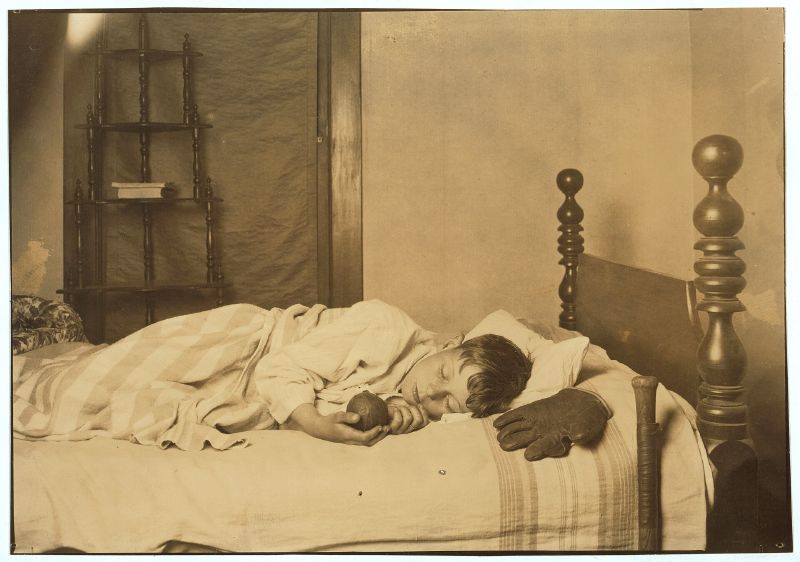
Sleep is not the body switching off. It is the body doing work it cannot do while you are awake. The US National Heart, Lung, and Blood Institute (NHLBI) says sleep supports healthy brain function and maintains physical health, and in children and teenagers it also supports growth. Too little of it, over time, raises the risk of long-term health problems.

more
The cost shows up in the day as well. The NHLBI says poor sleep can affect how well you think, react, work and learn, and how you get on with other people.
What happens to your heart overnight
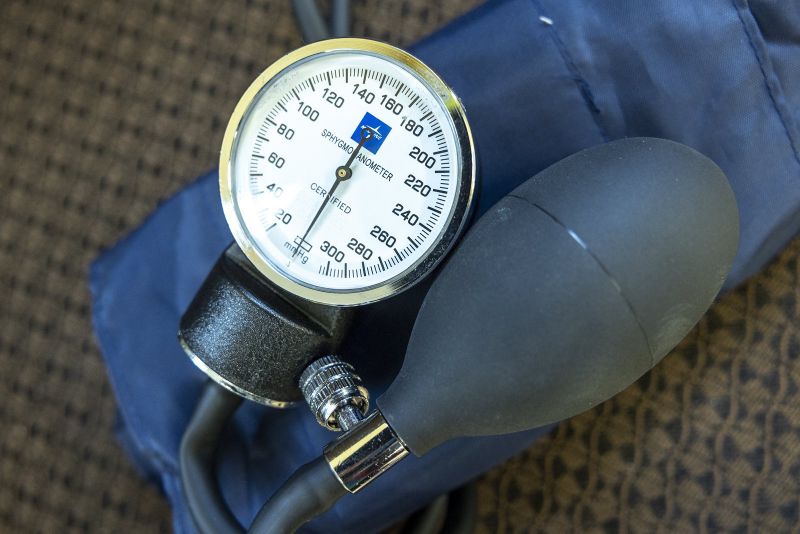
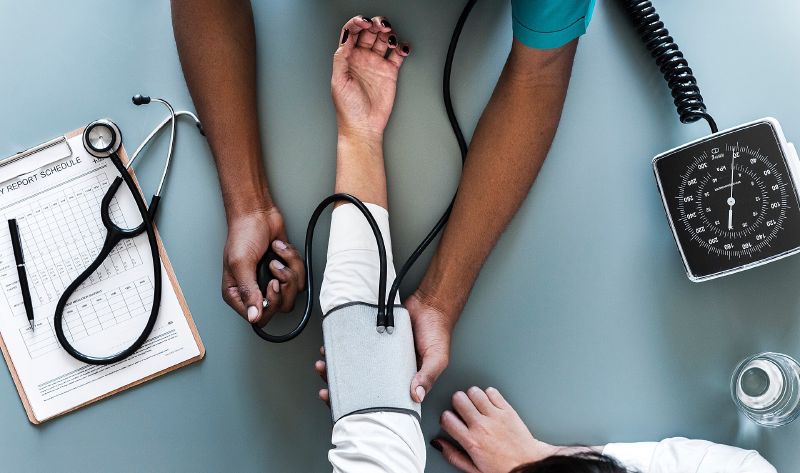
As you fall into non-REM sleep, your blood pressure and heart rate drop. The parasympathetic nervous system takes charge, and the heart works less hard than it does by day.
That changes during REM sleep and on waking. The sympathetic system switches on and lifts heart rate and blood pressure back to their relaxed daytime levels. The NHLBI notes that a sharp rise in both on waking has been linked to angina and heart attacks.
Why hunger rises after poor sleep
The body releases different hormones at different times of day. In the morning it releases cortisol, which helps you wake. In children, the hormones that trigger testosterone, oestrogen and progesterone come in pulses at night. Those pulses grow as puberty approaches.
Poor sleep upsets the hormones that govern appetite. The NHLBI cites studies linking too little good sleep to several changes:
- higher levels of leptin and ghrelin, the hormones that control hunger
- a weaker response to insulin
- eating more, especially fatty, sweet and salty food
The NHLBI says all of these contribute to overweight and obesity. Circadian clocks in the liver, fat and muscle also time how the body handles fat. Eating at unusual hours may change how it does so.
Breathing and infection
You breathe less often and less deeply during sleep, and take in less oxygen. That can make trouble for people with lung conditions such as asthma or COPD. For people with asthma, the worst symptoms tend to come in the early morning hours of sleep.
Parts of the immune system become more active at particular times of day. One type of immune cell works harder while you sleep. The NHLBI says that is why people short of sleep may catch more colds and other infections.
Memory and mood
Sleep helps you learn and helps form long-term memories. Without enough of it, or enough good-quality sleep, focusing on a task and thinking clearly get harder.
The mental health charity Mind makes the same link for young people. It says sleep helps us process emotions, thoughts and memories. The link runs both ways. Sleeping badly can leave you feeling worse, and struggling with how you feel, after trauma for example, can disturb your sleep.
Why you cannot force it
Nobody has to learn to sleep. Mind points out that we have slept since before we were born, and that almost all animals sleep without being taught. Some nights it still comes harder than others.
Trying to force sleep before you are ready can make things worse, Mind warns. A steady bedtime routine helps instead. It teaches the brain and body to get ready for sleep, so you drop off more easily and stay asleep longer.
How much is enough for a teenager
Mind gives a typical range for young people of 7 to 11 hours a night. Children aged 11 to 13 may sleep up to 12 hours. Young people often need more sleep than adults, partly because their bodies and brains are changing fast.
Hours are not the whole story. Mind lists other signs of sleep quality, including how regular your bedtime is and how often you wake in the night. It also counts how rested you feel on waking. During puberty, bright light in the evening can make it harder to fall asleep.
A few bad nights are normal, Mind says. If you regularly sleep less than 7 hours or more than 12, it suggests trying its sleep tips. If you sleep enough but still feel tired by day, it advises seeing a GP.