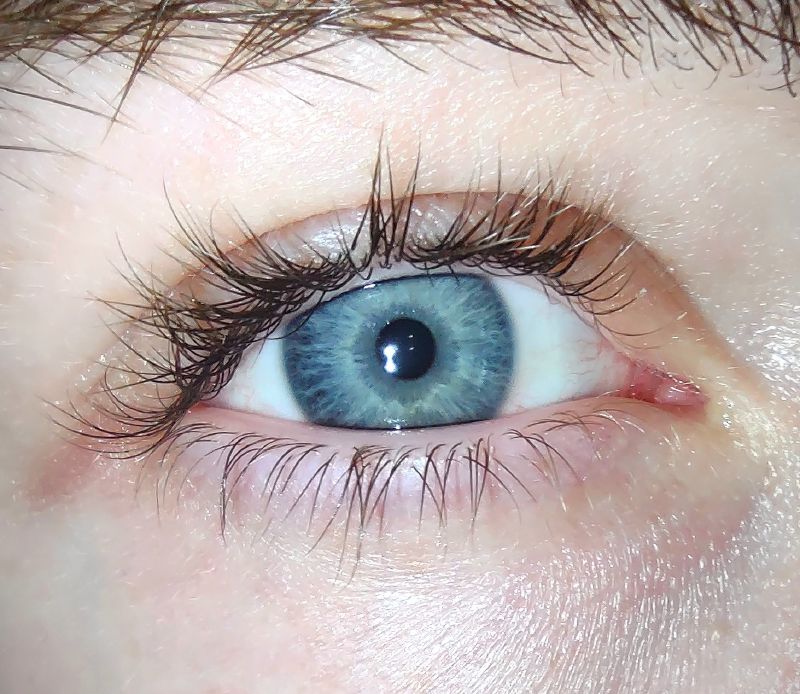
Your eye keeps twitching because a muscle in or near it is moving without your say. The Cleveland Clinic calls this a muscle spasm. It says the lid, the eye itself, or the face around it can be involved. Nearly everyone gets one now and then, and it is usually harmless.
The National Eye Institute, part of the US National Institutes of Health, says the same. Eyelid twitching usually fades without any help.
more
Four kinds of twitch
The Cleveland Clinic sorts eye twitches by where they strike and how they feel.
- Myokymia is the most common. It brings small, slow, steady flickers, mostly in the lower lid, and they rarely last.
- Fasciculations are a quick, small jerk in the lid or the muscles round the eye. They pass fast.
- Blepharospasm squeezes the lids hard enough to force a blink or shut the eye. It can hit one eye or both, for up to an hour.
- Hemifacial spasm starts in the lid and spreads across one side of the face.
What sets it off
Short sleep heads the Cleveland Clinic’s list of common causes. Caffeine and nicotine follow, along with side effects of medicines or recreational drugs. A sudden bright light can do it too, such as stepping from a dark room into sunshine. Fatigue, overexertion, and infections of the muscles or nerves round out the list. Often several of these act together.
The National Eye Institute names stress, dry eye, too much caffeine, and lack of sleep. It adds that twitching can come with Parkinson’s disease, Meige syndrome, or Tourette syndrome, and that some medicines cause it.
There is a twist. The Cleveland Clinic warns that reading about a twitch may make you feel one. Knowing a twitch is harmless can help you stop focusing on it. That in turn can make it happen less often.
The rare, lasting kind
Benign essential blepharospasm is the condition the National Eye Institute covers in depth, and it says the condition is rare. It starts with small, occasional twitches. Over time they can come more often and close the eyes fully, which makes reading or driving hard.
The institute says it happens when the part of the brain that controls the eyelid muscles stops working properly. It can run in families. Women aged 40 to 60 are more likely to develop it, though in most cases doctors do not know the cause.
There is no cure. An eye doctor can inject Botox into the lid muscles to stop the twitching, and most people need a fresh dose every 3 to 4 months. If injections fail, a surgery called myectomy removes some muscle or nerve tissue from the lids.
Does anything make it stop
Mostly, time. The Cleveland Clinic says most people need no treatment, because the common kinds clear up by themselves.
The National Eye Institute suggests managing stress and sleeping enough. It also suggests cutting down on coffee, tea, soda, and other caffeine. Where dry eye is behind it, drops or medicine to make more tears may help.
Where treatment is needed, the Cleveland Clinic lists medicines for an underlying condition or infection. It also names glasses or contacts, Botox to relax overactive muscles, and surgery.
When to see a doctor
The National Eye Institute gives three signs that call for an eye doctor:
- a twitch that persists beyond a few weeks
- lids that shut fully with each spasm
- twitching that spreads to the face, such as one cheek
The Cleveland Clinic adds constant, repeated twitching and twitches that affect your vision. See someone at once if your sight changes. If twitches start or grow after a new medicine, tell your provider, since it can be a side effect.