Conwy axe mould: why two halves count as treasure
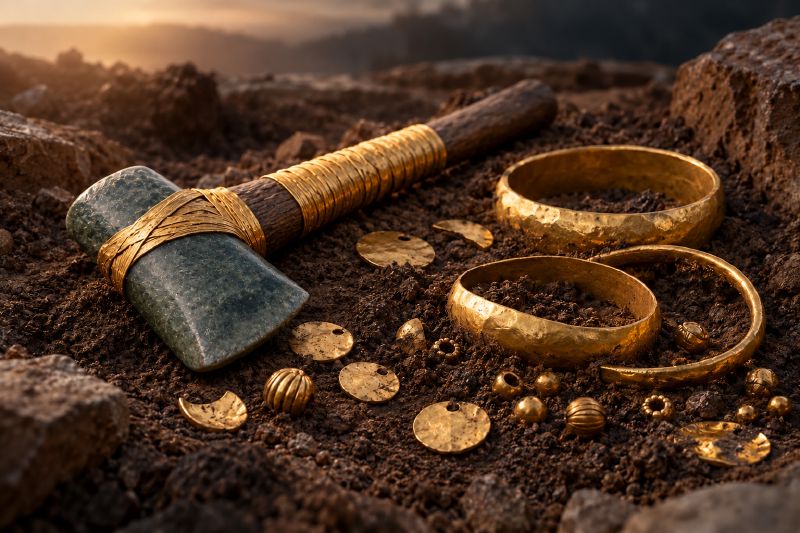
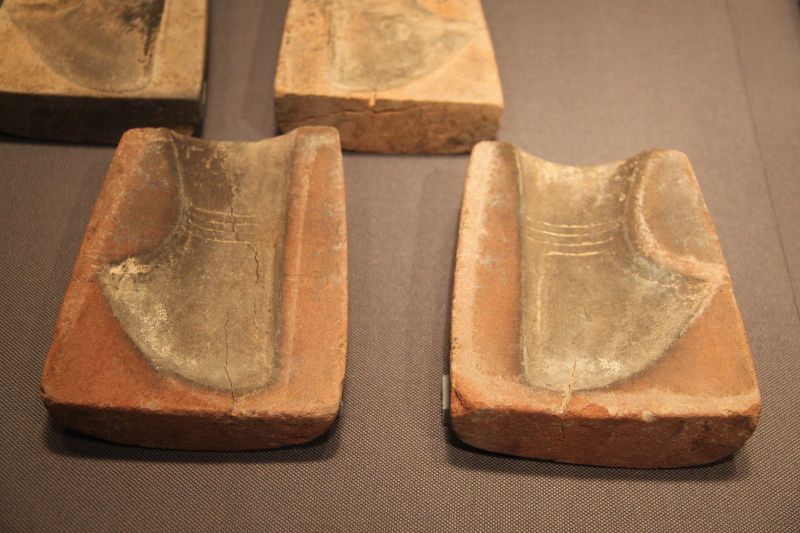
A coroner in Wales ruled that the two halves of a 3,400-year-old axe mould are separate items, so both count as treasure under the Treasure Act.
Objects, evidence and the careful work of making sense of the past.
Objects, evidence and the careful work of making sense of the past.
A coroner in Wales ruled that the two halves of a 3,400-year-old axe mould are separate items, so both count as treasure under the Treasure Act.
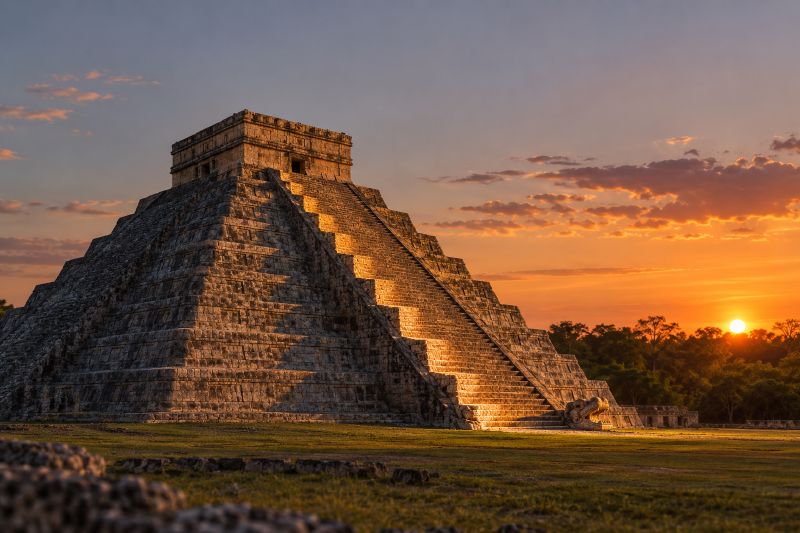
El Castillo at Chichén Itzá in Mexico has 91 steps on each side plus a top platform, making 365, one for each day of the solar year.
A cemetery near Varna in Bulgaria held 6,500-year-old gold in only a handful of graves, the earliest evidence that some people outranked others.
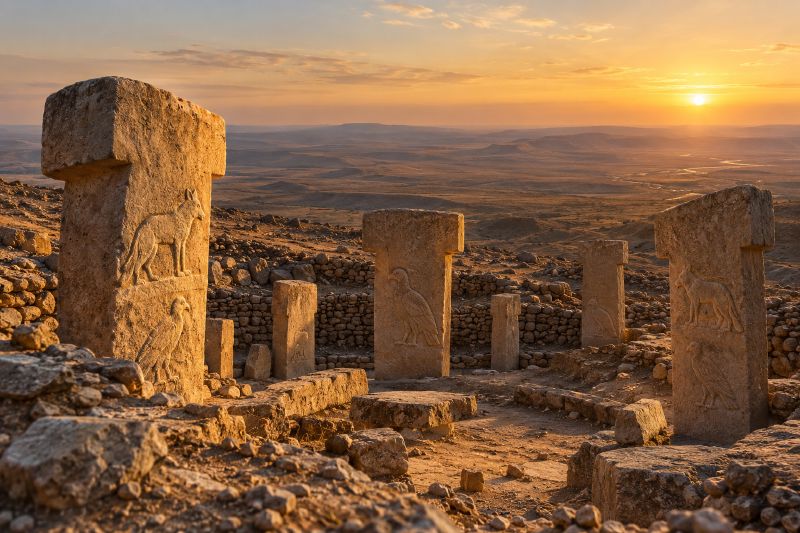
Klaus Schmidt argued hunter-gatherers built Göbekli Tepe before anyone farmed. Digs since his death in 2014 have found houses and signs of year-round living.
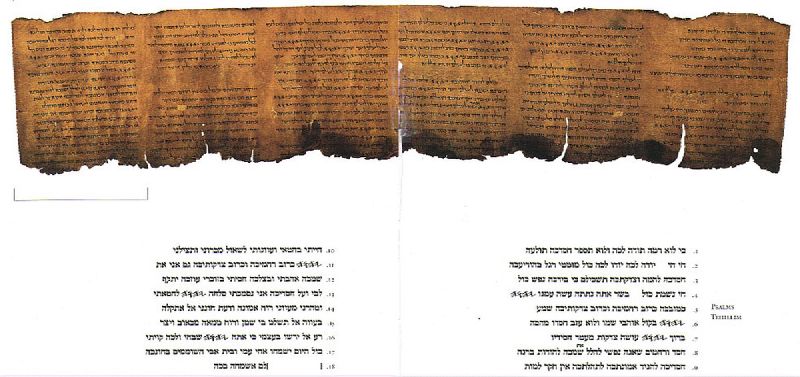
Searches of 11 caves yielded around 900 Dead Sea Scrolls, mostly fragments. Rebuilding is slow, and a neural network has told two scribes apart.
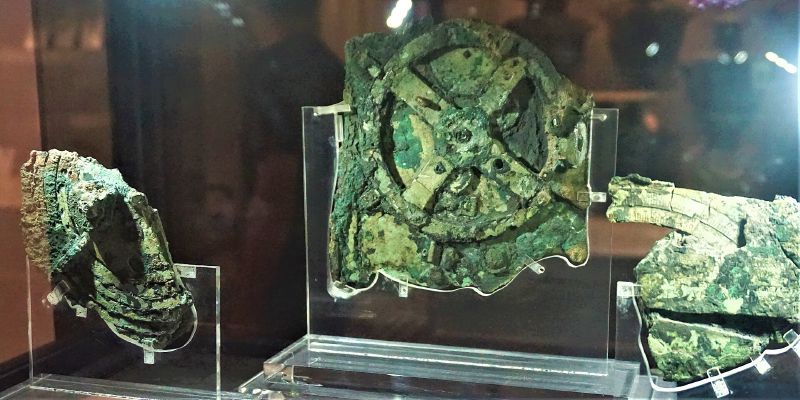
A 2021 model reconstructs the Antikythera mechanism's lost front gearing, but nobody has shown the ancient Greeks could have built it.
Carbon dating measures decaying carbon-14 against stable carbon-12 to work out how long ago an organism died, a method Willard Libby built in Chicago.
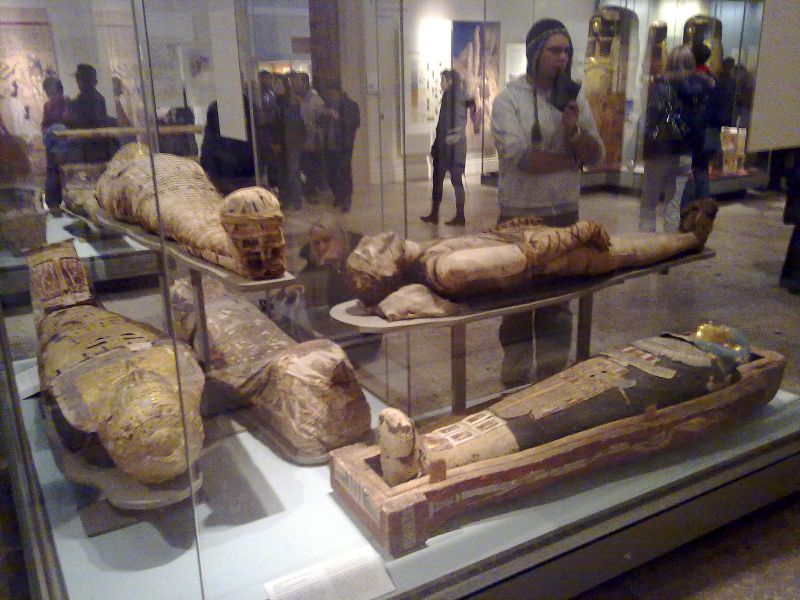
CT scanners let researchers see inside a wrapped mummy in cross-section, revealing bones, teeth, amulets and embalming tools without cutting the wrappings.
In 1960 George Bass, a Penn graduate student, led the first archaeologist-run dig of an ancient wreck. He later founded the Institute of Nautical Archaeology.
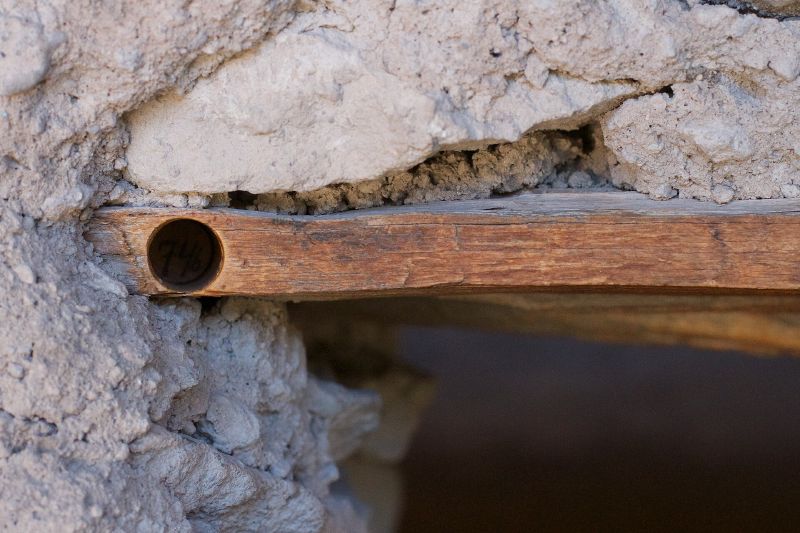
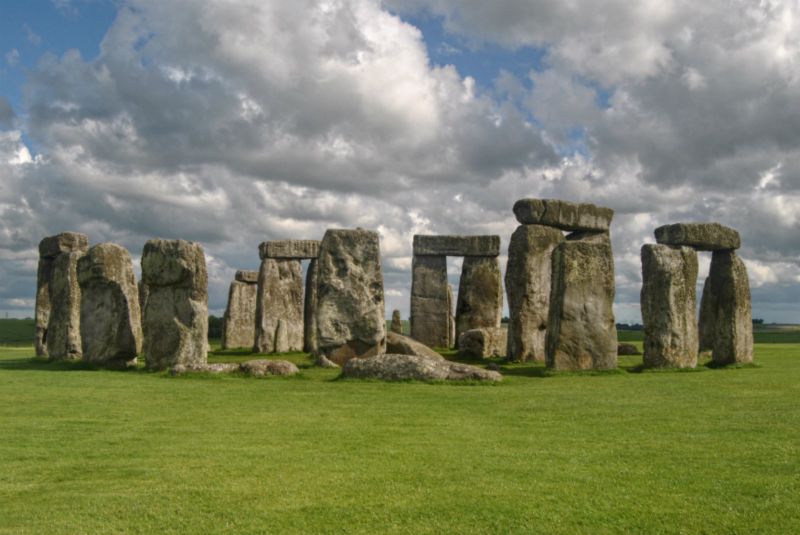
Two wooden posts near Stonehenge may be the earliest solar sightline there. Later Neolithic tombs and stones caught the solstice sun too.
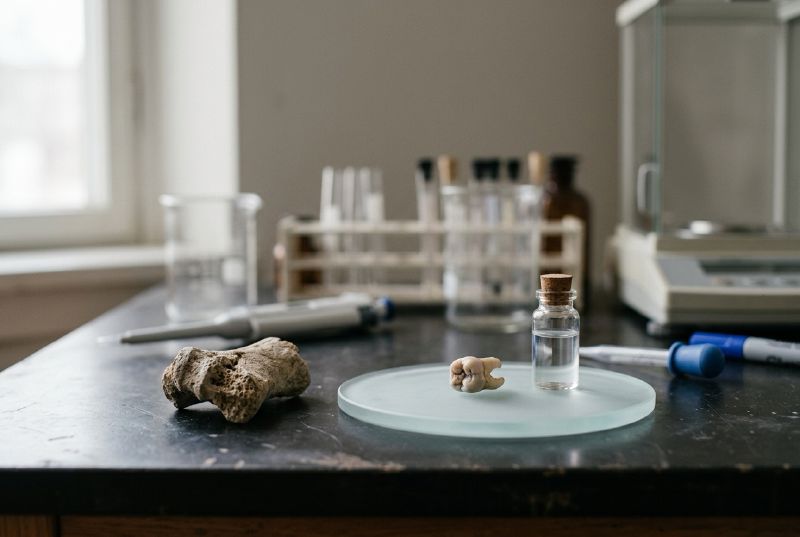
Strontium locked into tooth enamel records the rocks under a person's childhood home. Archaeologists compare it with bone to track ancient migrants.