The Empire State Building: New York's 13-month race to the sky
Crews raised the Empire State's steel 1,048 feet in 23 weeks as Lewis Hine took pictures. The tower later survived a bomber and lost the height record.
Buildings, public spaces and the experience of moving through them.
Buildings, public spaces and the experience of moving through them.
Crews raised the Empire State's steel 1,048 feet in 23 weeks as Lewis Hine took pictures. The tower later survived a bomber and lost the height record.
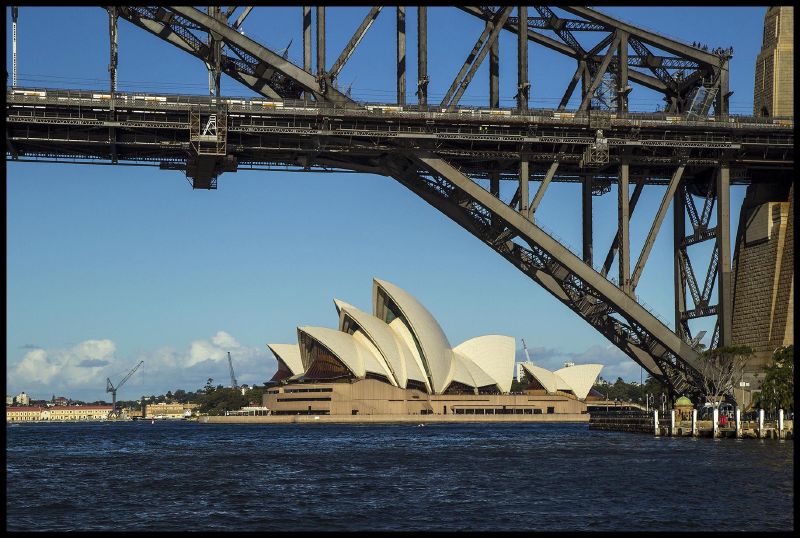
Nobody knew how to build Jørn Utzon's roof when work began. Costs soared, a new works minister stopped paying him, and he resigned in 1966.
Sunlight through glass is usually a home's main summer heat source, says the Passivhaus Trust. Some architects now answer with heavy walls and deep windows.
At Maasbommel in the Netherlands, amphibious houses sit on hollow concrete boxes that float up guide posts when the River Maas rises, by up to four metres.
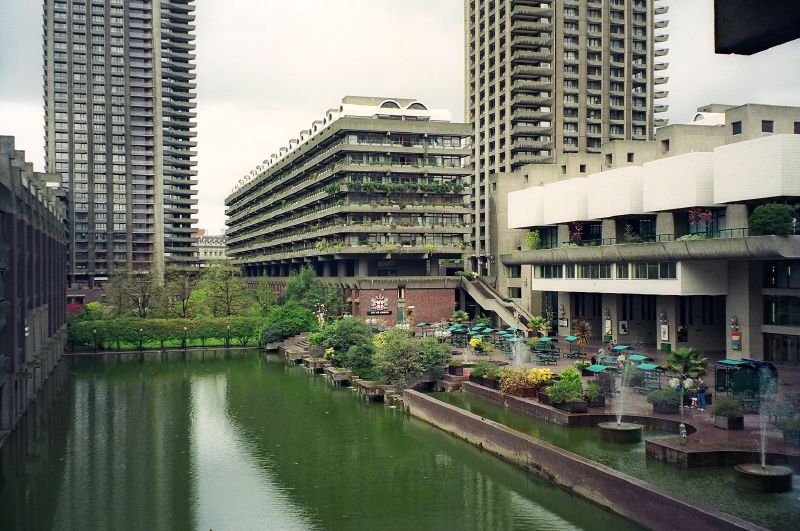
The City of London Corporation approved two new towers on Fenchurch Street, joining a pipeline of new skyscrapers due by 2030.
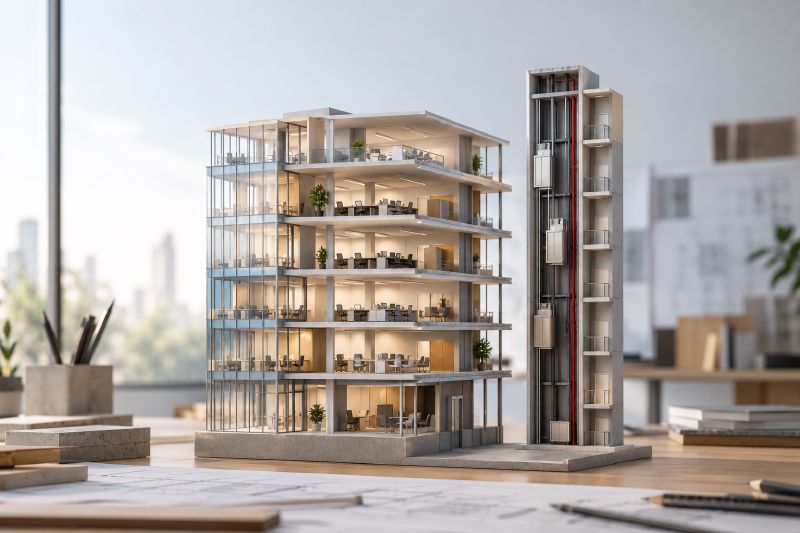
A skyscraper's core holds its lifts and mechanical services. Two towers in Beijing and Shenzhen split it or set it apart from the offices.
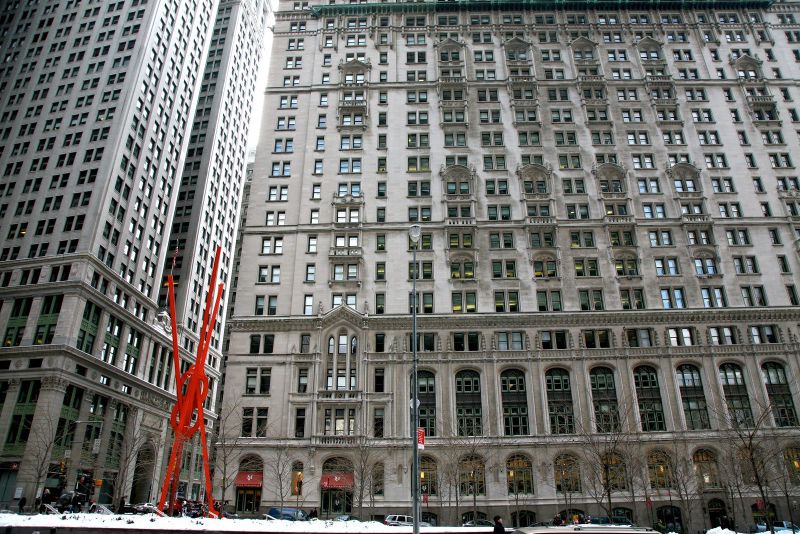
Since 1961, New York has let developers add floor space in return for plazas open to all, but a 2000 study found 41% of them had no real public use.
So many office conversions entered the AJ Retrofit & Reuse Awards 2026 that the category split in two. The V&A East Storehouse leads the mixed-use list.
Passive house caps air leakage at 0.6 changes an hour, tested by fan. It costs 5 to 10% more to build. A Los Angeles house on its lines outlasted a wildfire.
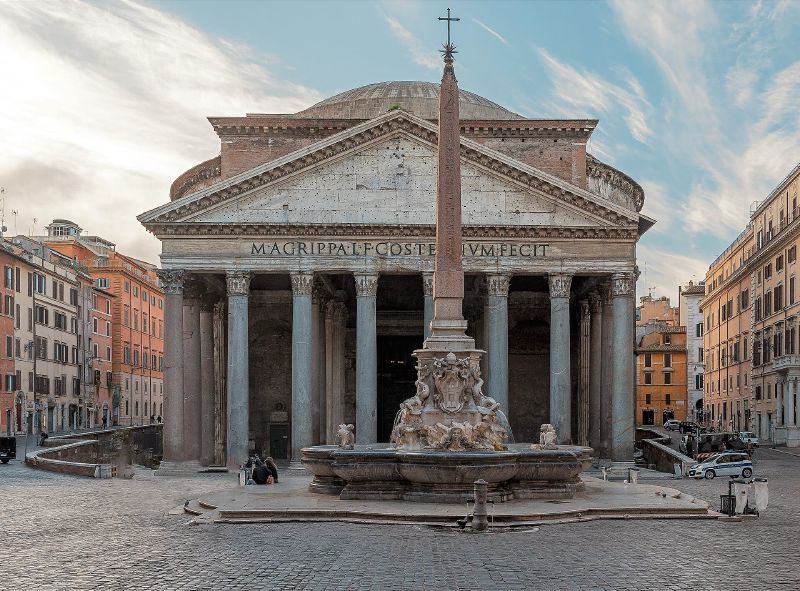
Rome's Pantheon has stood almost 1,900 years with no rebar, largely left alone. Graded concrete, a hollow crown and a self-sealing mix explain why.
The Home Insurance Building carried its floors on a steel and iron skeleton, not its walls. That idea let Chicago build past five storeys.
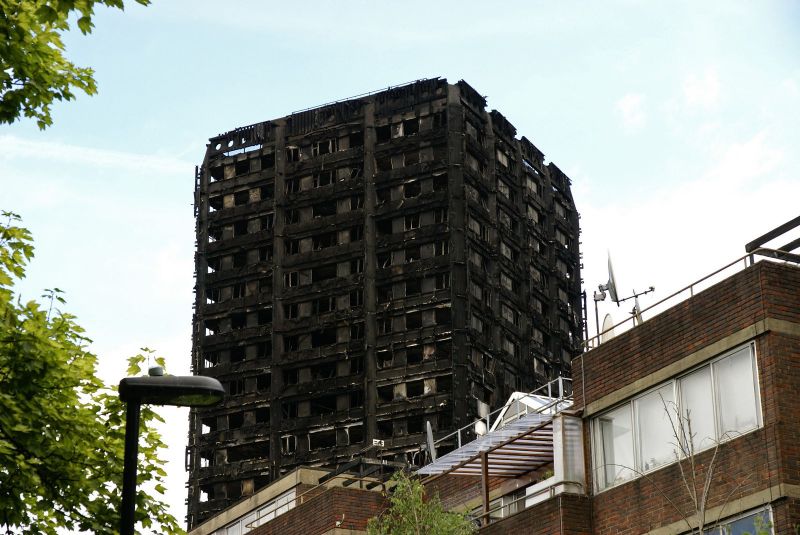
The Grenfell Tower fire exposed a cladding product that failed fire tests for 12 years. The Building Safety Act followed in 2022.
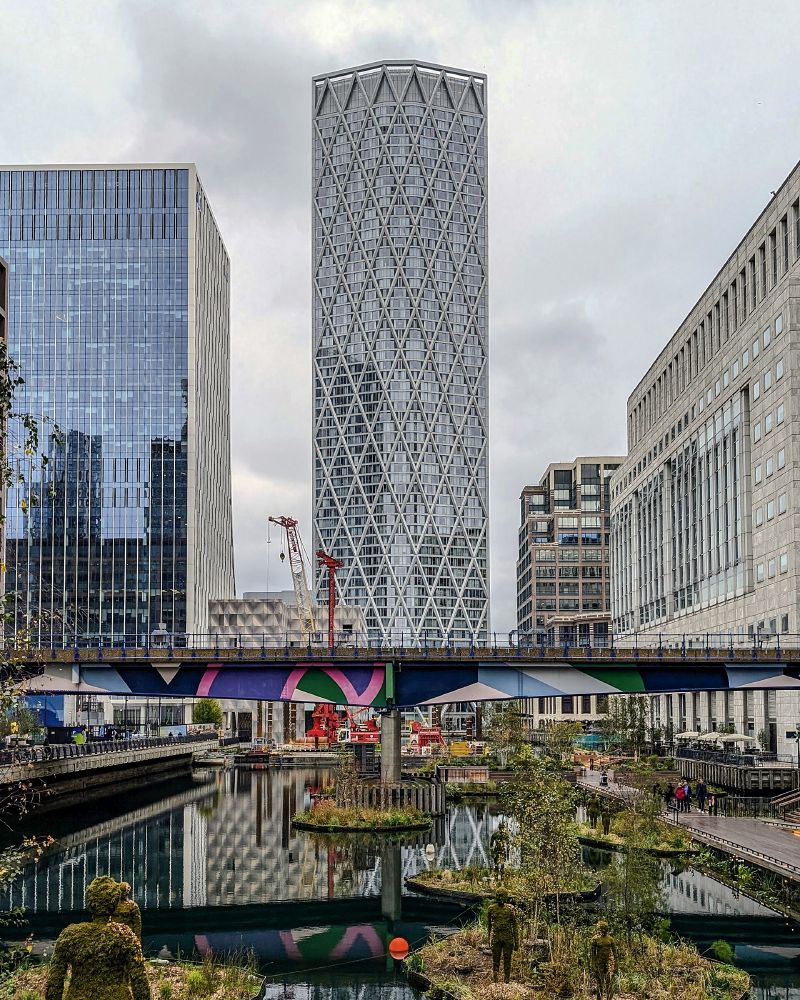
A diagrid carries a tower's load on diagonals on its skin. In London it let Newfoundland stand light over an Underground tunnel, and 30 per cent taller.
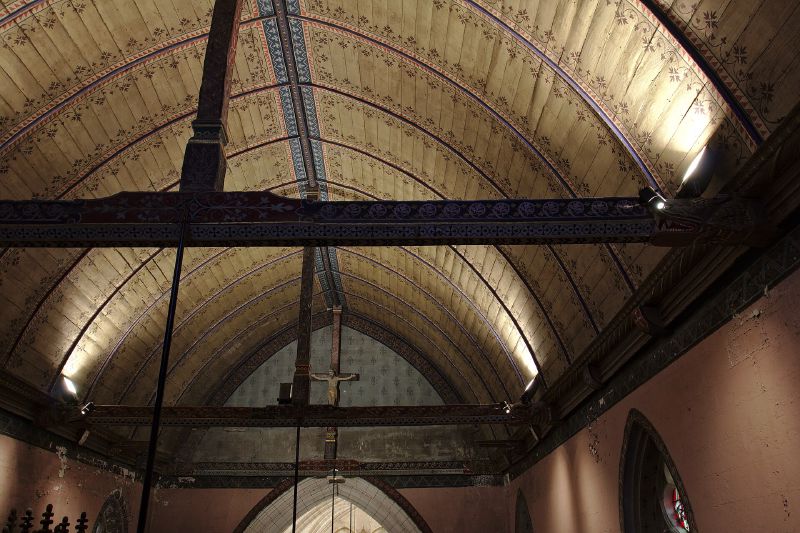
Builders used it from about 4000 BC. A barrel vault keeps its brick or stone in compression, but its base shoves sideways, so abutments must resist.