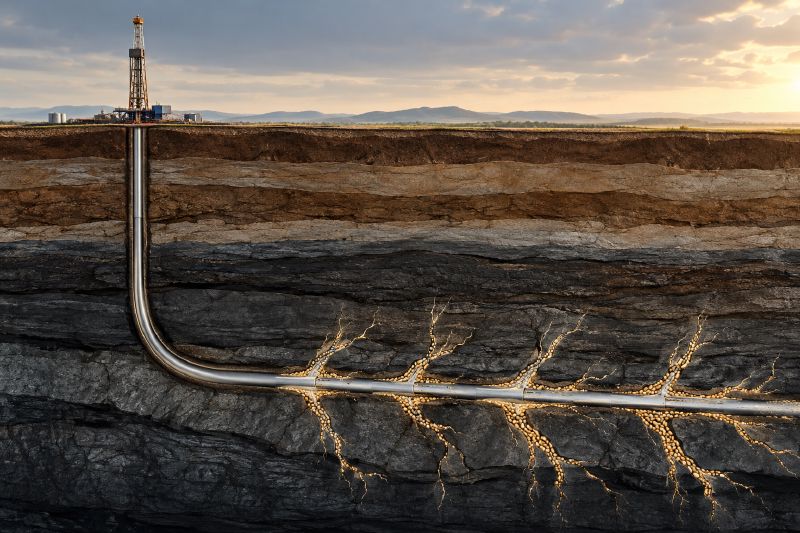
What happens underground when a well is fracked
Fracking pumps water, sand and chemicals into tight rock until it splits, then lets the sand prop the cracks open so oil and gas can flow back up the well.
Power, infrastructure and the choices involved in keeping things running.
Power, infrastructure and the choices involved in keeping things running.
Fracking pumps water, sand and chemicals into tight rock until it splits, then lets the sand prop the cracks open so oil and gas can flow back up the well.
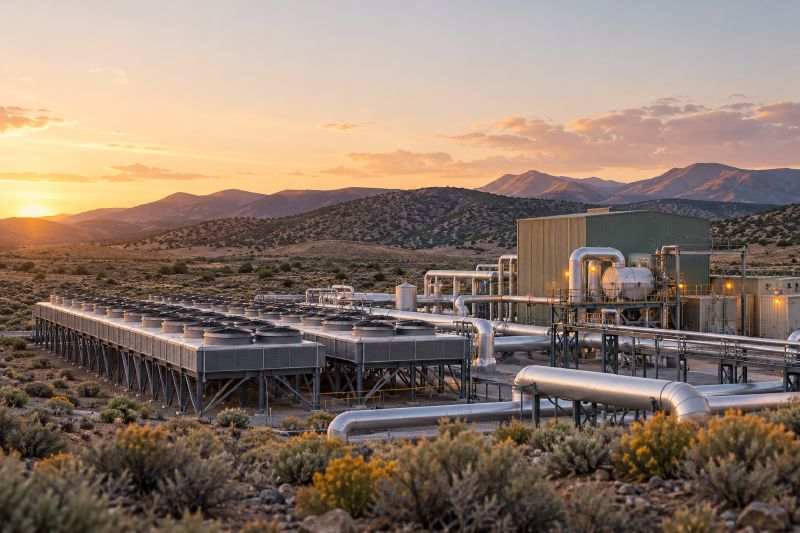
A binary-cycle geothermal plant hands hot water's heat to a fluid with a low boiling point. Its vapour spins the turbine, so cooler reservoirs make power.
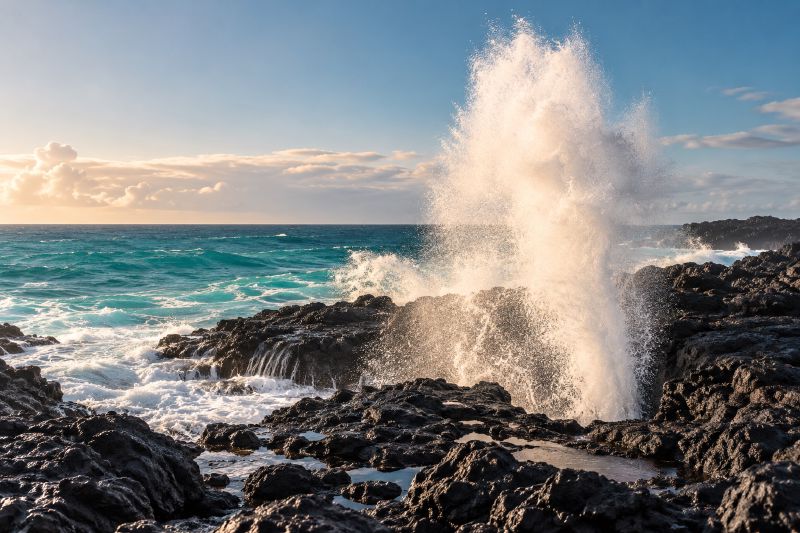
An oscillating water column uses rising and falling waves to pump air through a turbine. A University of Hawaii design copies a blowhole on Oahu.
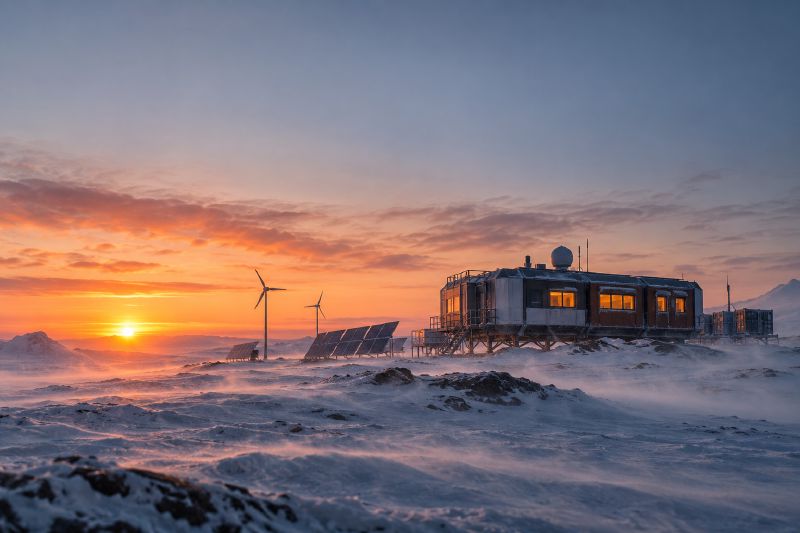
Antarctic bases fall back on diesel in winter. Belgium's small Princess Elisabeth station runs on wind and sun, and a 9-kilowatt turbine ran Halley unstaffed.
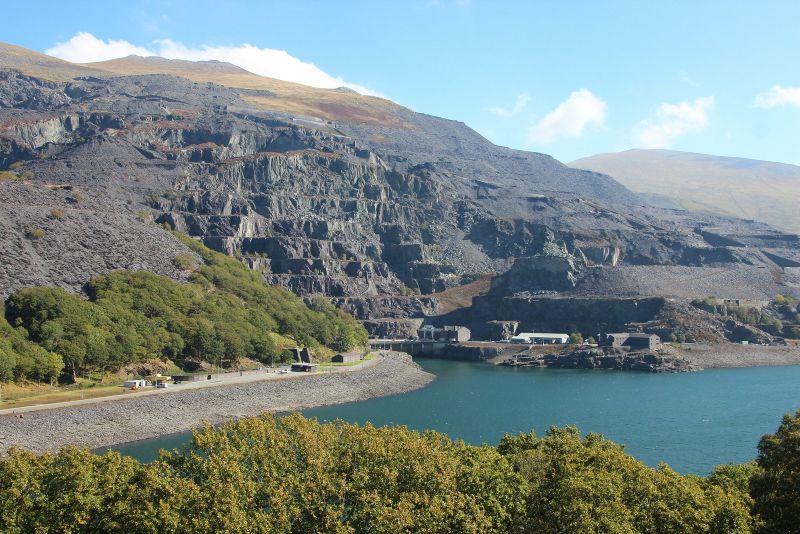
A pumped-hydro plant stores energy as water lifted to a high reservoir, then lets it fall through turbines to give the power back when demand peaks.
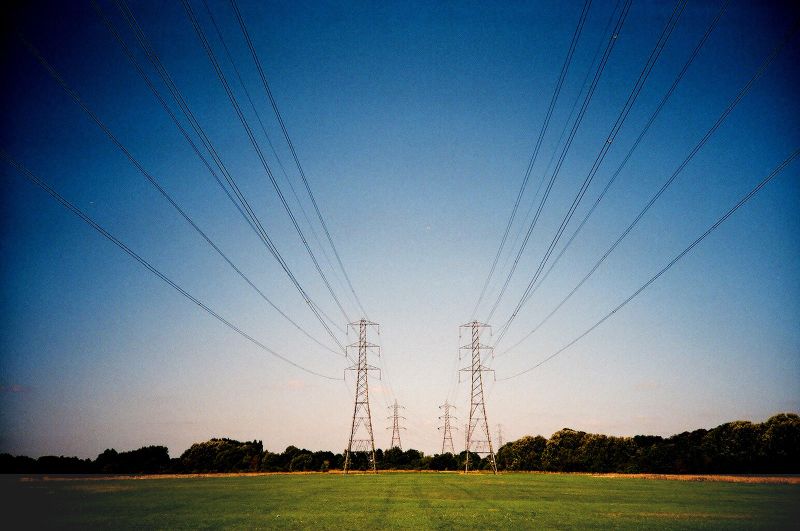
Every generator on a grid must stay locked to one frequency. That is why one lost line can drag others down, as 33 lines did in the 2006 European blackout.
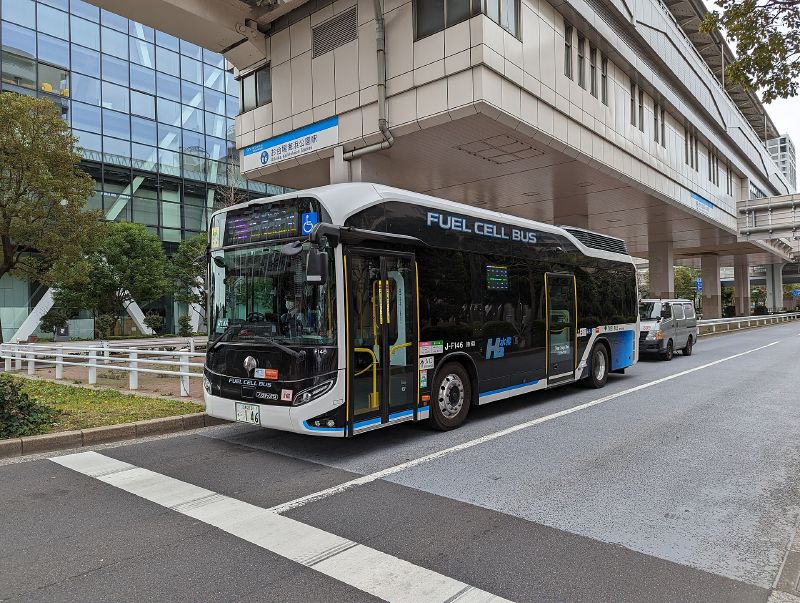
A fuel cell splits hydrogen into protons and electrons, sends the electrons round a circuit and makes water. It can beat a petrol engine on efficiency.
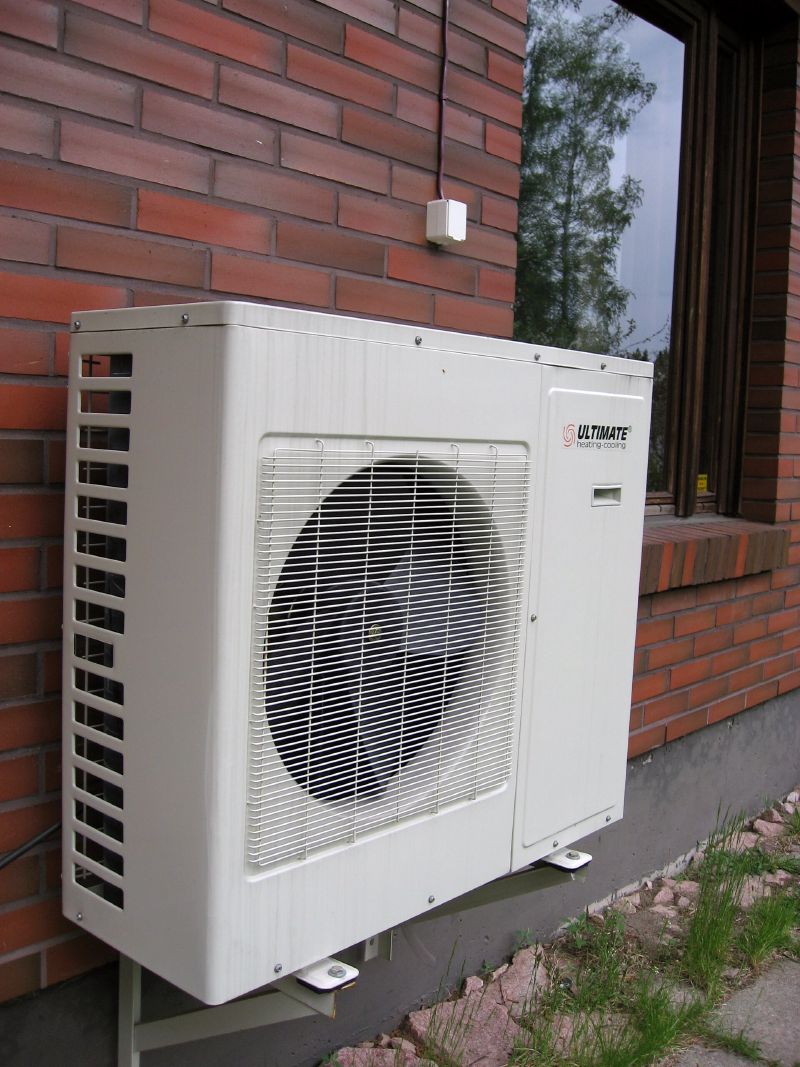
A heat pump carries heat from outdoor air into a home rather than burning fuel. That lets it run far below freezing, and run backwards to cool a room.
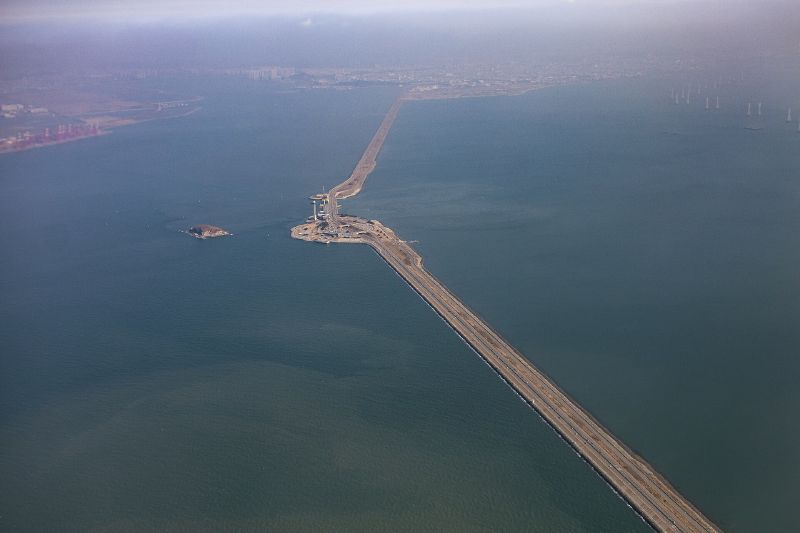
A tidal lagoon walls off part of the sea, then lets the height difference between the tide and the lagoon push water through turbines twice a tide.
A breeder reactor turns leftover uranium into plutonium fuel. The US Department of Energy says recycling it could need 100 times less uranium.
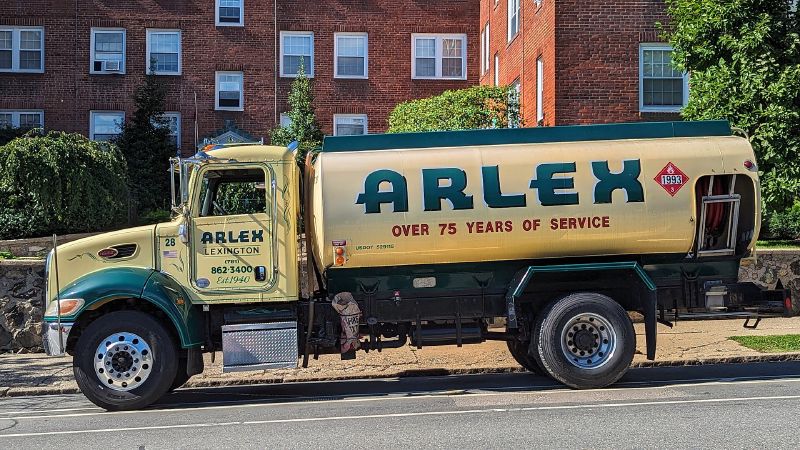
A week of renewed US-Iran fighting added about €200 to a full Irish heating-oil delivery in July 2026, reversing months of falling prices.