China's Gang of Four were called to a meeting and arrested
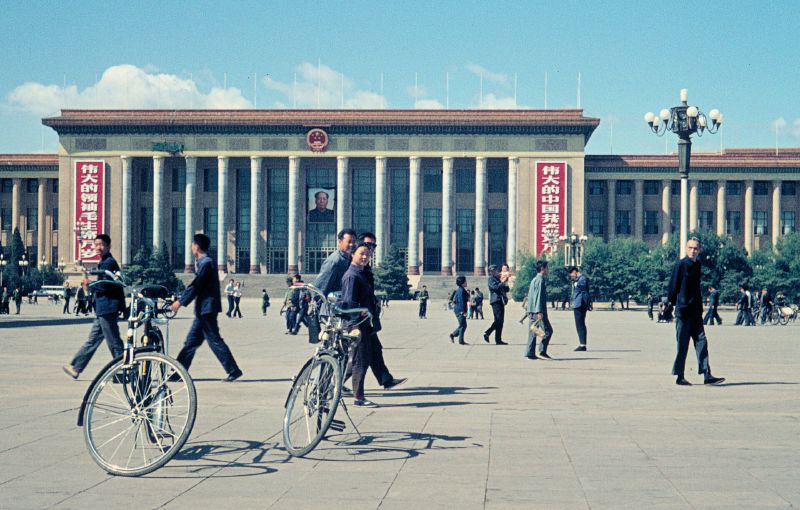
On 6 October 1976, a month after Mao died, Hua Guofeng had Jiang Qing and three allies seized one by one. Their fall ended China's Cultural Revolution.
Past lives, surviving traces and the stories we choose to remember.
Past lives, surviving traces and the stories we choose to remember.
On 6 October 1976, a month after Mao died, Hua Guofeng had Jiang Qing and three allies seized one by one. Their fall ended China's Cultural Revolution.
A 1908 duty on councils and a 1925 Act gave Britain's allotments legal cover. Here is how that cover held as plots fell from 1.4 million to 300,000.
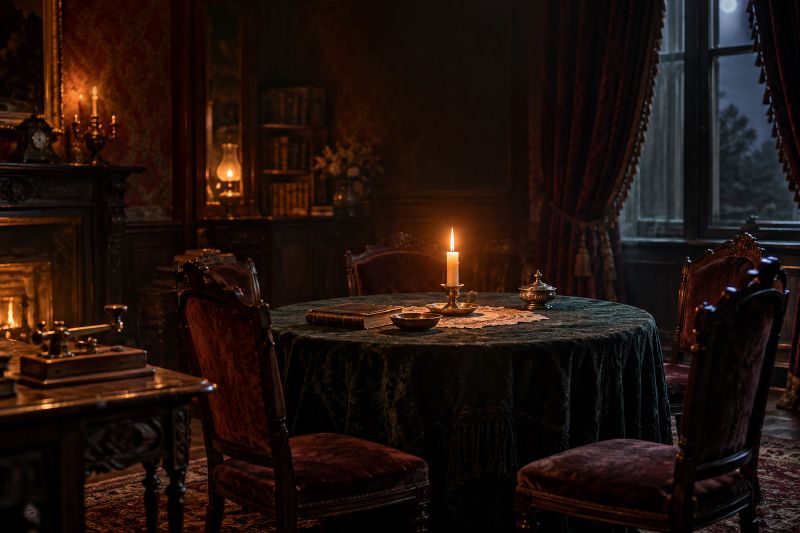
Two girls in New York State claimed in 1848 to talk to a ghost. Science, and a new wire technology, helped the craze take root in Britain.
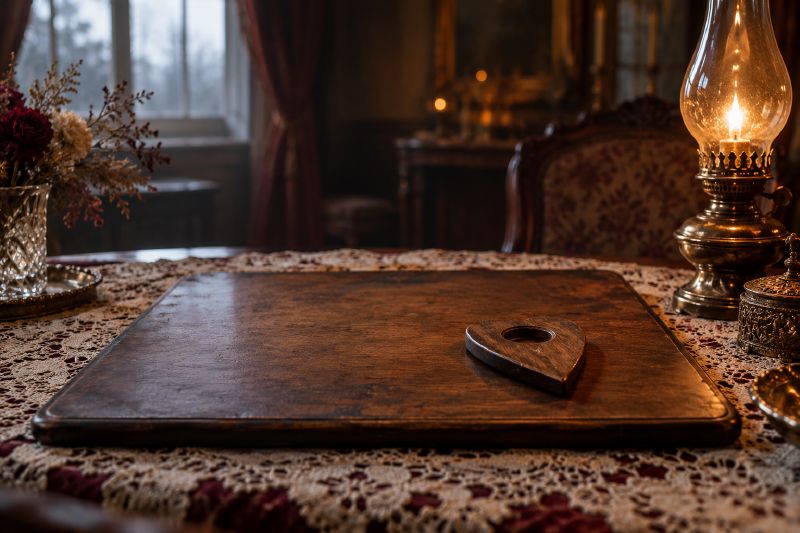
Baltimore's Kennard Novelty Company sold Ouija in 1890 to cash in on Spiritualism. The Exorcist, in 1973, turned a date-night toy into a feared object.
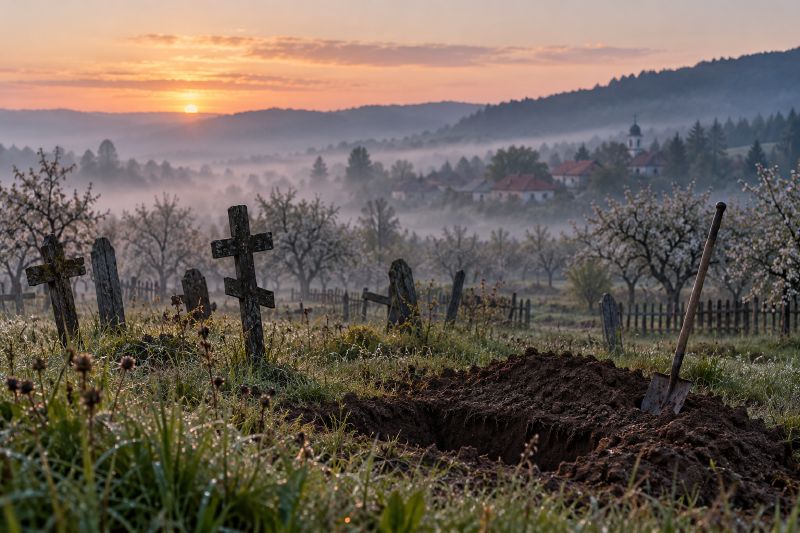
An Austrian official's report on a staked corpse in Kisiljevo put 'vampyri' into print. Overcrowded graves and village terror did the rest.
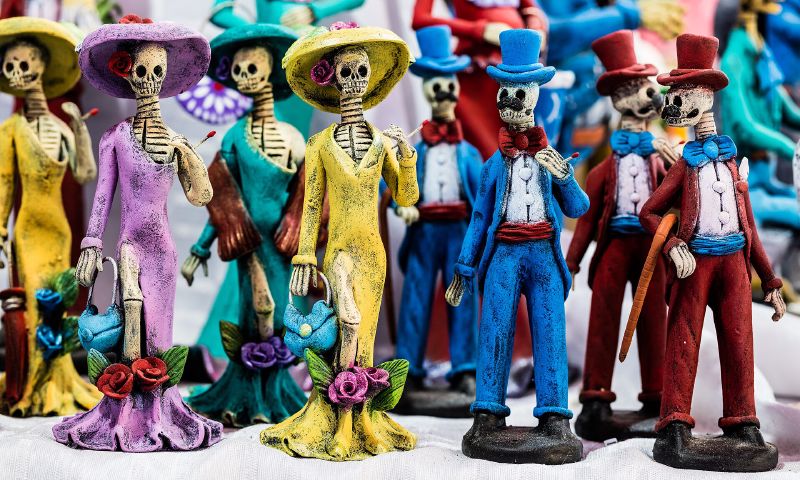
A 1792 Mexican novel and its engraver, Francisco Agüera Bustamante, laid groundwork that Posada's satirical prints later made famous.
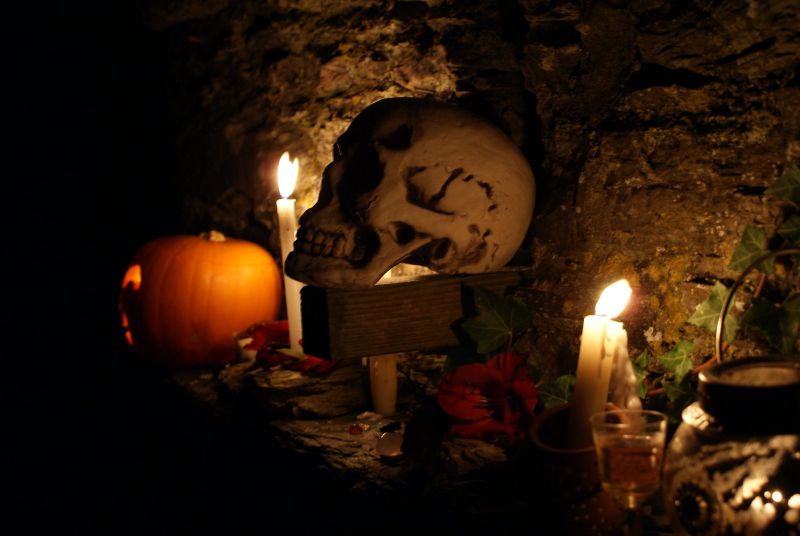
Samhain marked summer's end in Celtic Ireland, and Church feasts on 1 and 2 November gave it the name Halloween. Here is what the sources can show.
A refused request for pins led to the 1612 Pendle witch trials in England. The Guardian says a nine-year-old's evidence helped send ten people to the gallows.
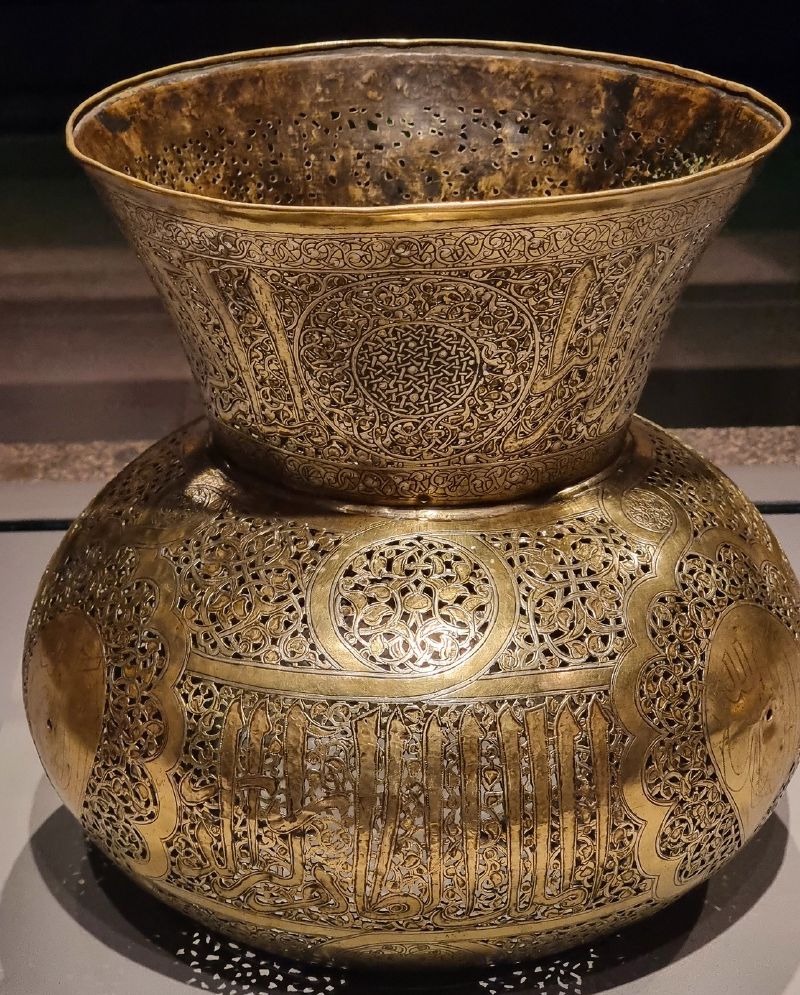
Egypt's Mamluk sultans ruled from 1250 to 1517 after being bought as boys, freed and trained as cavalry. Having no family ties bound them to their masters.
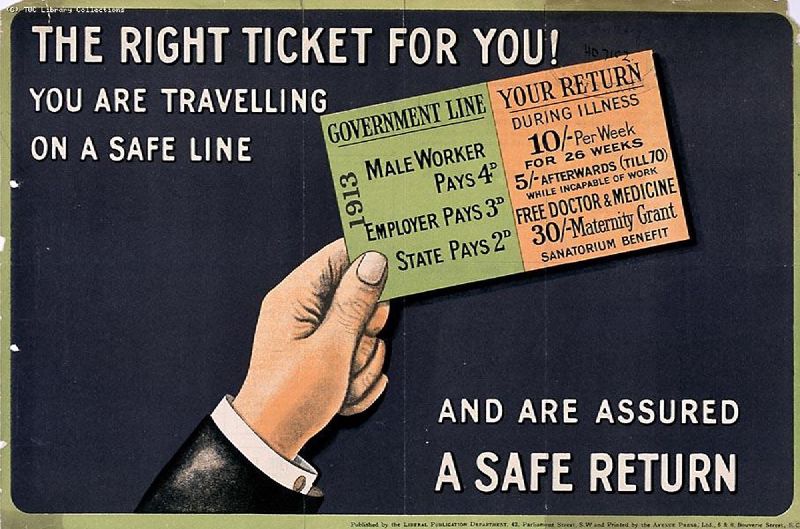
The National Insurance Act 1911 took a weekly levy from British wage-earners, employers and the state to fund sick pay and free doctor visits.
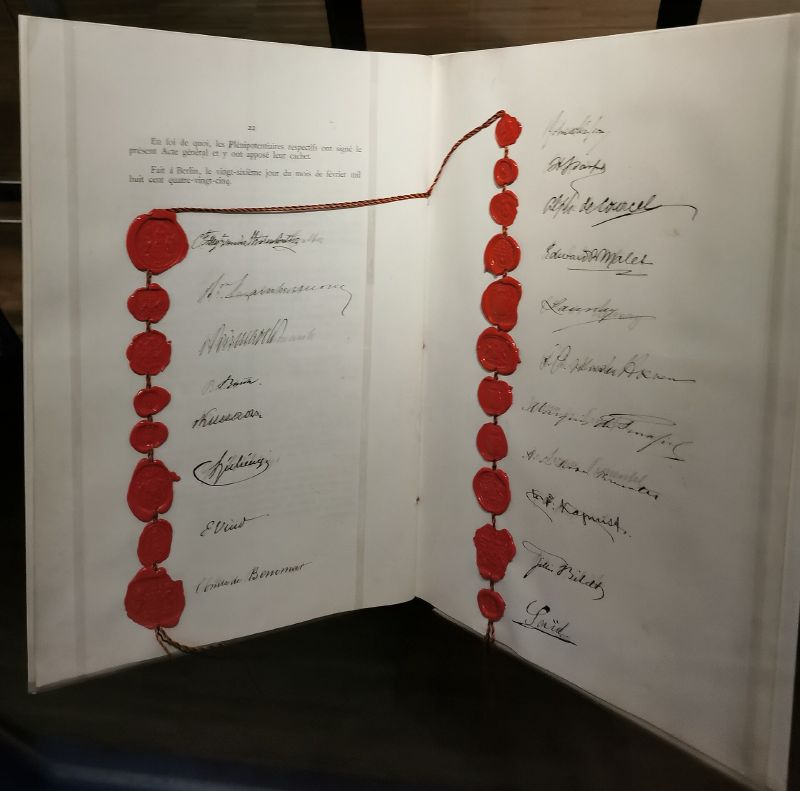
At the 1884-85 Berlin Conference, European diplomats set the terms of colonisation with no African present, then settled many borders in later deals.
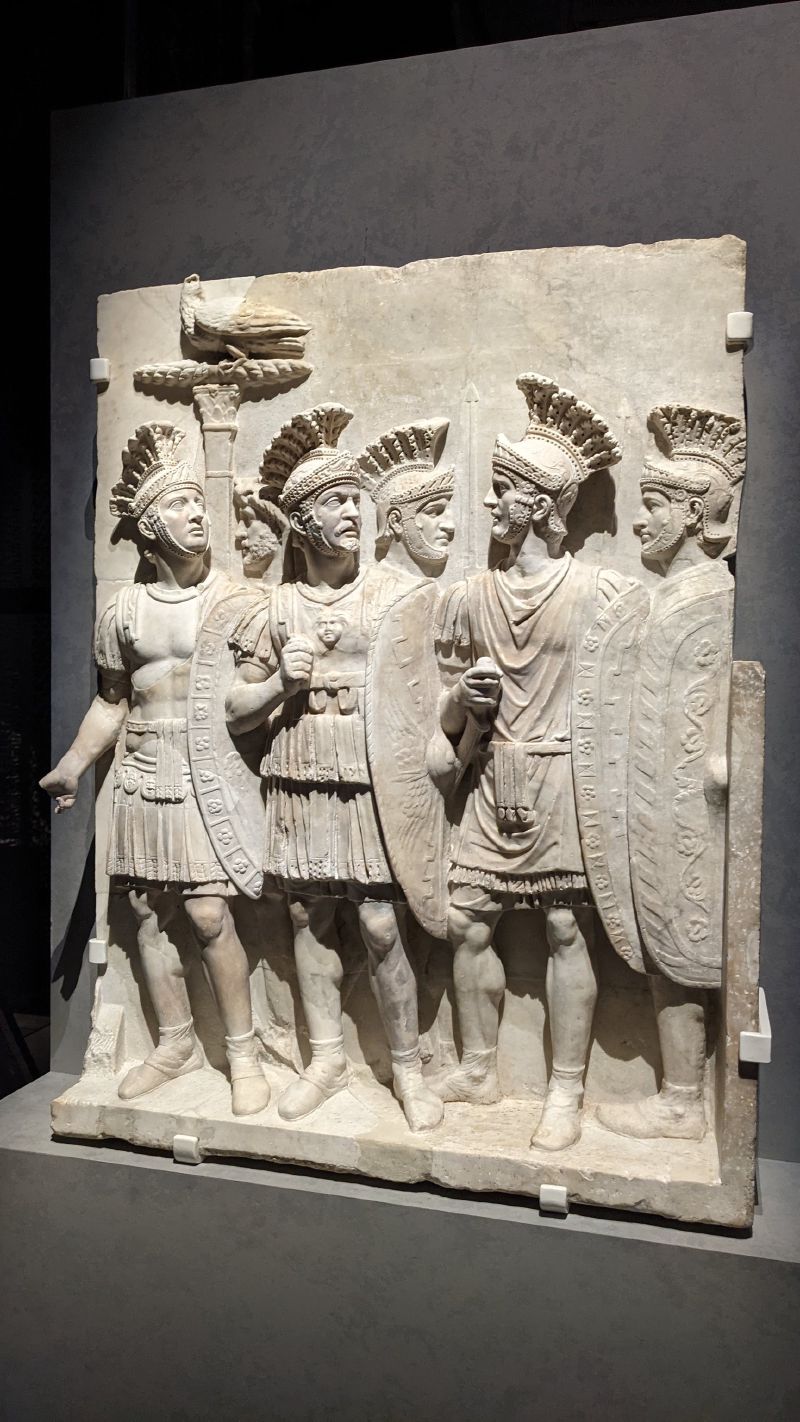
Guards stabbed Caligula, and the Guard eliminated Pertinax. In 193 AD Septimius Severus disbanded it and rebuilt it with his own men.
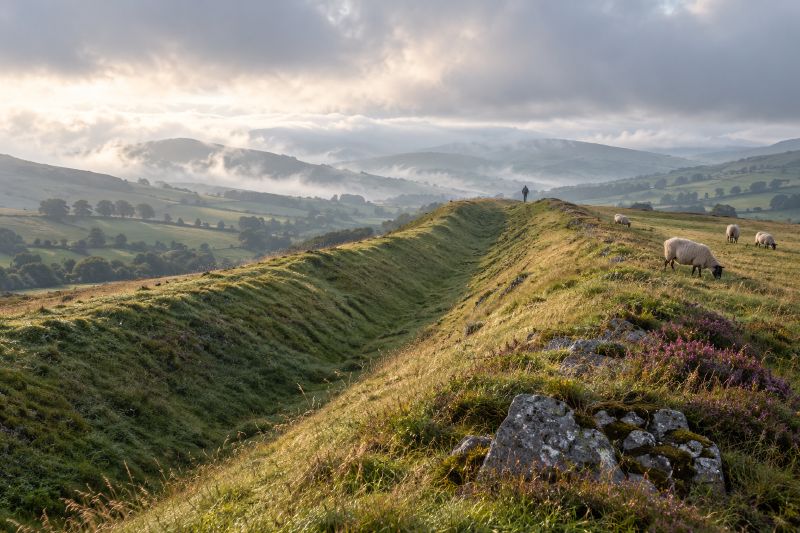
A Mercian king raised an 80-mile bank and ditch after Welsh raids. The border still crosses it, and a 2022 survey found only 8.7% in good condition.
The Local Government Act 1972 abolished England's old councils and named new areas counties. Yorkshire and Cumberland live on as historic counties.
The Berlin Wall fell on 9 November 1989. The BBC and National Geographic trace how a botched press briefing turned months of protest into an open border.
The European Coal and Steel Community put French and German heavy industry under one authority in 1952. Its commission, court and assembly became the EU's.
Eritrea's 30-year war with Ethiopia ended when rebel fighters marched into Asmara on 24 May 1991. A UN-supervised referendum in 1993 made independence formal.
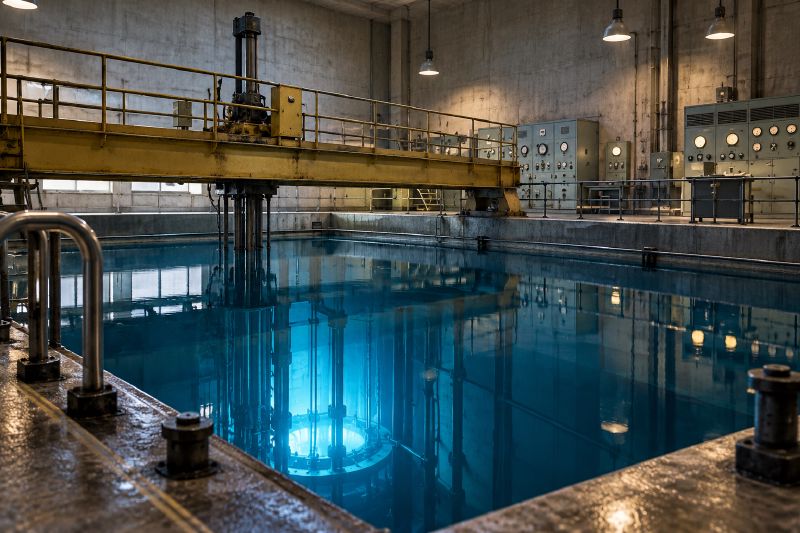
Eisenhower's 1953 Atoms for Peace speech called for an international atomic agency, set up in 1957. His reactor-sharing programme also gave Iran its start.
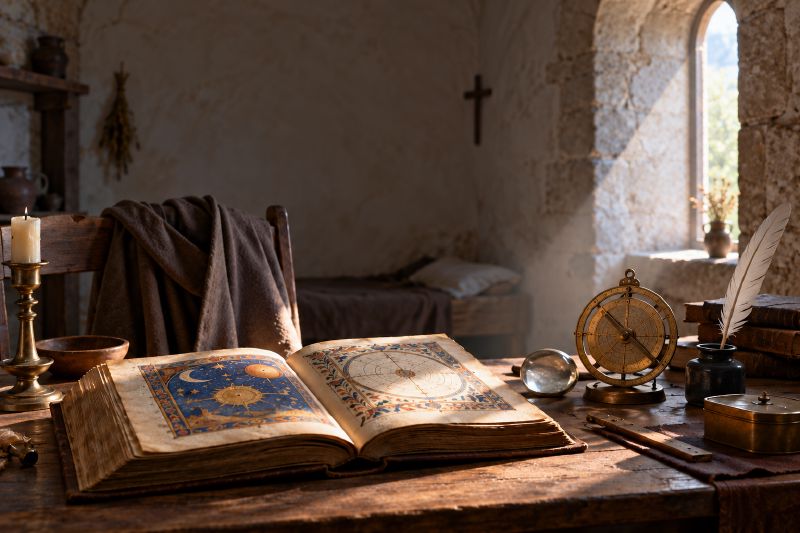
In 1266 Pope Clement IV asked a confined Franciscan friar for his writings. Roger Bacon had none, so he spent a year writing the Opus Majus.
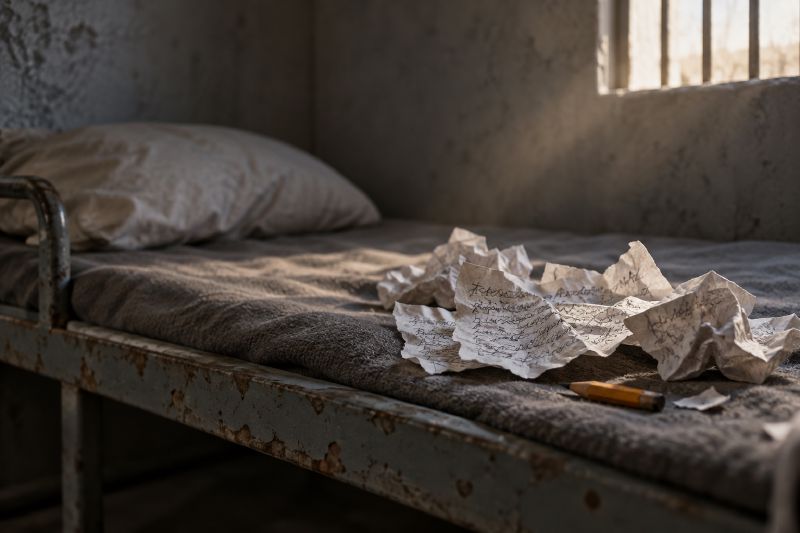
In 1963, jailed in Birmingham, Martin Luther King answered eight white clergymen who had called his protests unwise and untimely.
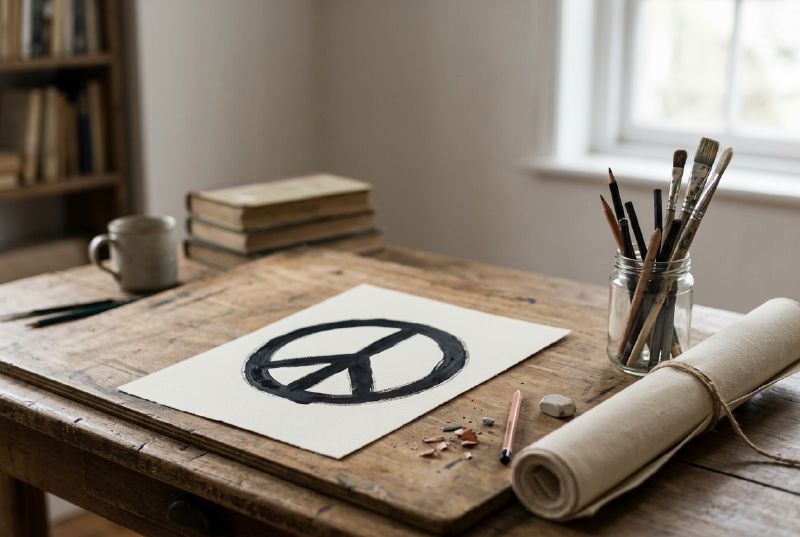
Gerald Holtom drew the peace symbol in 1958 for a nuclear disarmament march from London to Aldermaston, and it later spread across the world.
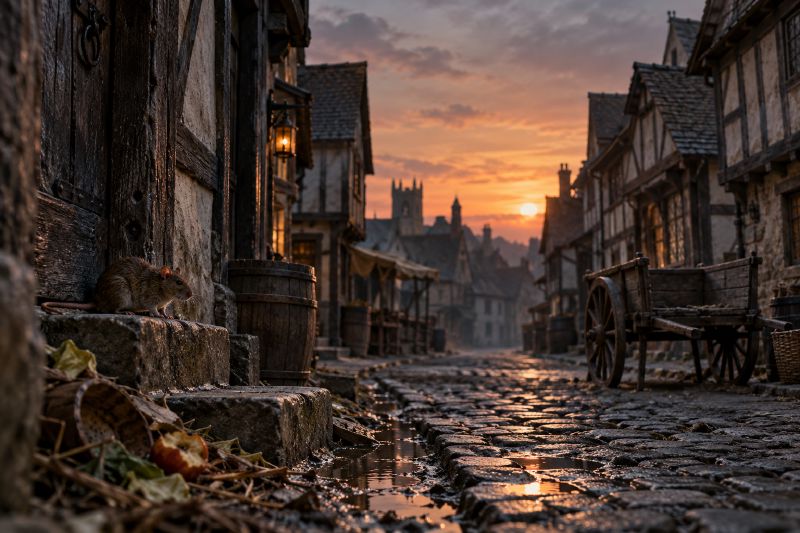
BBC Bitesize and National Geographic explain how a bacterium on rat fleas killed a third to half of Europe. Doctors blamed the four humours and bad air.
France called Algeria an integral part of the nation and fought from 1954 to keep it. The FLN won in 1962 by diplomacy, once de Gaulle negotiated peace.
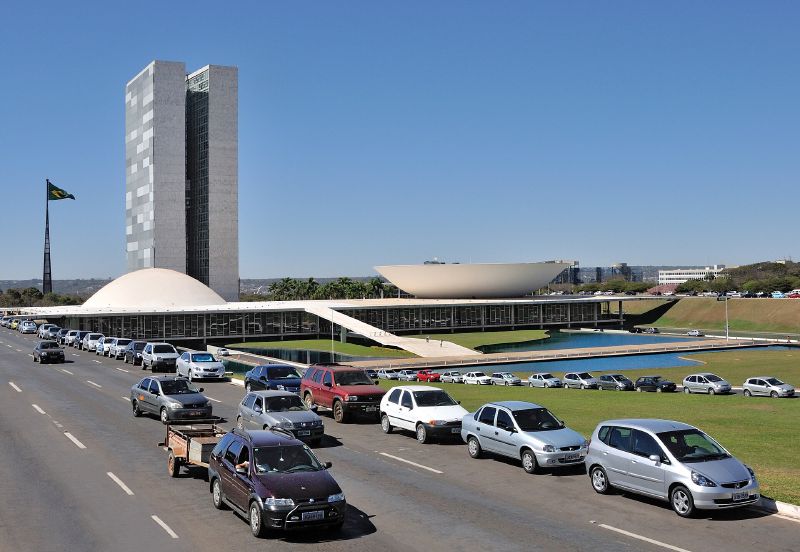
A capital promised by Brazil's new republic in 1889 waited 67 years. Then Kubitschek, Costa, Niemeyer and 30,000 workers built Brasília in three.