One ambassador's speech, and 200 miles of ocean for every coast
A 1967 UN speech about seabed minerals began the process behind the 1982 Law of the Sea treaty, which gave coastal states a 200-mile economic zone.
Rules. Rights. Remedies.
Statutes, disputes and the reasoning courts use to settle them.
A 1967 UN speech about seabed minerals began the process behind the 1982 Law of the Sea treaty, which gave coastal states a 200-mile economic zone.
Interpol runs no manhunts of its own. It links police across 196 countries, and the Guardian found some regimes using that channel against critics.
The 1961 Vienna Convention wrote down 200 years of custom, upheld by reciprocity. Its immunity rule saw PC Yvonne Fletcher's killers expelled, not tried.
Under the Building Act 1984, a council must serve notice before it makes a dangerous building safe. In Boston, a fire-hit wall stood unsupported meanwhile.
Law firms want up to £4.5bn from Britain's biggest housebuilders, on behalf of 700,000 buyers, over alleged collusion on new-build prices.
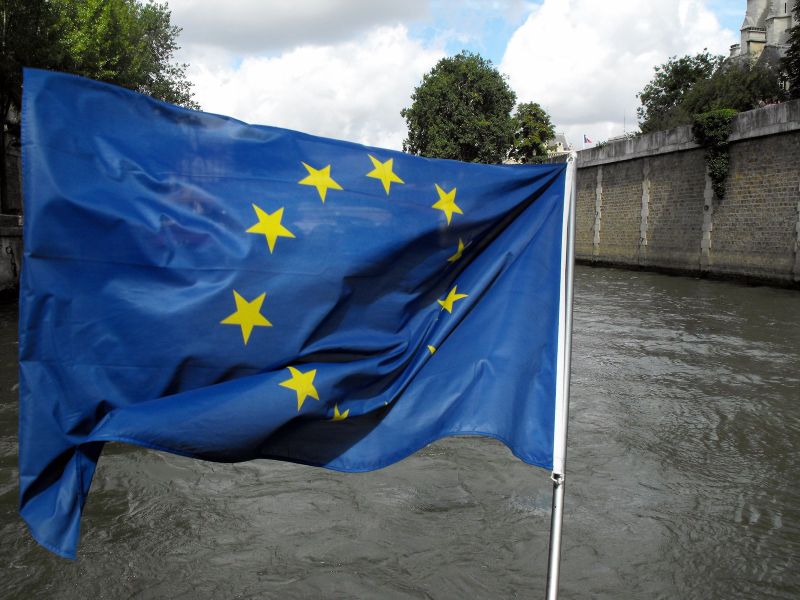
The EU's GDPR replaced the 1995 Data Protection Directive. It kept most of the old principles, added accountability, and set fines of up to 4% of revenue.
Australian native title rests on traditional law and custom that continues today. A win brings a right to negotiate. The first compensation came in 2019.
A contingency fee lawyer takes a share of a client's win and nothing if the case fails. England caps injury fees at 25%, and a Canadian judge cut one by 90%.
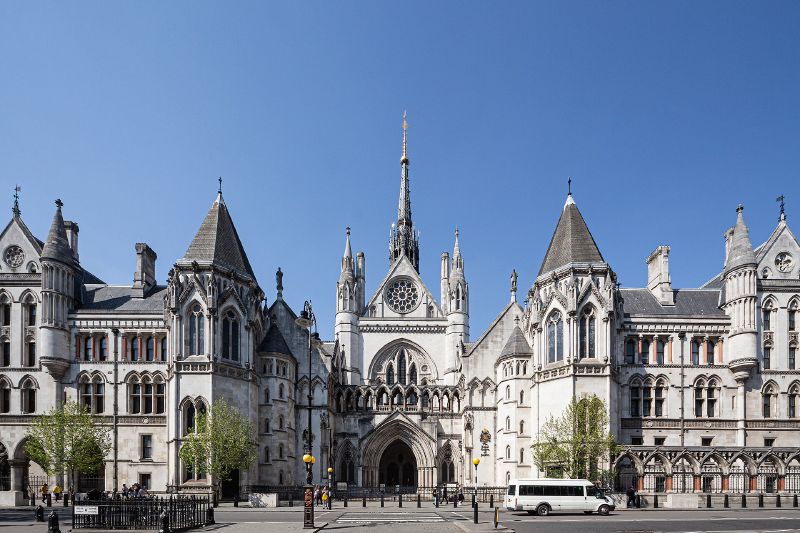
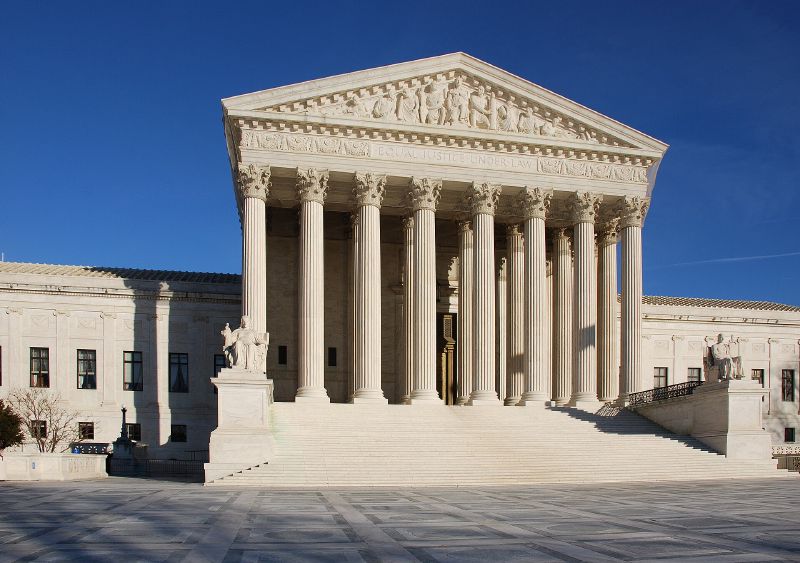
Under stare decisis, a lower court must follow a higher court's rulings. A court can overturn one of its own past rulings, but only for a compelling reason.
A power of attorney lets a chosen person act for you if illness or injury stops you deciding. Scotland lets you grant one at 16, the rest of the UK at 18.
Elizabeth Holmes will leave her Texas prison camp for a halfway house next August, years before her full release in 2030.
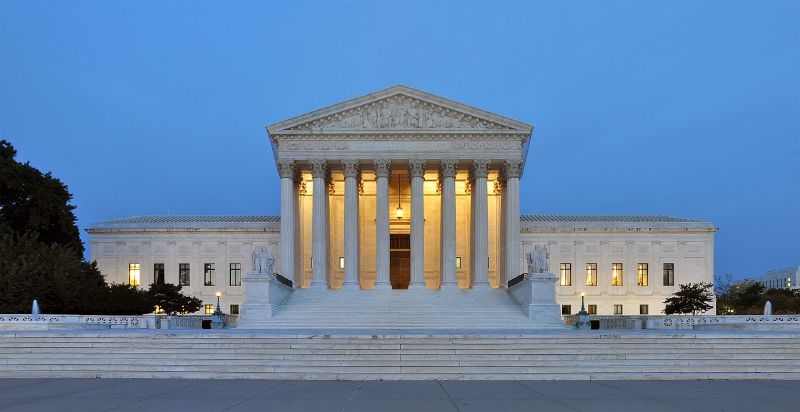
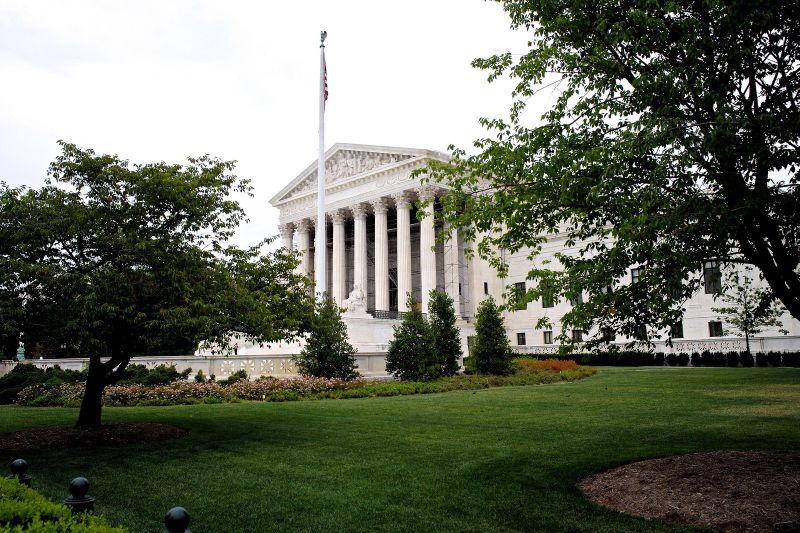
The Indian Child Welfare Act told US states to place a Native child with family or their tribe first. The Supreme Court upheld it in 2023.
Argentina's 2012 Gender Identity Law lets adults change the gender and name on official papers by their own declaration, and puts treatment on health plans.
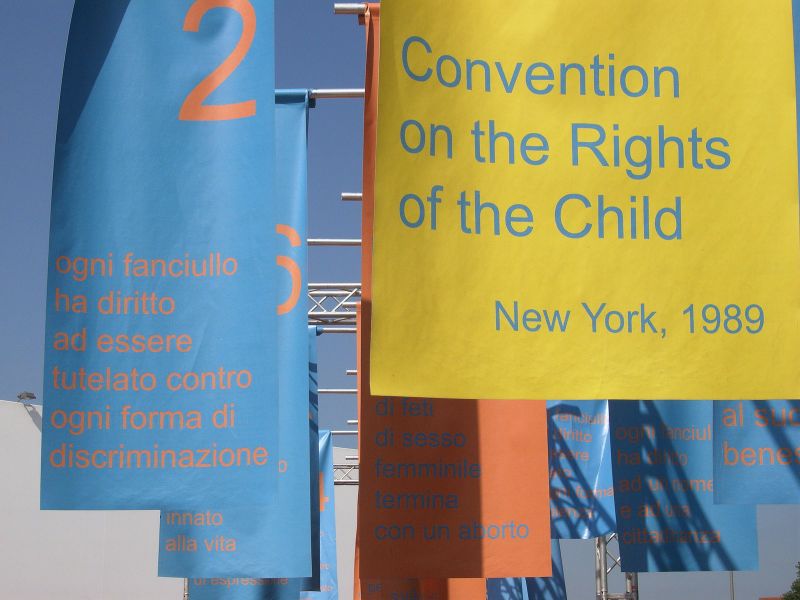
The UN Convention on the Rights of the Child sets out what every under-18 is owed, from a name to contact with both parents. Scotland made it law in 2024.
A US habeas corpus petition makes the government show a judge its legal basis for holding someone. Immigration lawyers have filed more than 52,000.