Two examiners judge a UK PhD in one viva
A UK PhD viva is an oral exam held after the thesis is submitted, where two examiners question the candidate before recommending a result.
New skills, useful questions and the satisfying work of understanding.
New skills, useful questions and the satisfying work of understanding.
A UK PhD viva is an oral exam held after the thesis is submitted, where two examiners question the candidate before recommending a result.
The US Advanced Placement programme lets high schoolers sit a college-level exam and trade a passing score for credit. It has run since 1956.
A league table averages a whole institution. The course you want, its entry threshold and your own circumstances decide more than that average does.
A wartime committee recommended abolishing England's Higher School Certificate in 1943. Its replacement, the A-level, arrived in 1951 and is still sat today.
An Ofsted grade doesn't come from one classroom visit. It comes from a planning call, six tracked pupils, and evidence built across the whole inspection.
Brazil's Enem replaced universities' separate entrance tests with one national exam that almost every public university now uses to admit students.
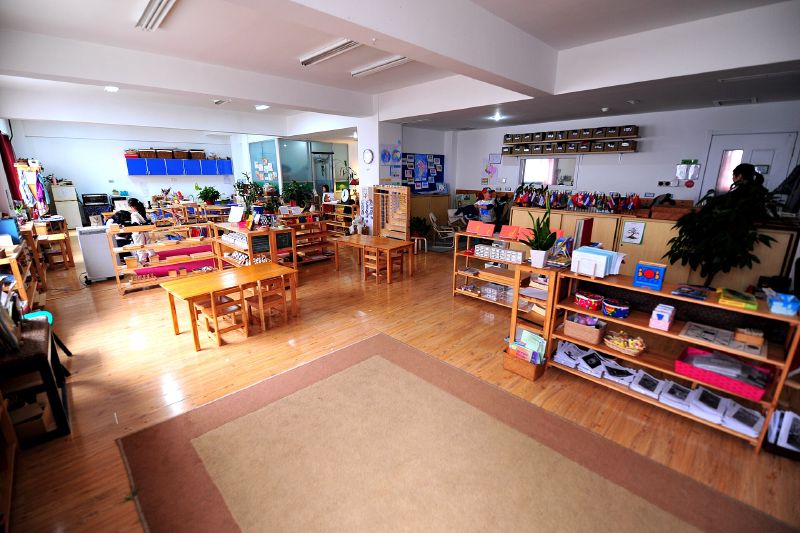
A Montessori classroom drops the timetable, the blackboard and the teacher's desk. A South Carolina study found its public pupils ahead in English and maths.
The lectures reached tens of millions of viewers. Critics called the edX version, JusticeX, old footage with quizzes, no better than assigning a book.
England's Office for Students says two degree algorithm practices inflate Firsts: awarding the best of several results, and dropping a student's lowest marks.
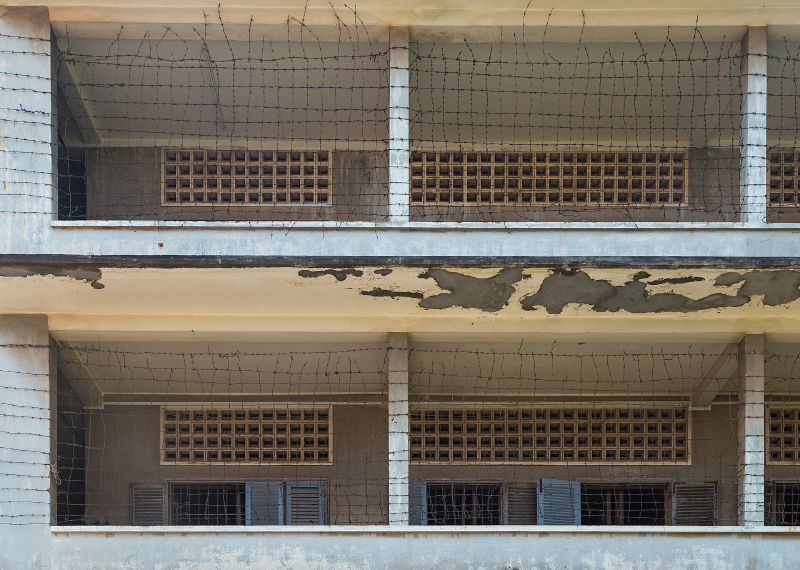
After the Khmer Rouge killed or drove out most educators, Cambodia put anyone with some schooling in front of a class after weeks of training.
A GPA multiplies each grade by its course's credits, adds the results, then divides by the total credits attempted across the whole term.
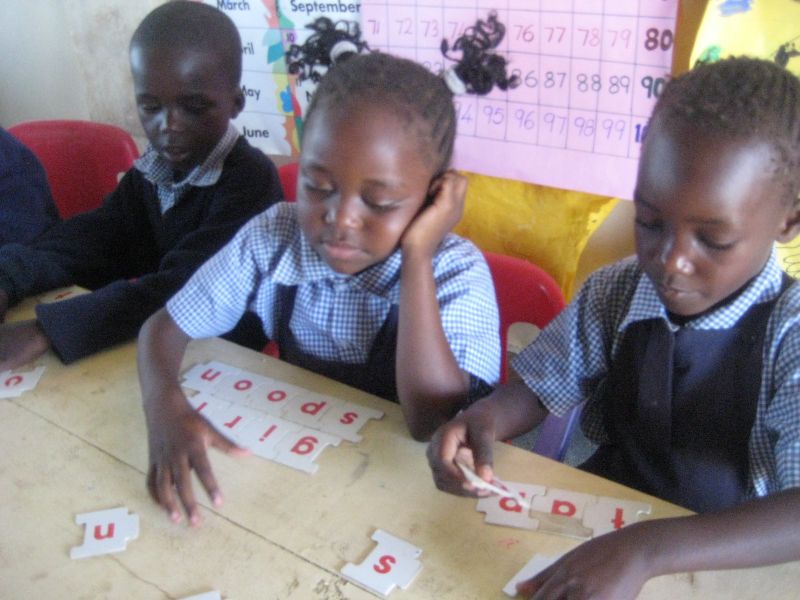
A phonics programme teaches a child to match letters to sounds, then blend those sounds together, starting with the letters used most often.
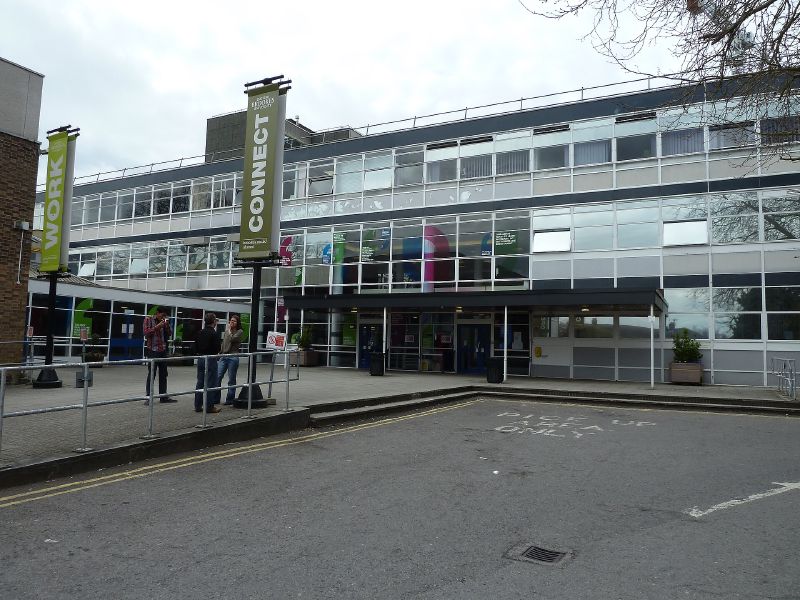
The Further and Higher Education Act 1992 gave 34 British polytechnics degree-awarding powers, ending a divide that had run since 1965.
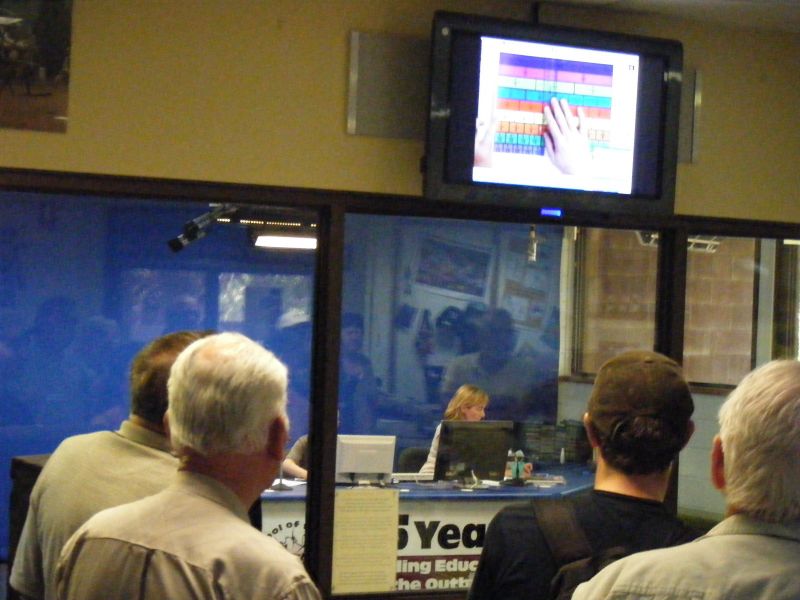
Mount Isa's School of the Air teaches outback children scattered across 800,000 square kilometres by radio, then satellite phone, in daily lessons.
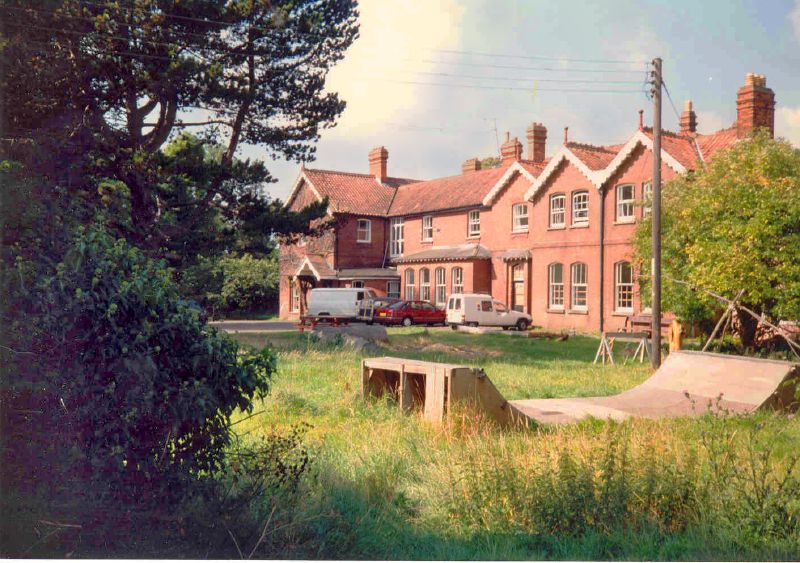
At Summerhill School in Leiston, lessons have been optional since 1921. Ofsted called the approach a failure, but inspectors in 1949 praised it.
Congress passed No Child Left Behind by 384 to 45 in the House and 91 to 8 in the Senate. Schools that kept missing targets faced closure.
A UK study found teacher forecasts match exam results closely, but the misses follow pupils' backgrounds. Another linked teacher training to higher scores.