Hilbert's fully-booked hotel always finds room for one more
David Hilbert's 1924 thought experiment of a hotel with infinite rooms shows how infinity breaks the ordinary rules of counting.
Patterns, puzzles and the precision of a well-formed question.
Patterns, puzzles and the precision of a well-formed question.
David Hilbert's 1924 thought experiment of a hotel with infinite rooms shows how infinity breaks the ordinary rules of counting.
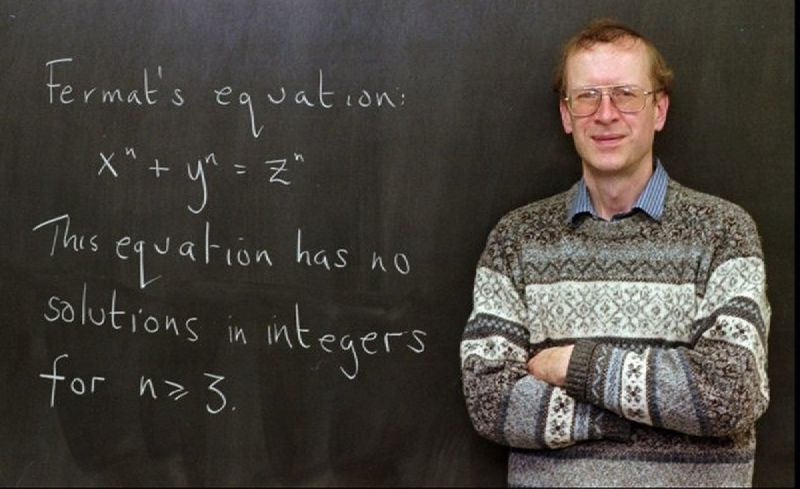
Wiles worked in secret for seven years, then a reviewer found a flaw. Quanta and Nautilus trace how he got round a 350-year-old problem, and nearly lost it.
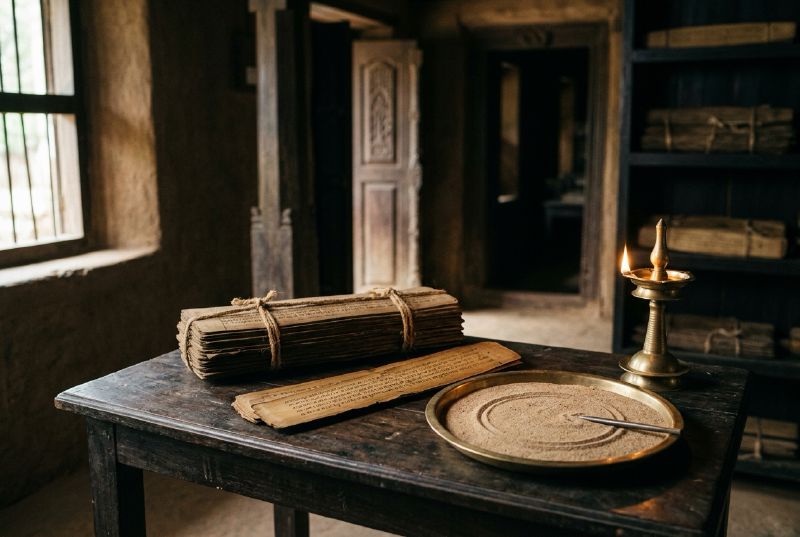
A paper tests the series credited to Madhava of Sangamagrama and cannot explain his circle value. Almost nothing about his life is certain.
Georges-Louis Leclerc, Comte de Buffon, worked out in 1777 that a needle tossed onto lined paper could estimate pi through chance alone.
Andrew Wiles proved Fermat's Last Theorem in 1995, working in secret for years and closing a gap that turned up during peer review.
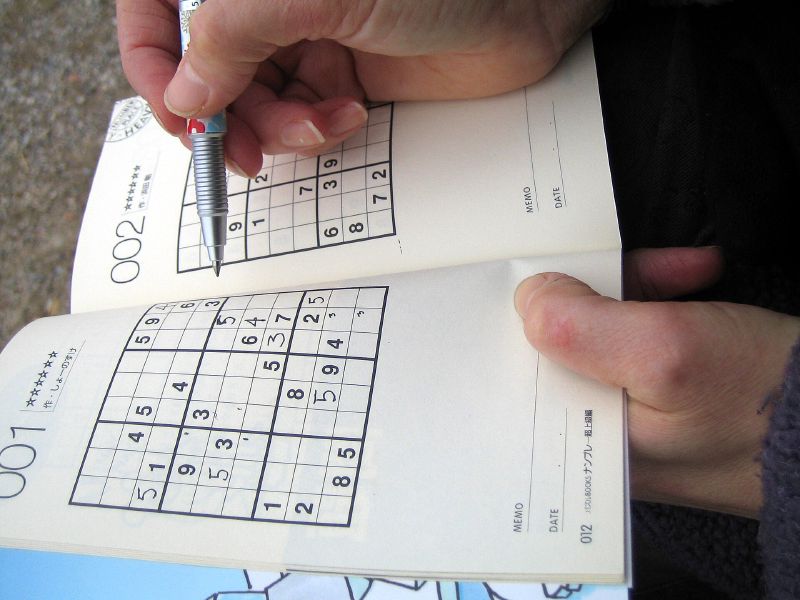
In 2012, a University College Dublin team's exhaustive computer search proved no 16-clue Sudoku grid has a single, unique solution.
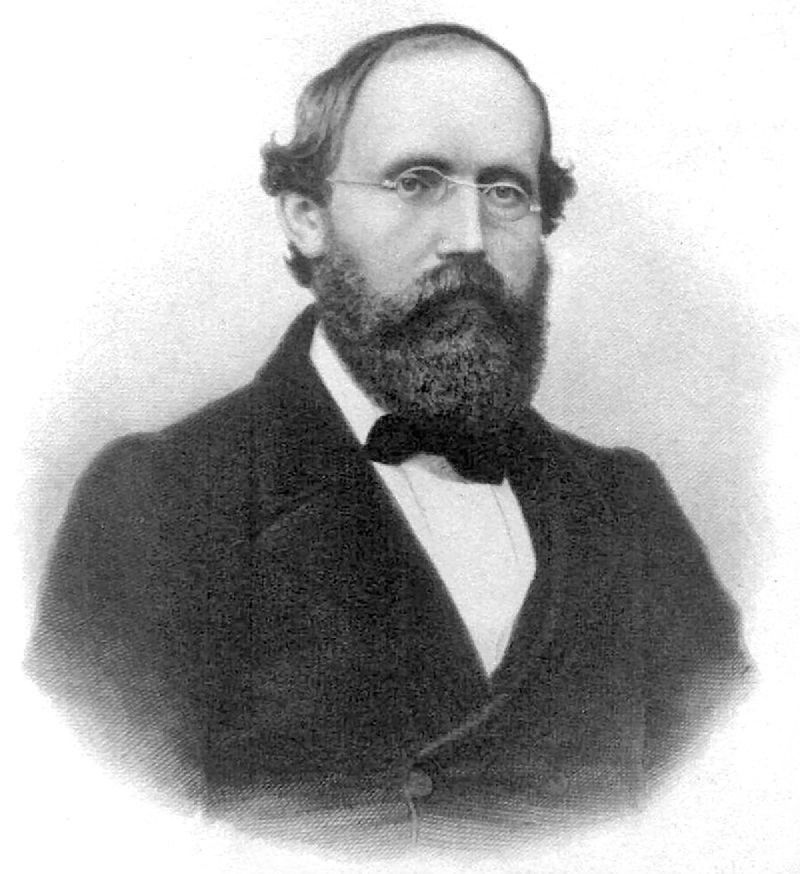
Bernhard Riemann's 1854 lecture on curved space sat mostly ignored for decades before Albert Einstein built general relativity on its ideas in 1915.
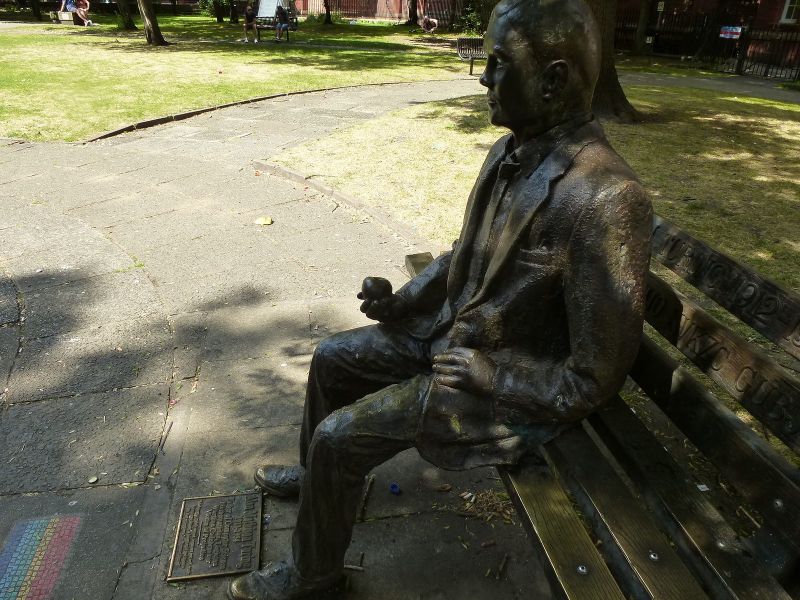
In 1936, Alonzo Church tied effective calculation to his lambda calculus. Alan Turing's work reached the same result on a related problem.
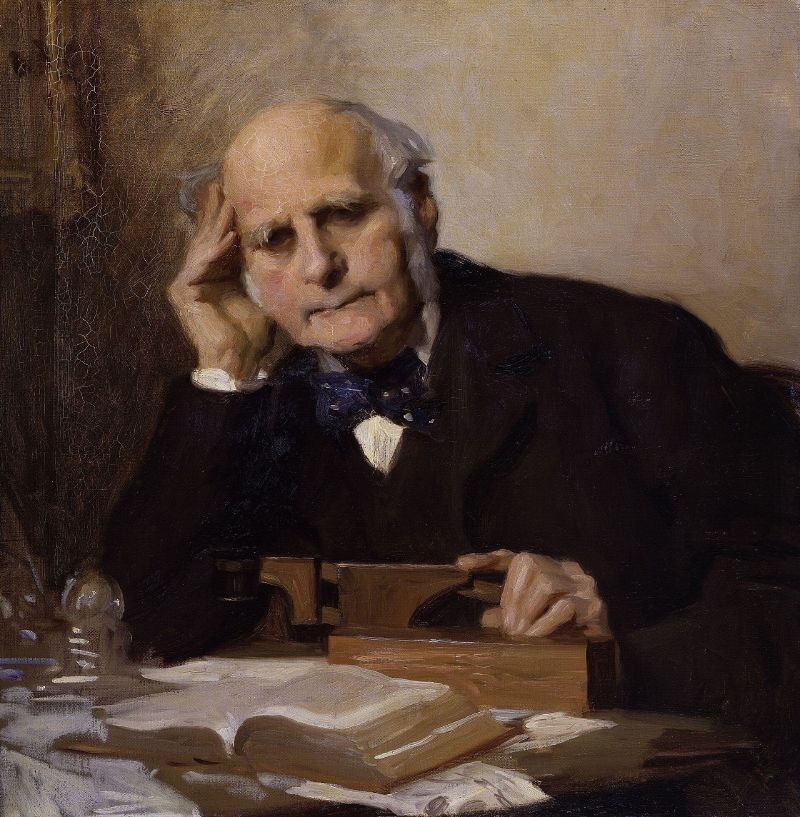
At a 1906 Plymouth livestock show, 787 people guessed an ox's weight. Most were wrong, yet their average landed within one per cent of the truth.
In 1742, Christian Goldbach told Euler that every even number over 2 is the sum of two primes. Nobody has proved it since.
Yu Deng, John Pardon, Jacob Tsimerman and Hong Wang won the 2026 Fields Medals, a prize for work done and for the promise of more.