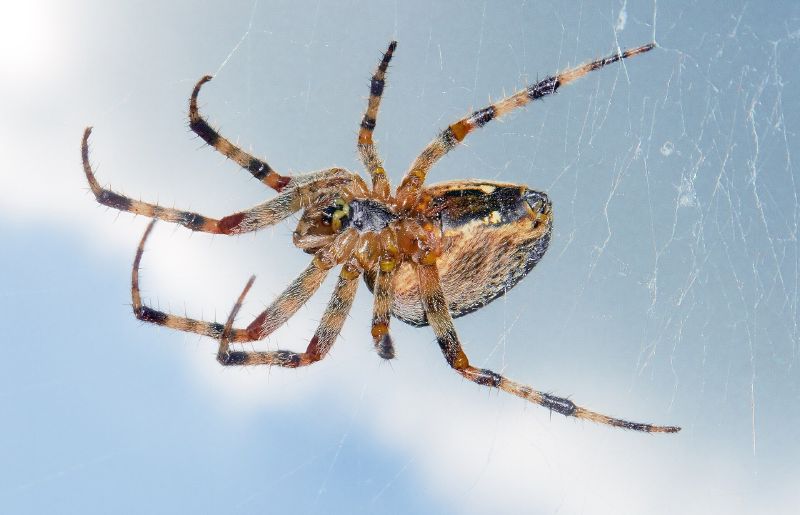
Fear of spiders may trace back to scorpions
Psychologists find that spider fear can run in families, that spiders alone rarely cause it, and that scorpions may help explain why it is so common.
How we interpret experience, tell our stories and understand each other.
How we interpret experience, tell our stories and understand each other.
Psychologists find that spider fear can run in families, that spiders alone rarely cause it, and that scorpions may help explain why it is so common.
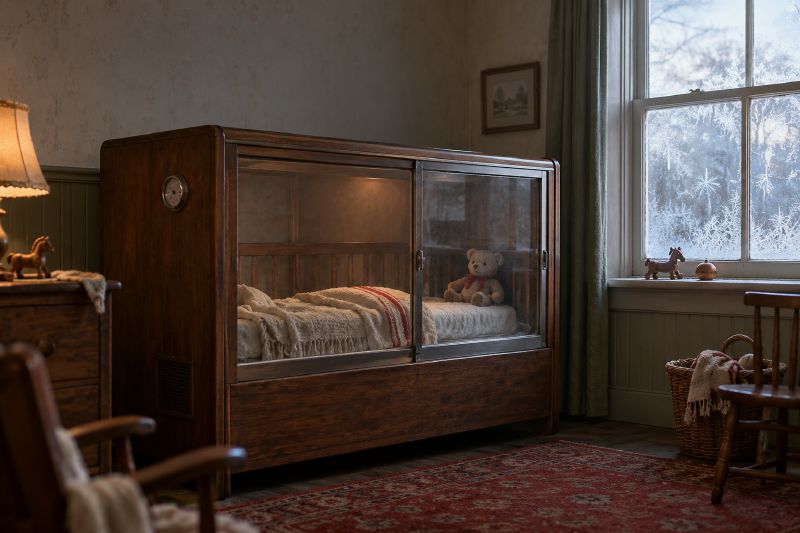
B. F. Skinner built a heated crib for his daughter Deborah. A 1945 magazine feature and a confusion with the Skinner box turned it into a false legend.
Mihaly Csikszentmihalyi found flow by interviewing climbers, dancers and writers. Fifty years on, labs still struggle to catch it.
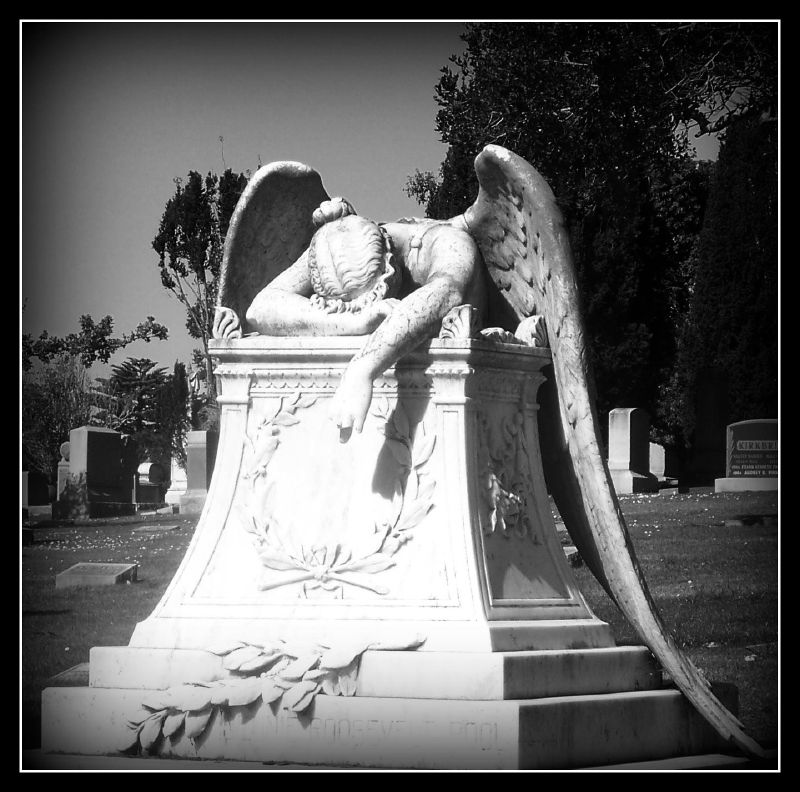
Grief has no fixed timetable. Many people never move through the five stages, and expecting grief to end on time causes its own pain.
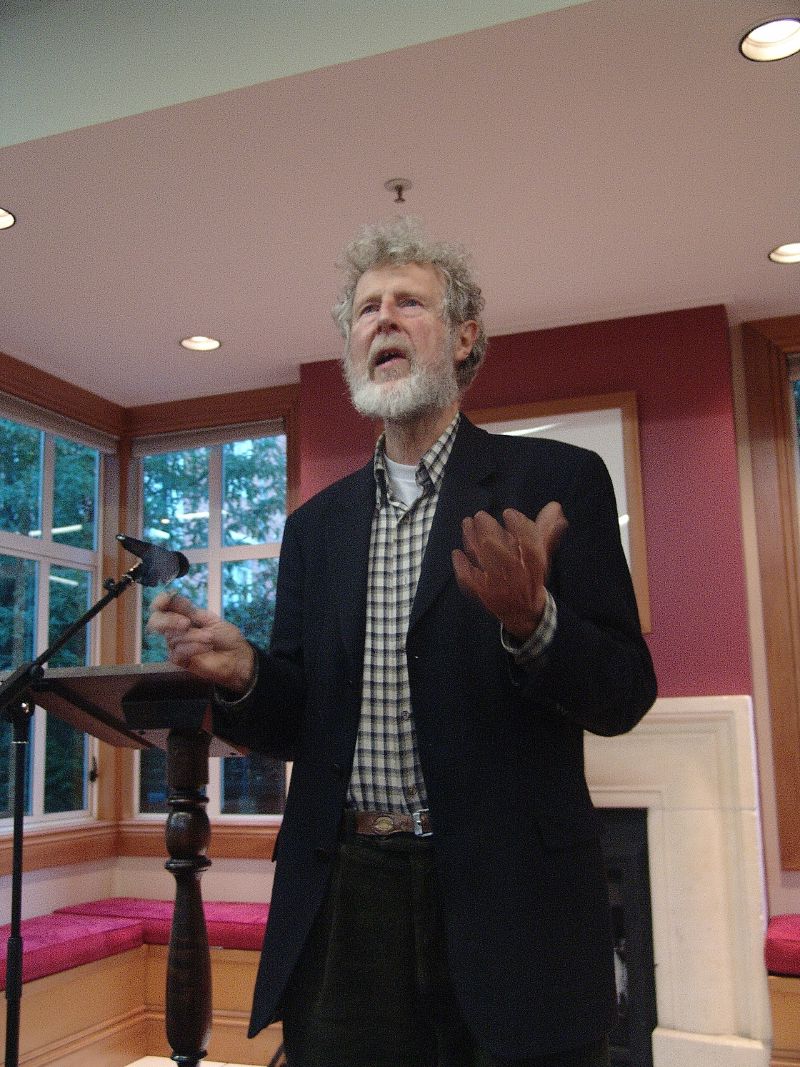
James Flynn found IQ scores rising by about three points a decade across nearly thirty countries, a shift too fast for genes to explain.
Imposter syndrome is the belief that your success is undeserved. It is not a diagnosis, and research suggests around 70% of adults feel it at some point.
Seeing a fake hand stroked in time with your hidden real one makes the brain claim it. It works only if the fake hand sits where a real arm could.
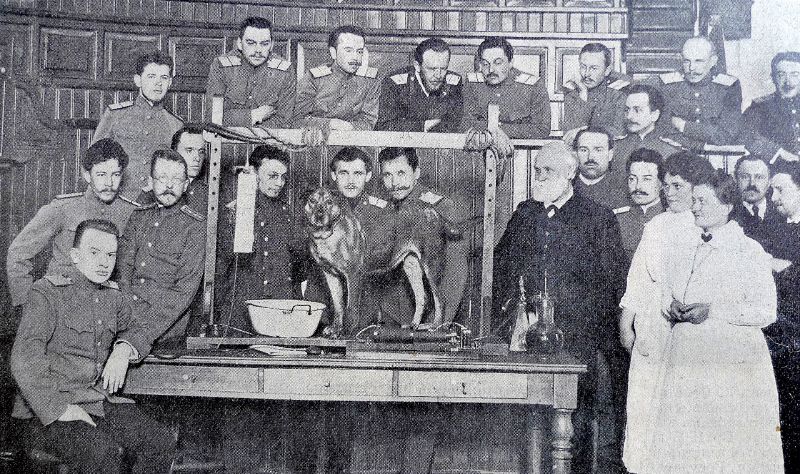
Ivan Pavlov's drooling dogs showed that one event can come to signal another. The same learning shapes human fears, likes and loyalties.
Grandmasters recall real chess positions at a glance because they store patterns, not pieces. Scramble the board and the advantage all but vanishes.
A witness's first identification, taken early and carefully, can be reliable. Every test after that risks changing what they remember.
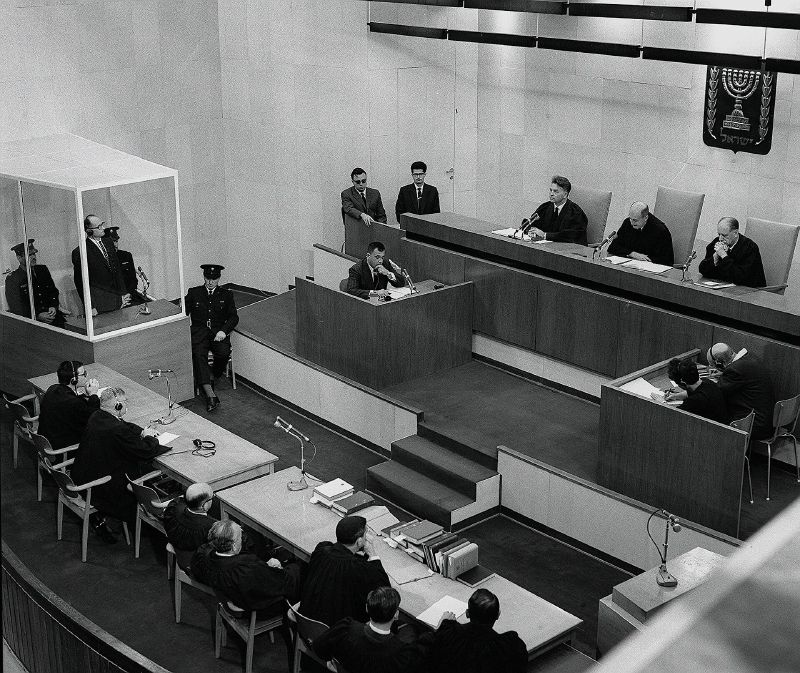
Stanley Milgram ran his Yale obedience experiment as Adolf Eichmann stood trial claiming he had followed orders. Most volunteers obeyed.
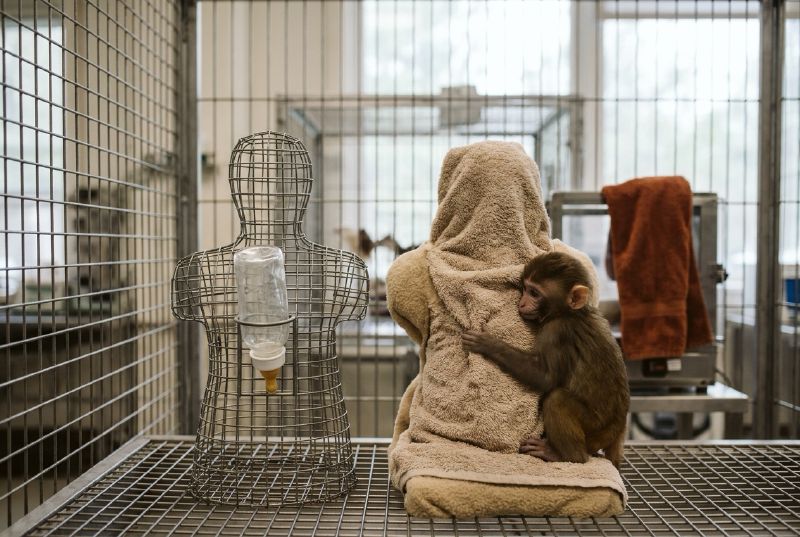
Harry Harlow's infant rhesus monkeys fed from a wire mother, then went straight back to cling to a cloth one. Comfort, not milk, drew them.
Carl Jung rejected Freud's view that all motivation is sexual and the unconscious purely personal. After the split he founded analytical psychology.