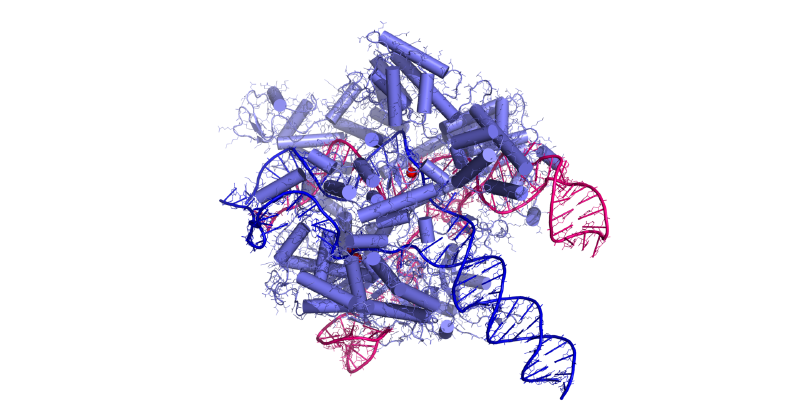
Cas9 follows a guide RNA to one spot and cuts the DNA there
Bacteria evolved Cas9 to shred viral DNA. In 2012 Doudna and Charpentier swapped its RNA guide so it cuts any chosen gene.
Stay curious. Ask better questions.
Discoveries, living systems and the questions that keep us looking closer.
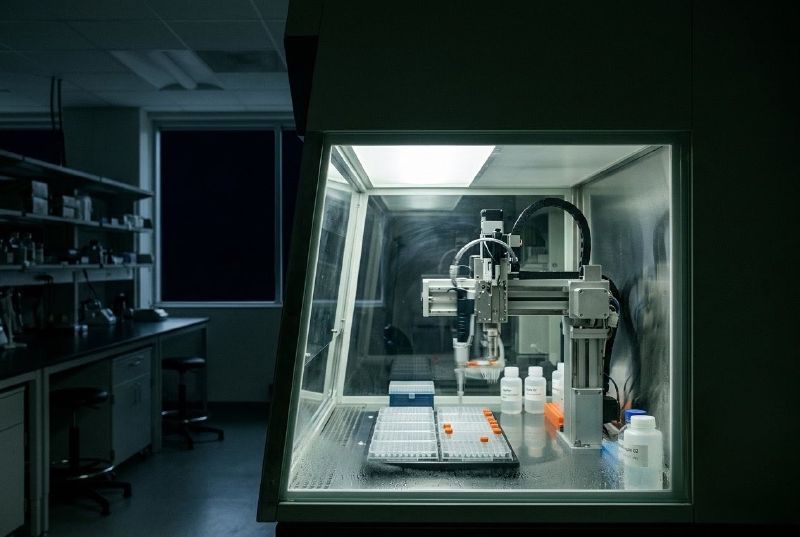
Bacteria evolved Cas9 to shred viral DNA. In 2012 Doudna and Charpentier swapped its RNA guide so it cuts any chosen gene.
The groove's width and depth copy a sound's pitch and volume. A needle then turns those wiggles back into a weak electrical signal.
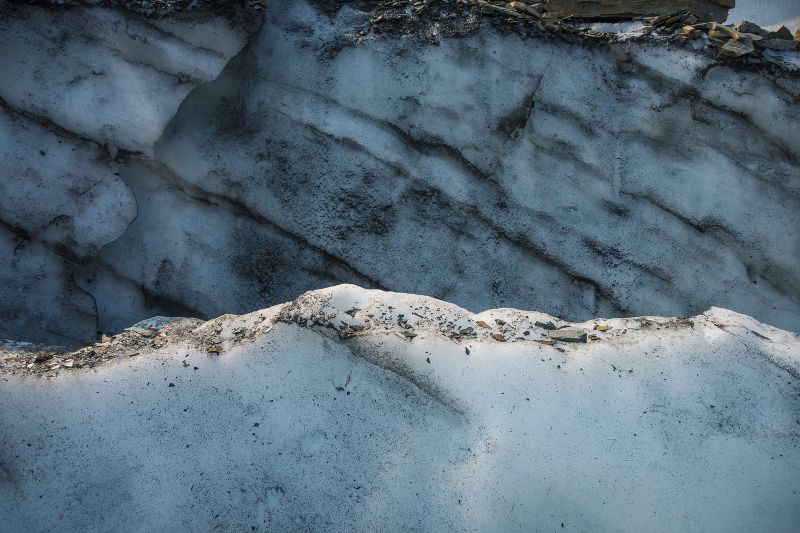
Each ice layer holds a year of snow and its trapped air, which reveal past temperature and carbon dioxide. Meltwater is now washing that record away.
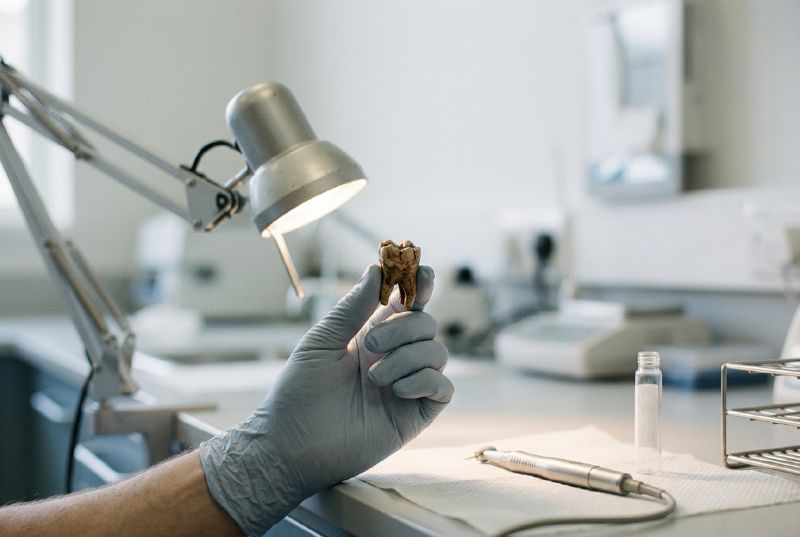
Teeth outlast bone, and DNA survives in them long after death. Geneticists read it in sealed, filtered rooms, and Neanderthal plaque even shows past meals.
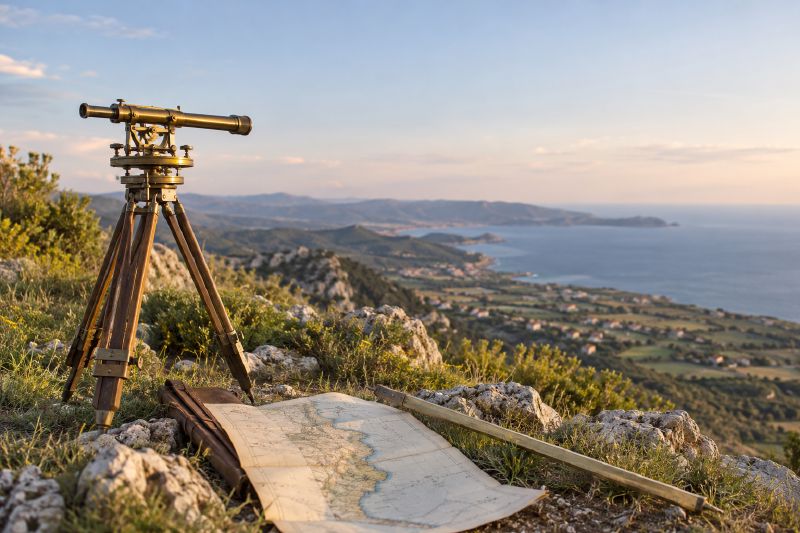
In 1792 two French astronomers set out to measure the meridian to fix the metre. It came out 0.2mm short, and Méchain hid readings that did not agree.
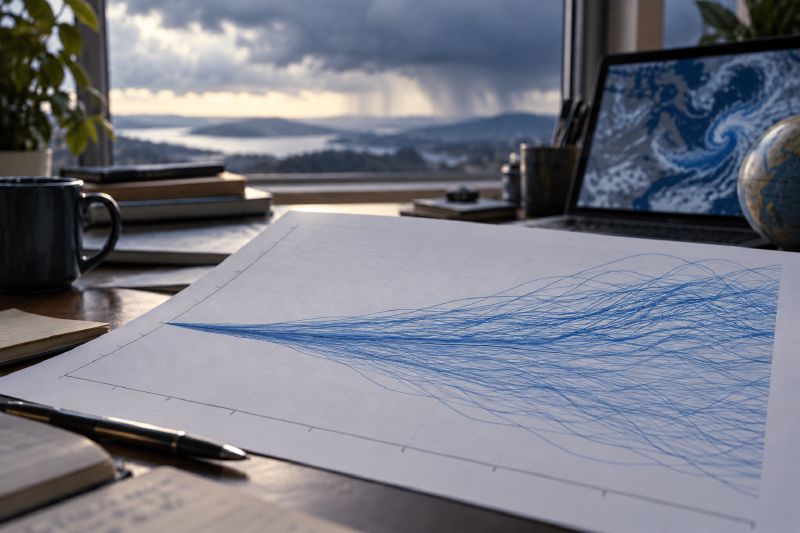
A small starting error grows daily inside the atmosphere's chaos, limiting how far a forecast can see. A warmer ocean can ease that limit, research shows.
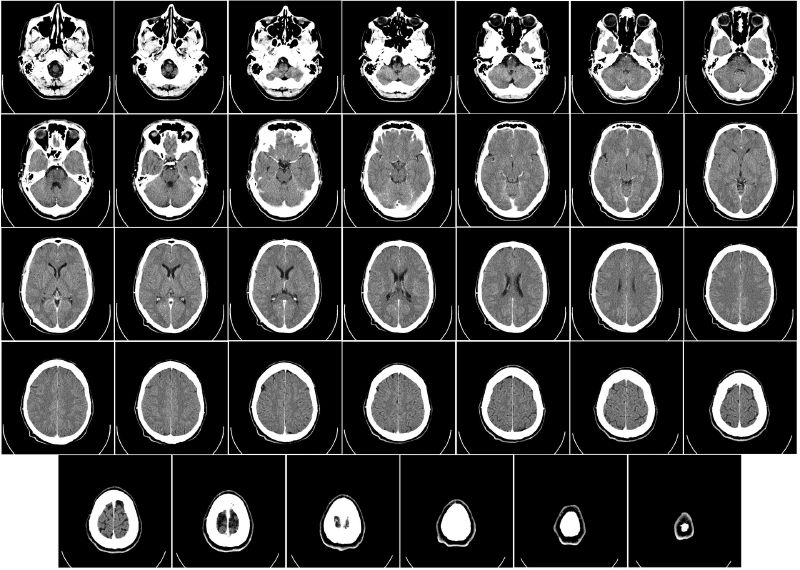
Trainee London cabbies who pass The Knowledge grow a larger posterior hippocampus. Those who fail do not, a UCL study of 79 trainees found.
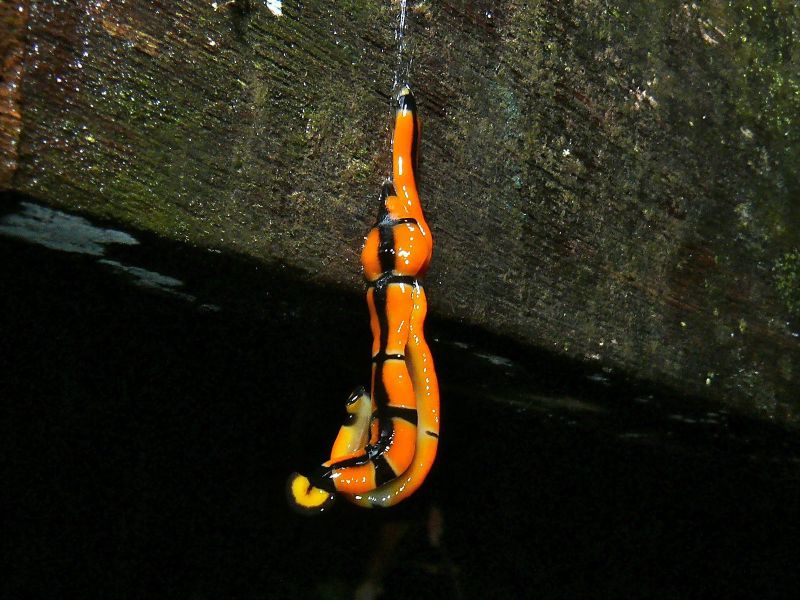
A planarian flatworm rebuilds a whole head from a scrap of body, using stem cells that can make any tissue and a chemical signal that says which end is which.
In a 2024 survey of nearly 3,000 AI researchers, over half put the odds of AI causing human extinction or disempowerment at 10 per cent or more.
Neuroplasticity, once dismissed, is now core brain science. Neuron timing strengthens or weakens links, and with too much change no memory would form.
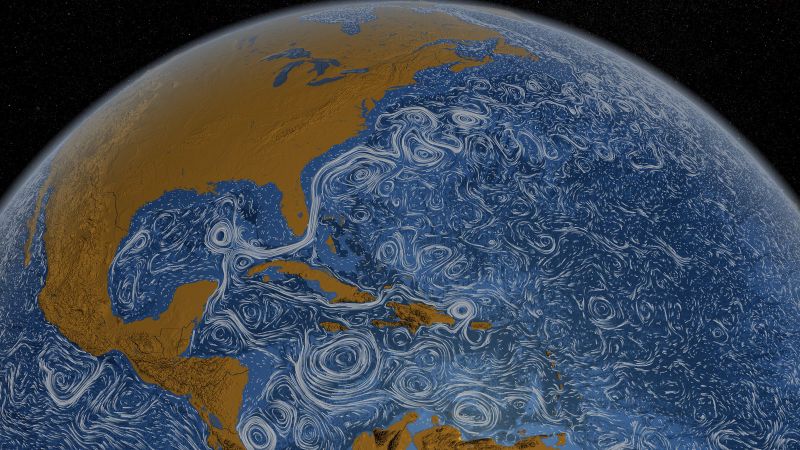
Climate models without the Gulf Stream still leave Europe milder than Canada. Atmospheric currents and air pressure across the Atlantic also play a part.
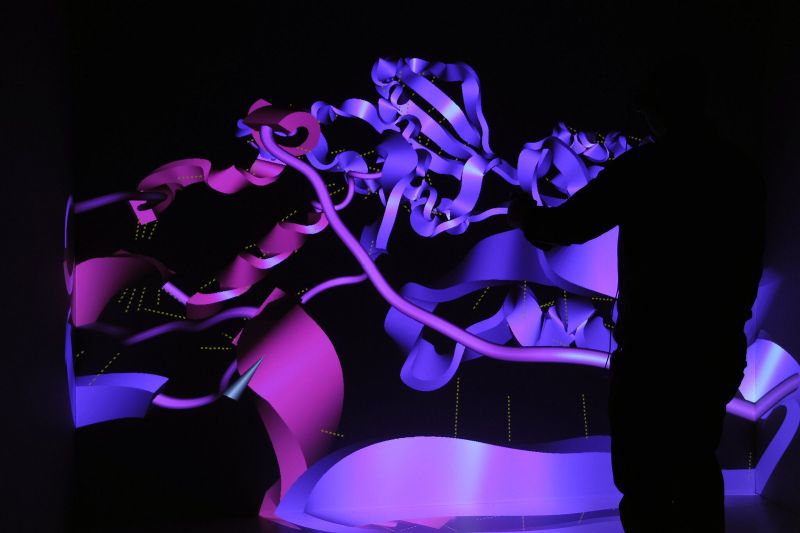
AlphaFold predicts a protein's shape in days rather than years of lab work. It still cannot show how a protein changes over time or behaves inside a cell.
Air molecules scatter blue light far more than red. That's why the sky is blue, not because it reflects the sea, and why sunsets turn red.
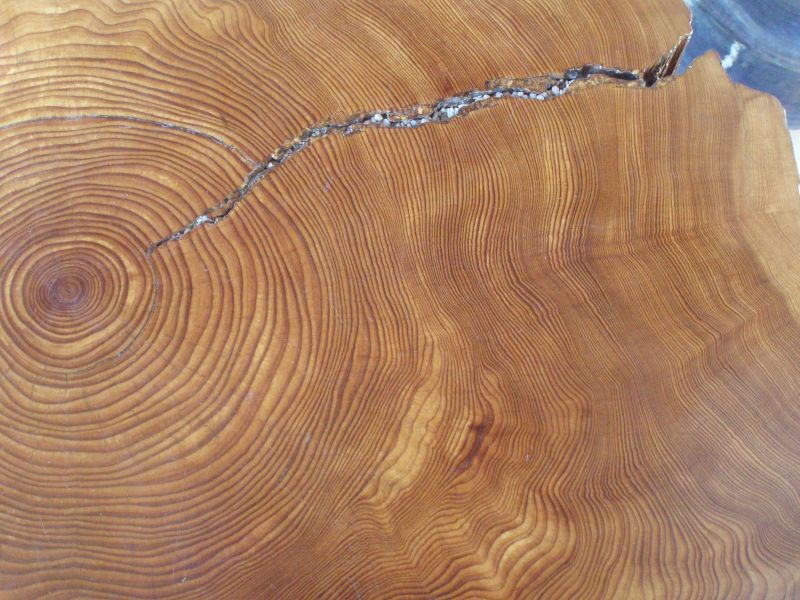
A tree lays down one ring a year, wide when the season is wet and narrow when it is dry. Matched across many trees, those rings date droughts to the year.
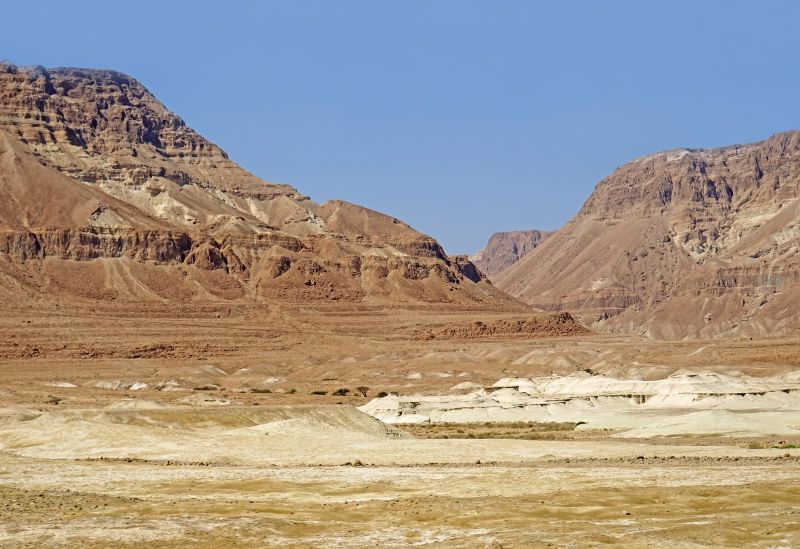
Columbia geologists found crust at a stage called necking under Kenya and Ethiopia. They suggest the Indian Ocean could follow in a few million years.
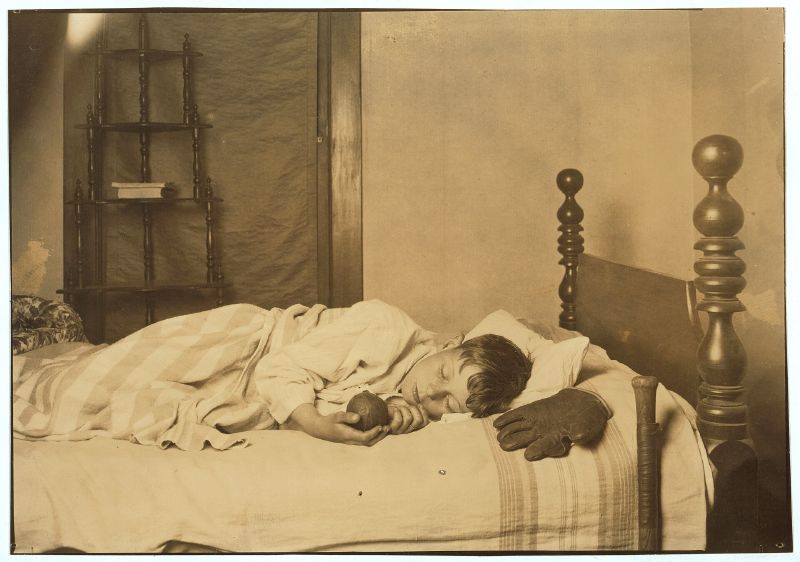
Science has no single answer to why we dream. Threat rehearsal, emotional repair, memory sorting and creative search each have evidence behind them.