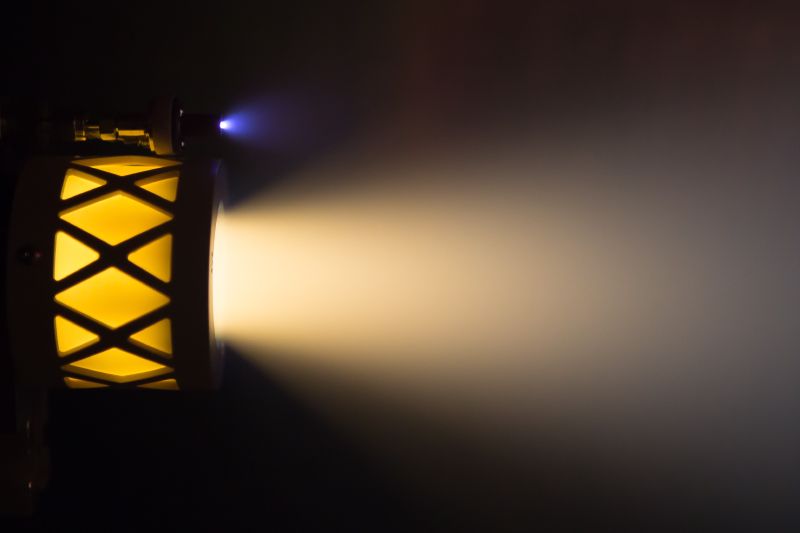
An ion thruster pushes with the force of a sheet of paper
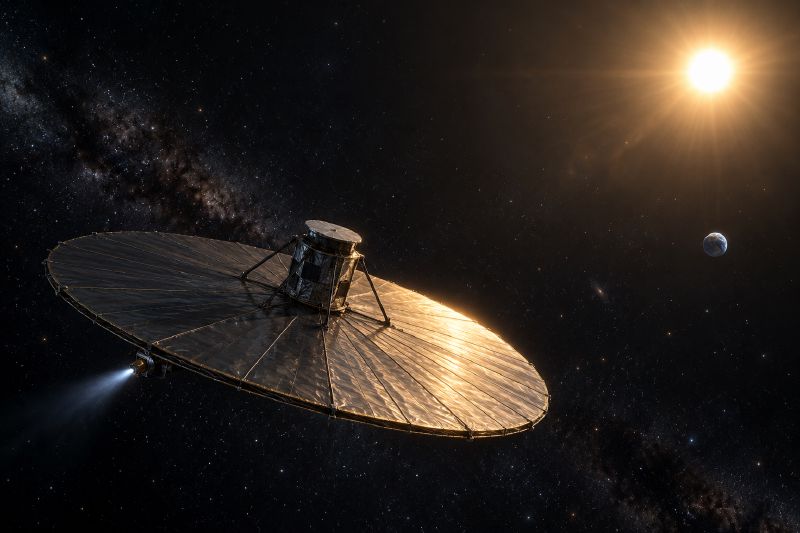
An ion engine uses so little xenon at a time that its thrust is tiny. Yet NASA's Deep Space 1 fired for 678 days and gained 4.3 km/s.
Distant worlds, ambitious questions and our view beyond the Earth.
Distant worlds, ambitious questions and our view beyond the Earth.
An ion engine uses so little xenon at a time that its thrust is tiny. Yet NASA's Deep Space 1 fired for 678 days and gained 4.3 km/s.
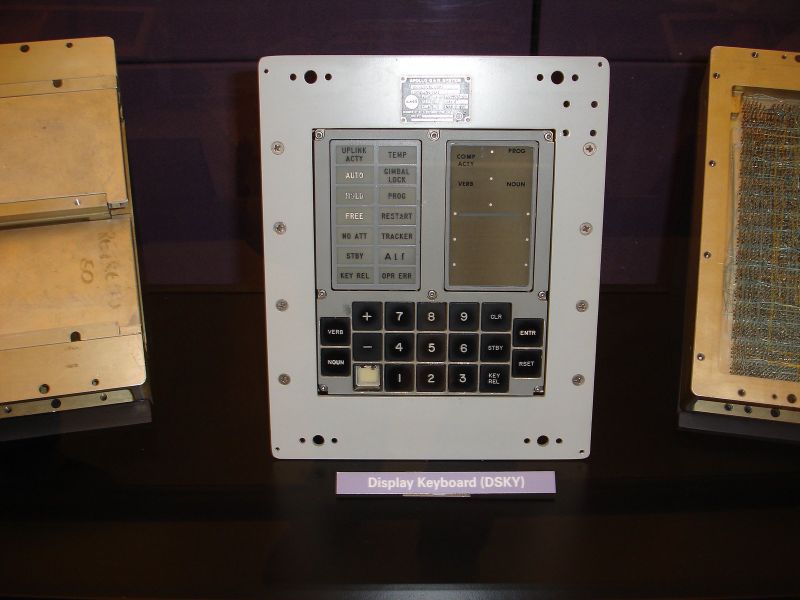
Apollo's guidance computer held 72 kilobytes, so engineers cut software, rolled mission phases in and out, and still landed Apollo 11 through the alarms.
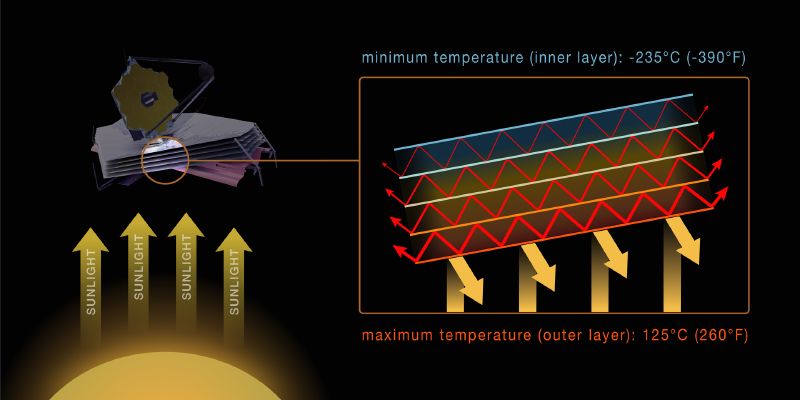
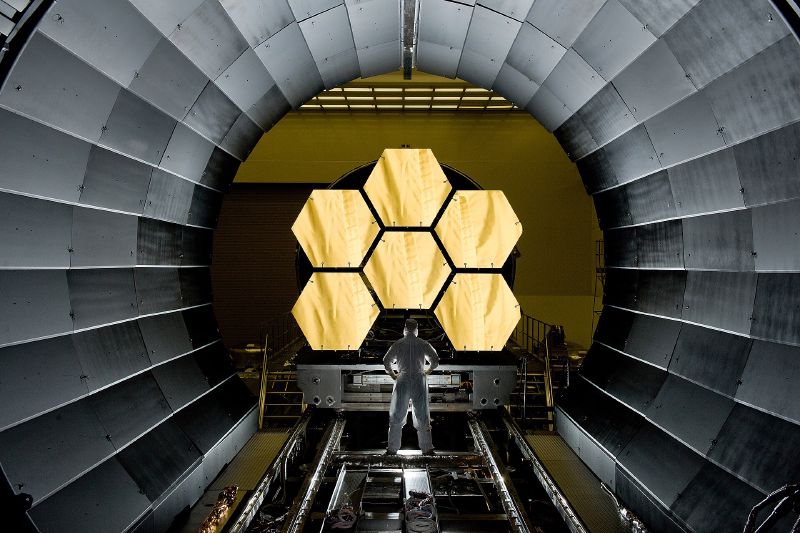
The coated layers reflect the Sun's heat back into space so the instruments can cool to minus 233C. Tensioning all five took two days in January 2022.
Stars orbiting Sagittarius A* point to a black hole of 4.3 million Suns. A 2026 proposal asks whether dark matter could explain the same orbits.
In November 2014 the Philae lander reached comet 67P, but its harpoons failed and it bounced twice. How the first soft landing on a comet actually happened.
In 1950 Enrico Fermi asked 'Where is everybody?' over lunch at Los Alamos. How a talk about a New Yorker cartoon became a puzzle SETI still argues over.
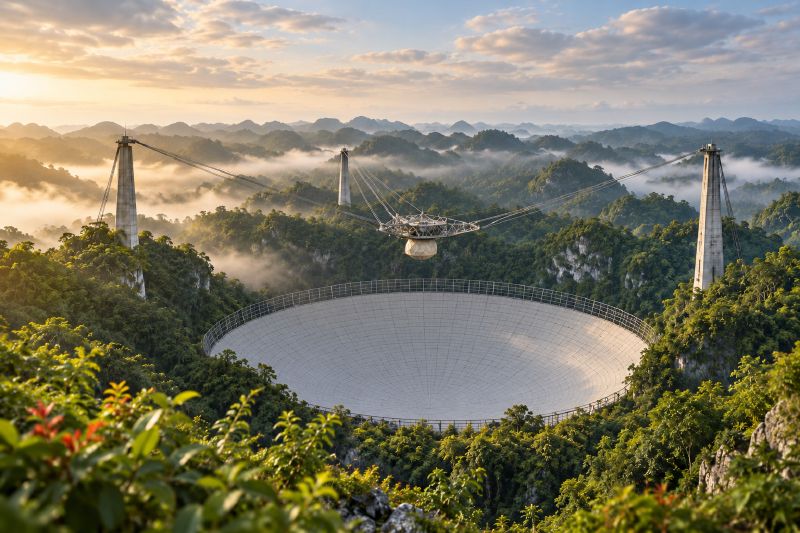
The US military funded Arecibo in Puerto Rico to study the ionosphere and perhaps track missiles. Astronomers turned it into a famous radio telescope.
At a Lagrange point the pulls of two bodies balance, so a probe stays near it on little fuel. Gaia's controllers still planned a correcting burn every month.
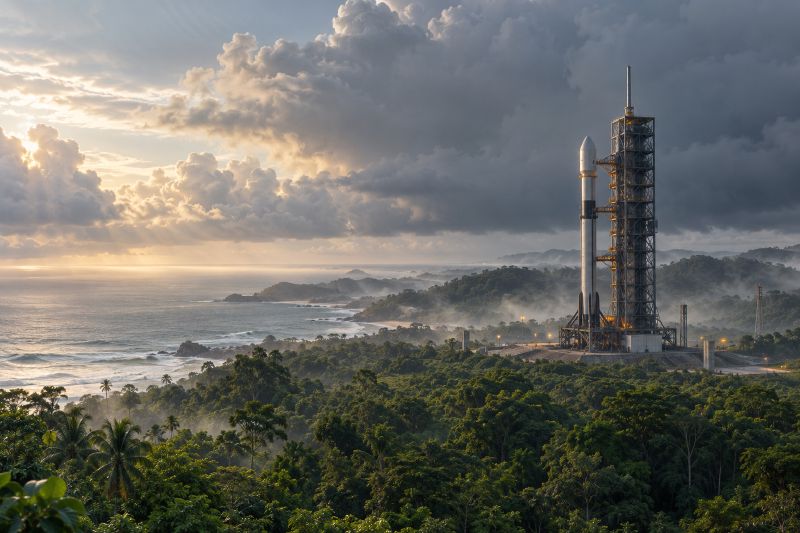
France picked Kourou in French Guiana in 1964 from 14 sites. Near the equator, rockets gain 460 metres a second from Earth's spin, and the sea is downrange.
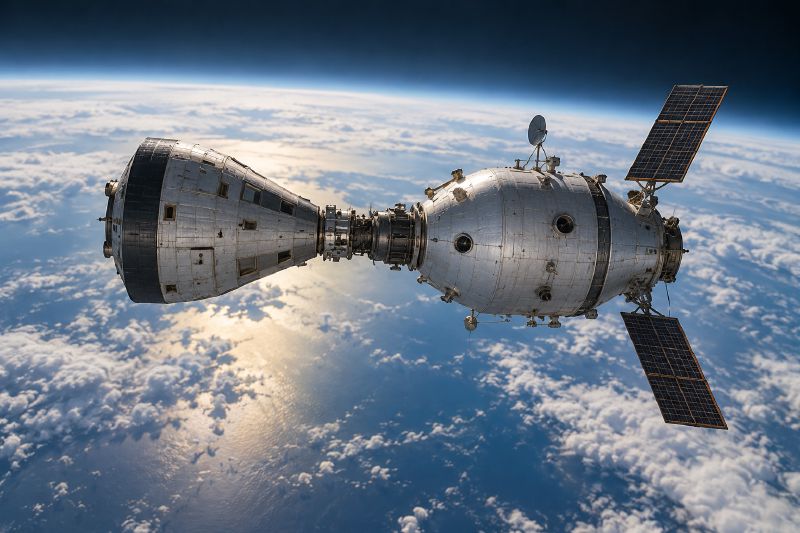
On July 17, 1975, an American Apollo and a Soviet Soyuz docked in orbit. Years of thawing relations, language lessons and a shared hatch made it happen.
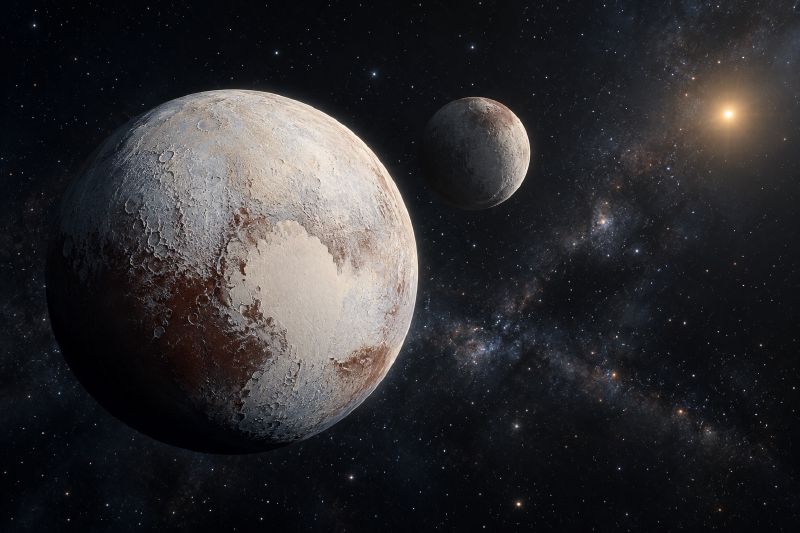
On August 24, 2006, astronomers in Prague voted on a definition of a planet. Pluto passed two of its three tests and became a dwarf planet.
Gaia measured the position, distance, motion, brightness, and colour of two billion stars, over more than a decade of observing.
NASA built Skylab from a leftover Saturn upper stage for three crews. About 63 seconds into launch, its shield tore away and took a solar array with it.
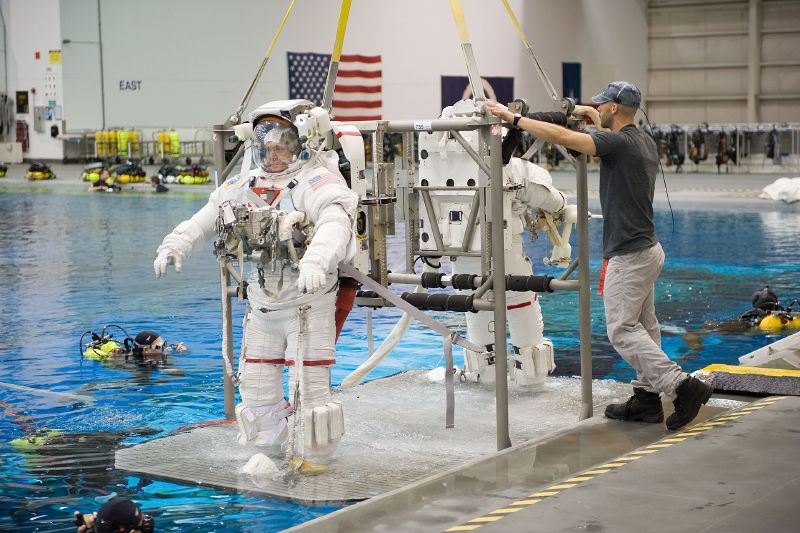
Astronauts rehearse a spacewalk underwater for about seven hours per hour outside, then spend the night before in an airlock adjusting to suit pressure.
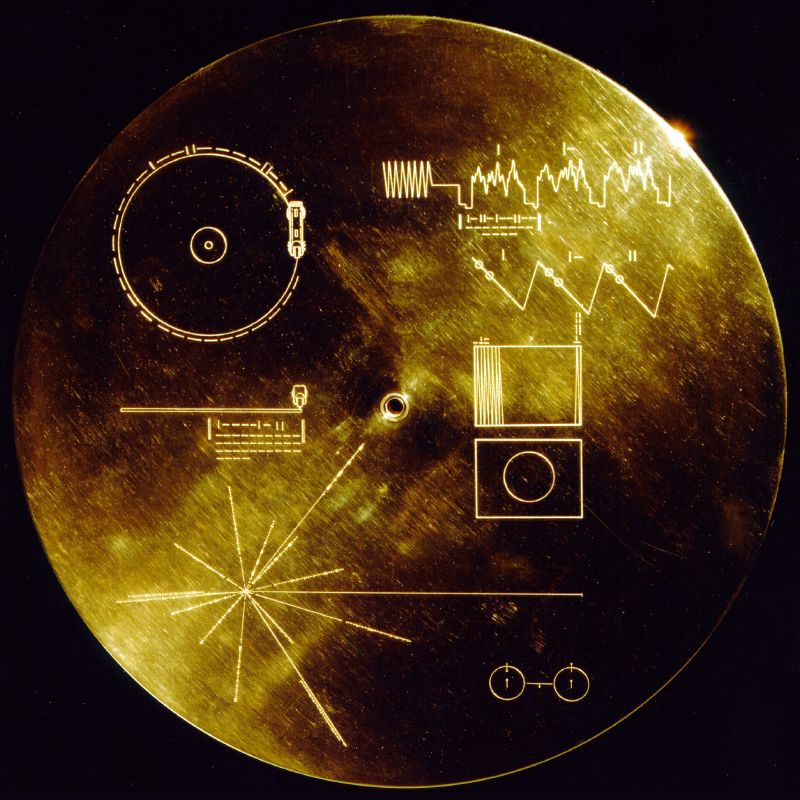
Carl Sagan's committee had six weeks to choose the sounds, images and music that speak for Earth on Voyager's Golden Record.
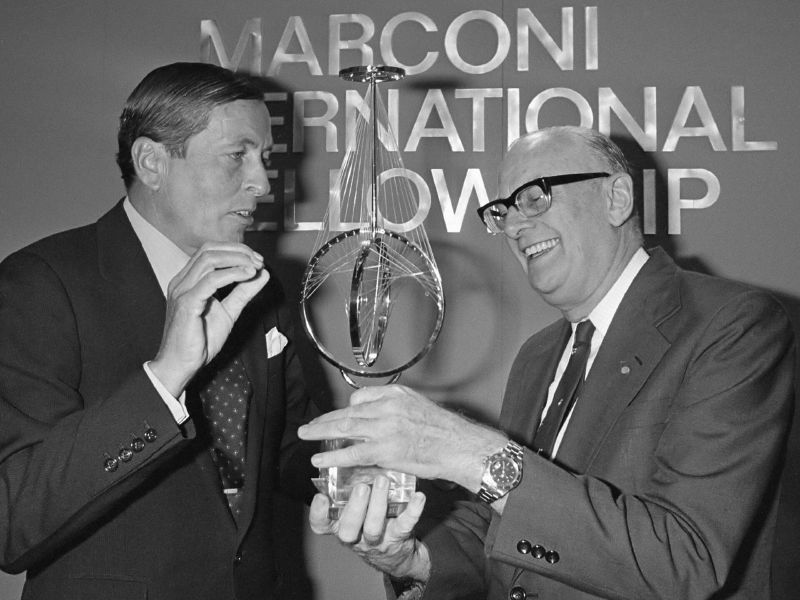
In 1945 Arthur C. Clarke proposed relay satellites in geostationary orbit. The first reached that orbit in 1964, and he never tried to patent it.
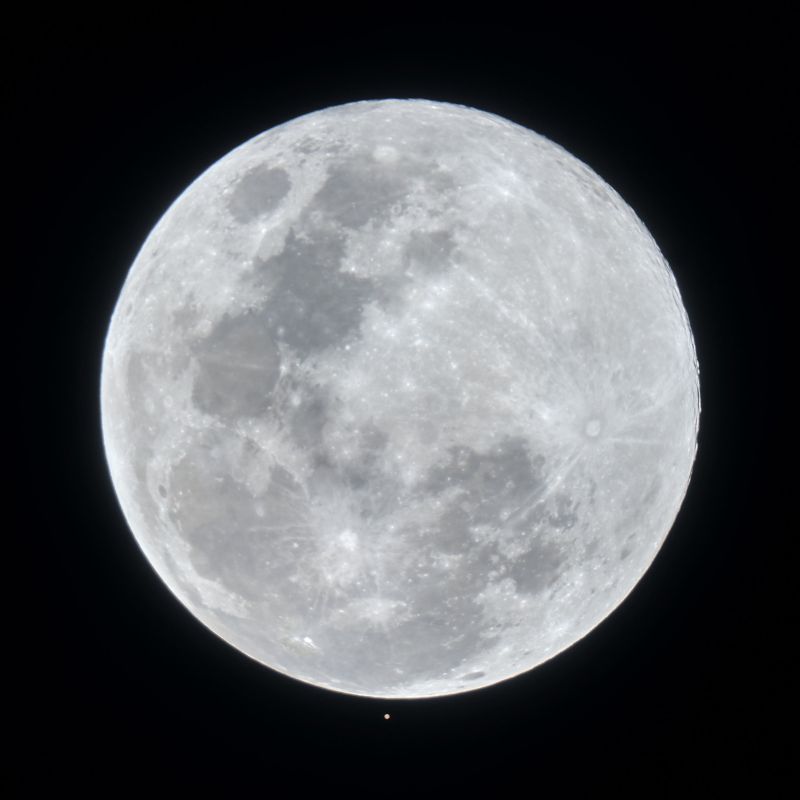
The Moon has a very thin atmosphere and a star is tiny, so an occultation ends its light at once. A star that vanishes in stages in a graze is a hidden pair.
Webb's 6.5-metre mirror and infrared cameras see light Hubble could not. It found galaxies near Milky Way size sooner than standard models allow.
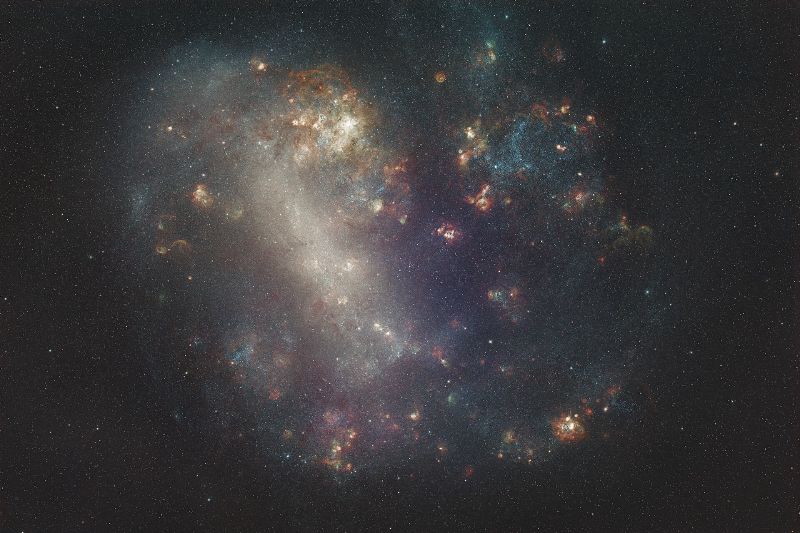
The Large Magellanic Cloud sits close enough for astronomers to resolve single stars, and far enough to double as a ruler for the universe.
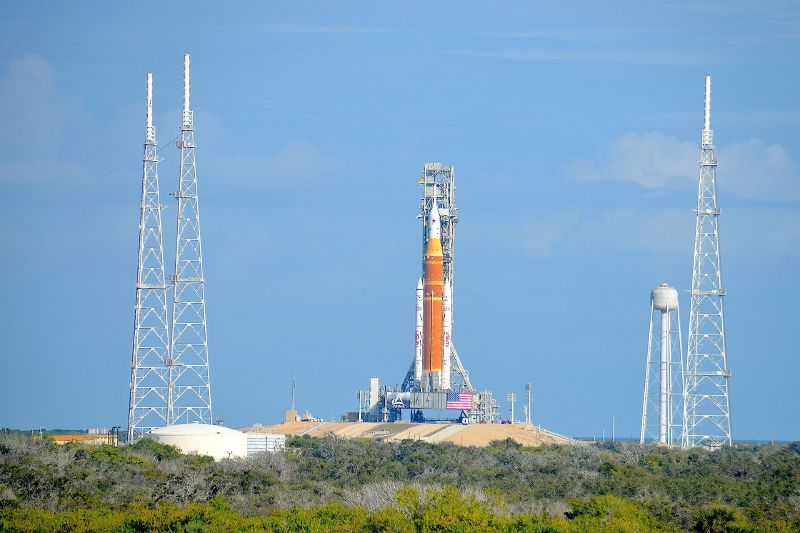
Four astronauts looped around the Moon in April 2026 on Artemis II, the first crewed flight past low Earth orbit since Apollo ended in 1972.
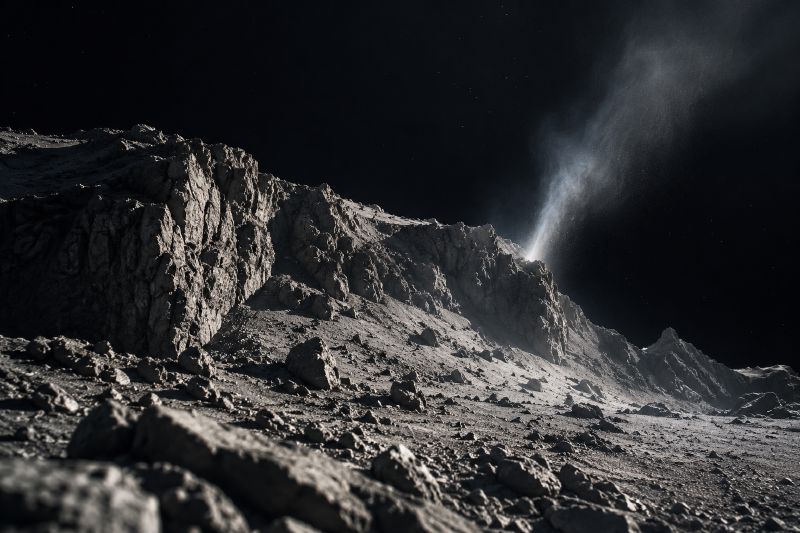
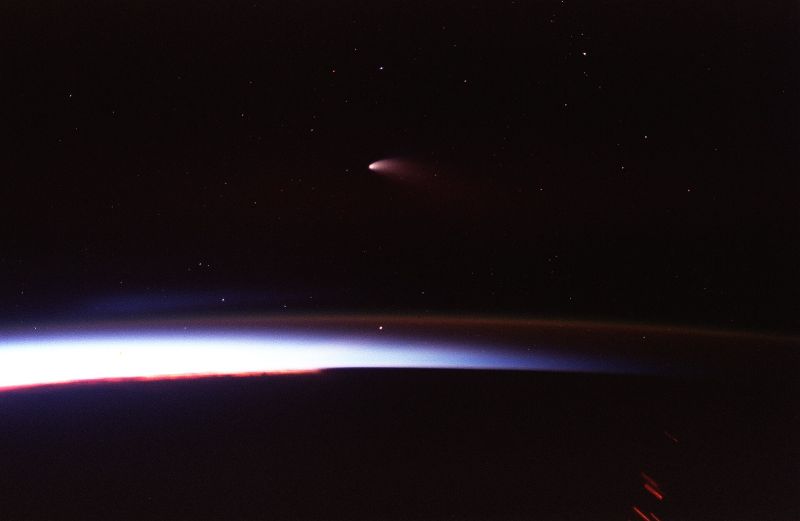
Sunlight and the solar wind, not a comet's own motion, decide which way its tail streams as the comet swings past the sun.