Three usual causes of a slow computer, and how to spot each
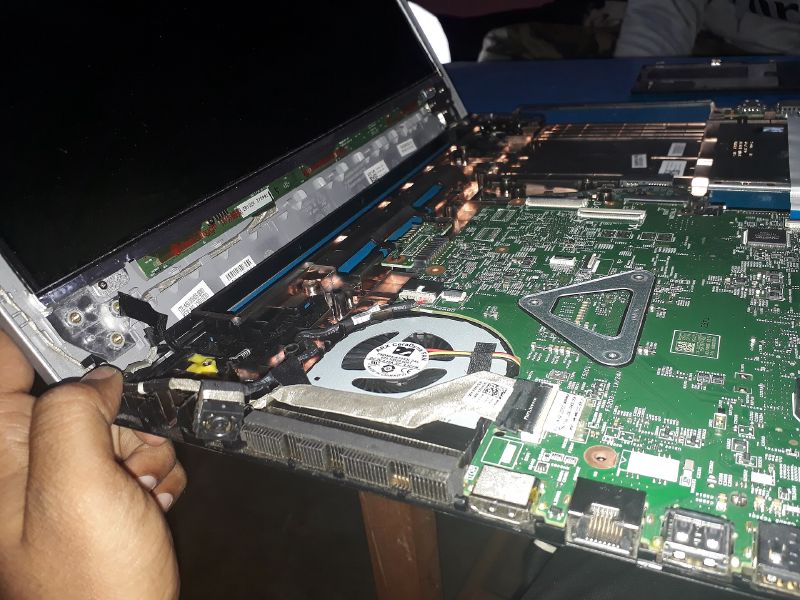
Microsoft blames low storage, startup apps and ageing hardware, and Apple adds short memory. These checks show which one is slowing yours.
Human ideas. Digital futures.
A closer look at the tools changing our lives, and the choices behind them.
Microsoft blames low storage, startup apps and ageing hardware, and Apple adds short memory. These checks show which one is slowing yours.
Gemini already hides a pattern in its word choices that only a secret key shows, and Claude will follow. Users fear it cannot tell editing from writing.
Your phone never talks to a GPS satellite. It times radio signals from four of them, and the FAA says that fixes you to within about 7 metres.
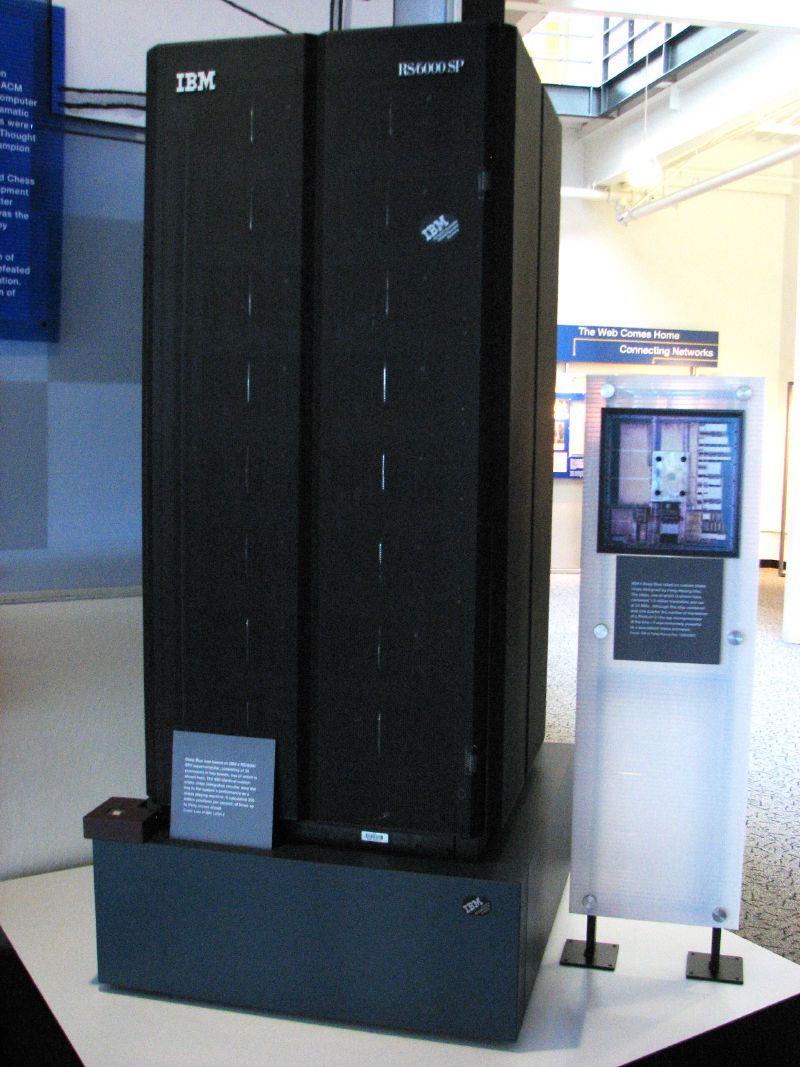
After losing to Garry Kasparov in 1996, IBM doubled Deep Blue's speed and taught it to bide its time before opening a file. In May 1997 it won.
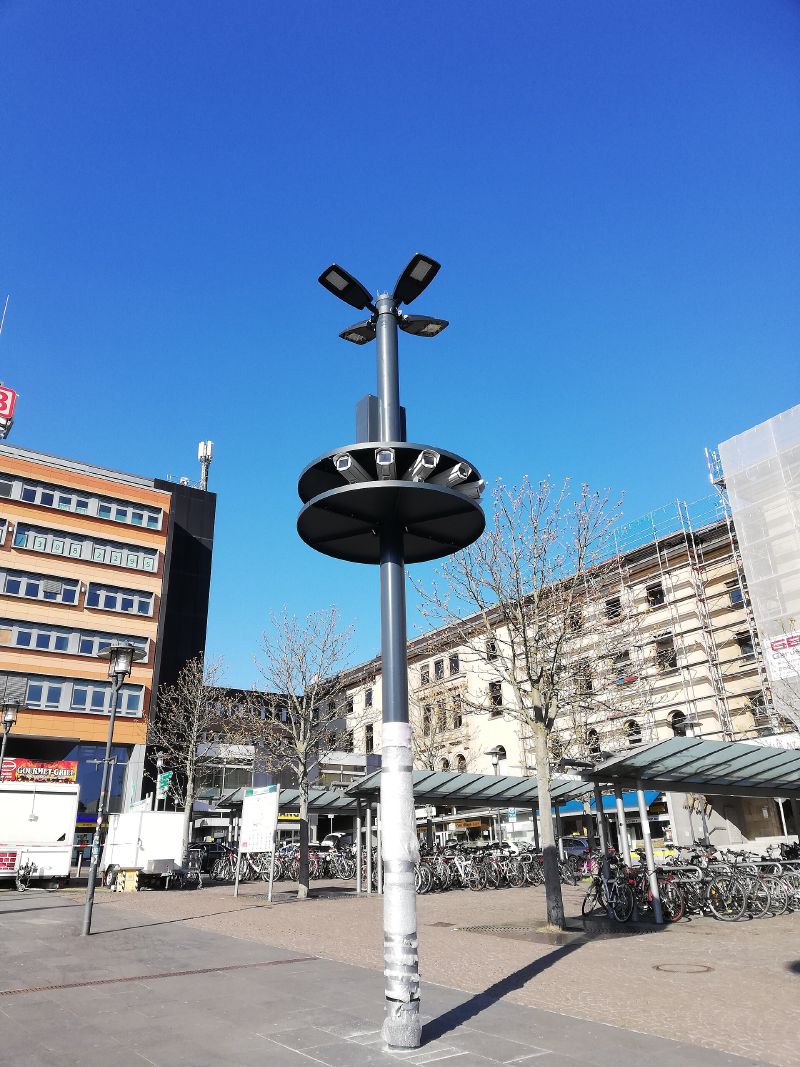
Flock plate cameras feed a shared police network. A Kentucky officer used it to track his ex-girlfriend, and a Texas detective to hunt a woman over abortion.
There is no single best AI. Testers who compare notetakers, chatbots, or raw models each crown a different winner, and the field moves too fast to settle.
Facebook's engineers had a working Like button ready by late 2007, but Mark Zuckerberg blocked it for two years while a smaller rival shipped one first.
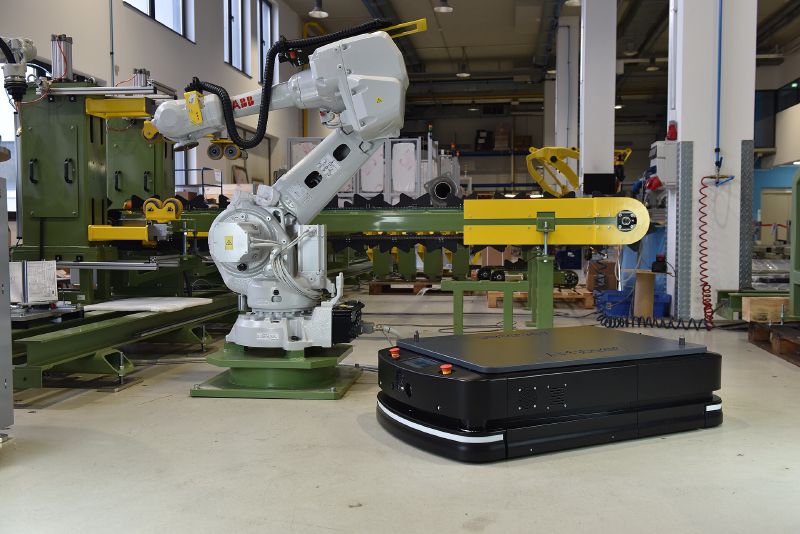
A warehouse robot spends its shift moving pallets, totes, and shelves under a routing system, while a person still handles most single items.
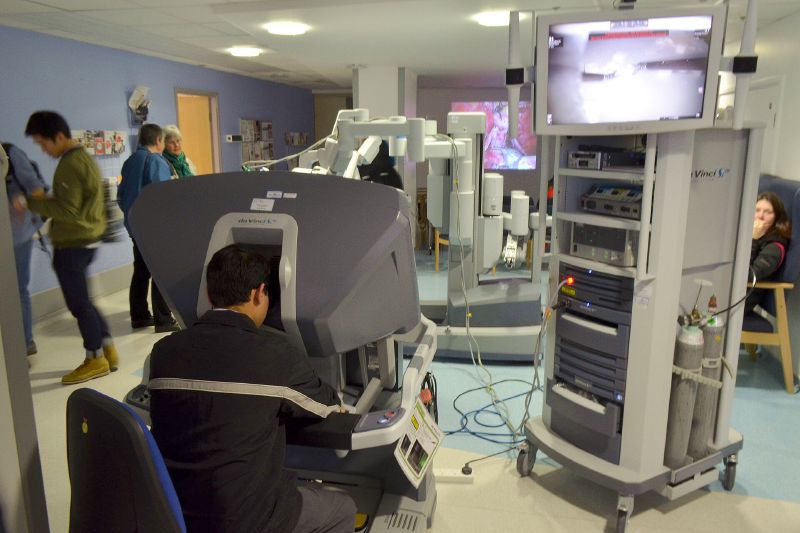
A surgeon drives the surgical robots used on patients today, from an NHS console to the labs training robots to work with less help.
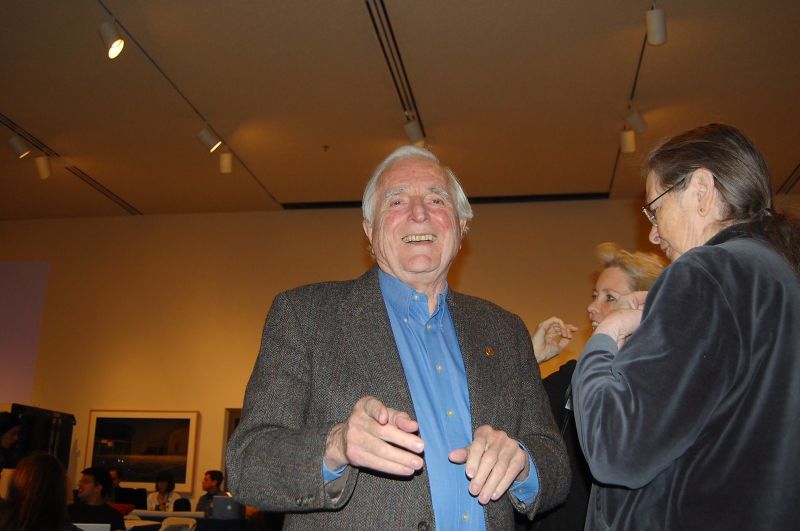
Douglas Engelbart's team at Stanford Research Institute tested a cannonball trackball, a joystick and a light panel. A wooden box on wheels beat them all.
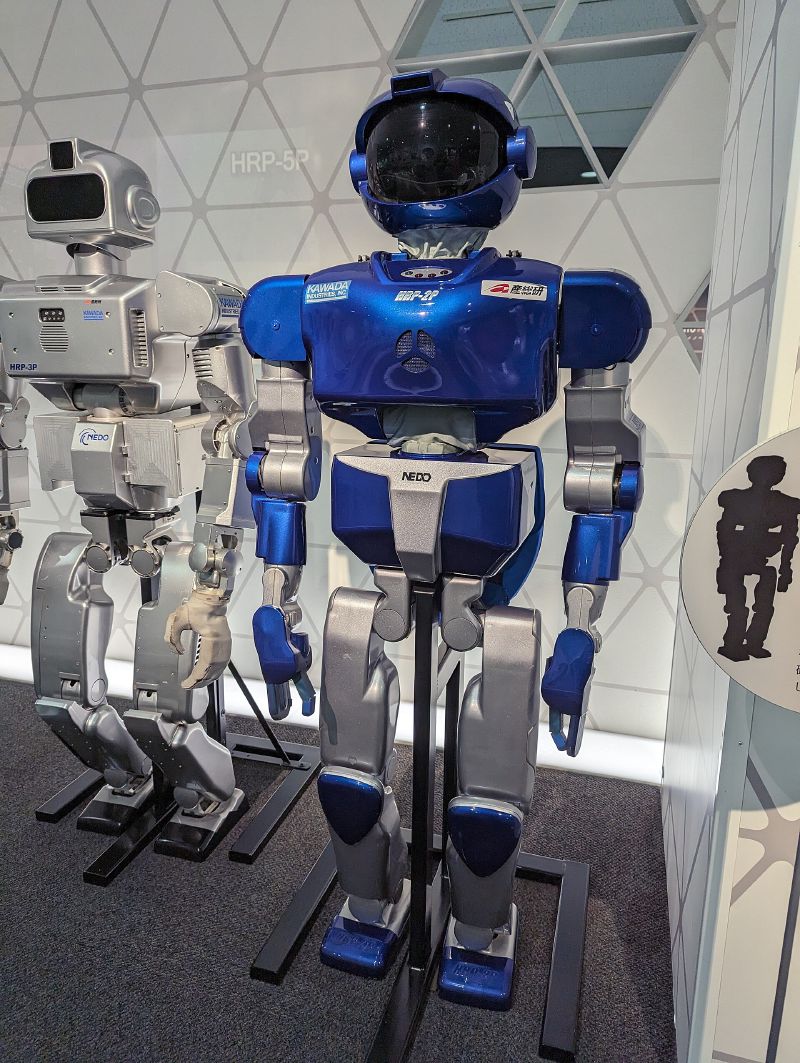
A humanoid must balance on two legs, match a human hand and learn from demonstration. Figure and Tesla are trying, and Rodney Brooks sees a bubble.
On Instagram, Restrict hides a person's comments from others and moves their messages to requests. They stop seeing when you are online and are never told.
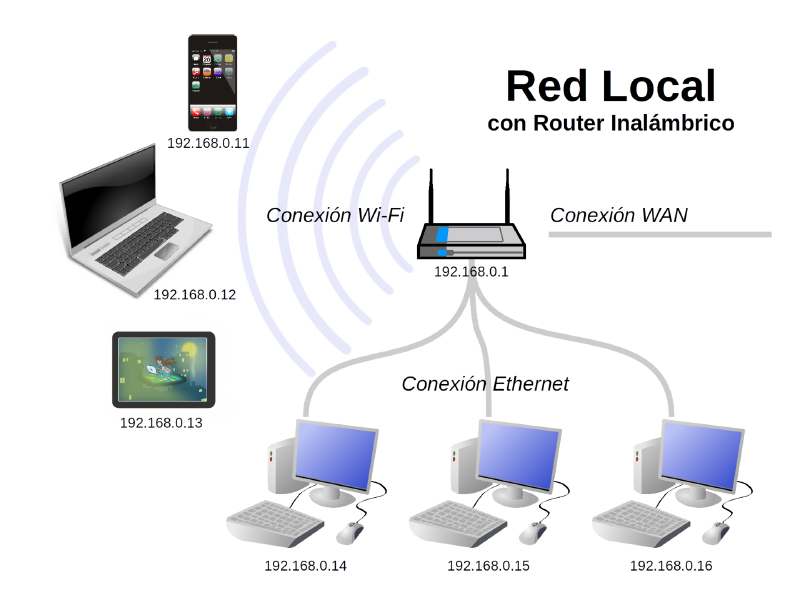
An IP address identifies your device to every site you visit, and reveals your provider and a rough location, never an exact one.
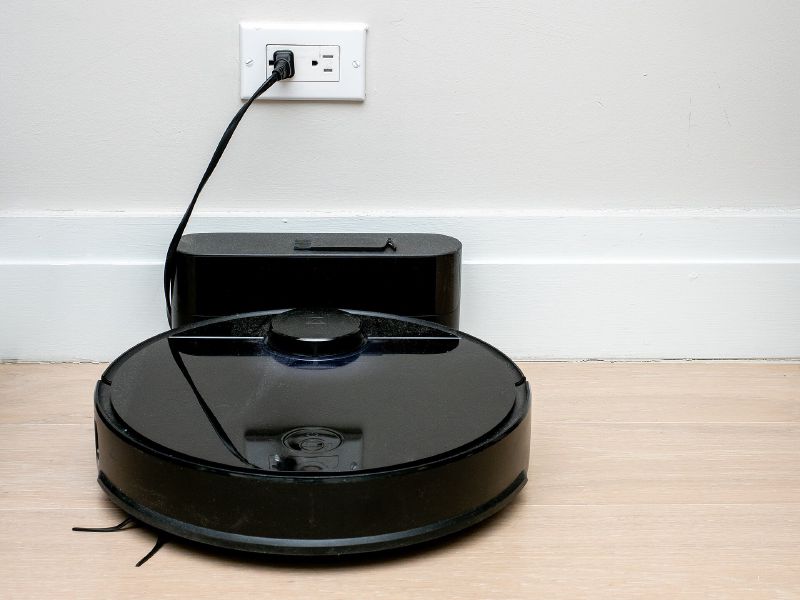
Robot vacuums tend to stall on the same few things: loose cables, raised rug edges, thick carpet and dirty sensors. Better navigation helps, but only so far.
A Harvard Law School centre reports AI cutting junior legal roles, yet the US Bureau of Labor Statistics still forecasts 4% growth in lawyer jobs.
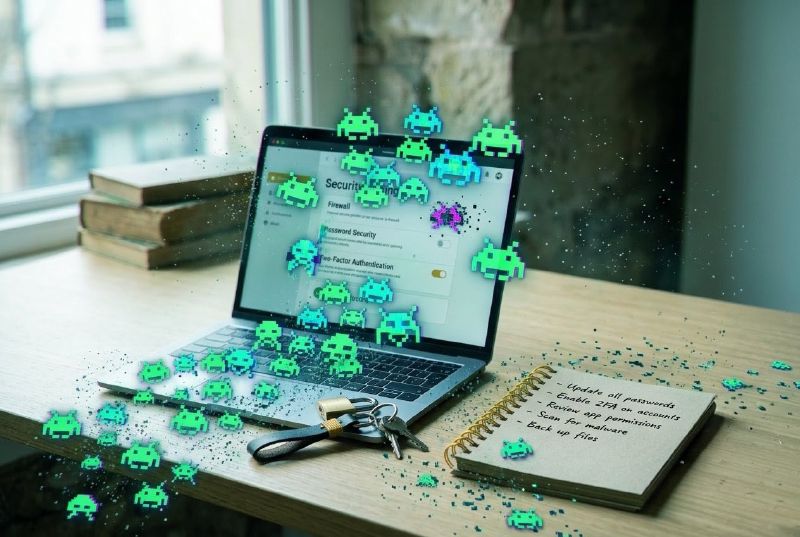
ZDNET names Bitdefender its top antivirus pick for 2026, but Microsoft advises against running a second antivirus alongside Windows Defender.
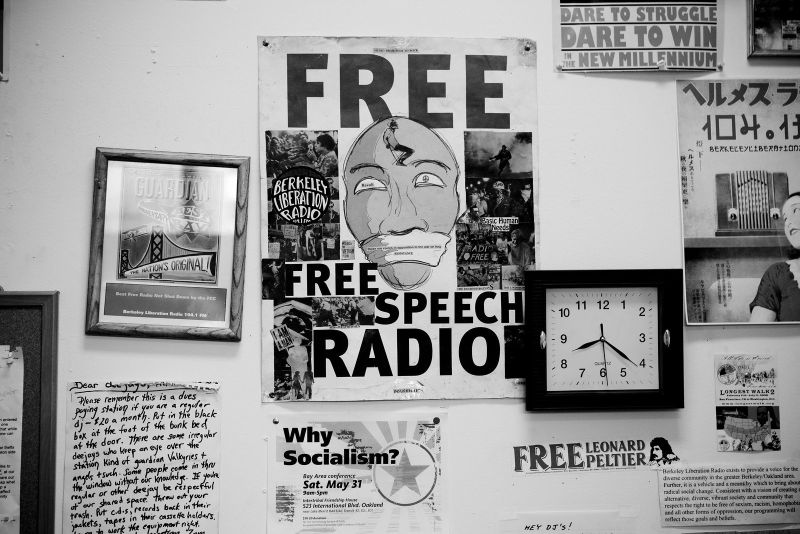
Pirate radio stations split the studio from the transmitter and hide aerials on rooftops. Raids and seizures have not always kept them off the air.
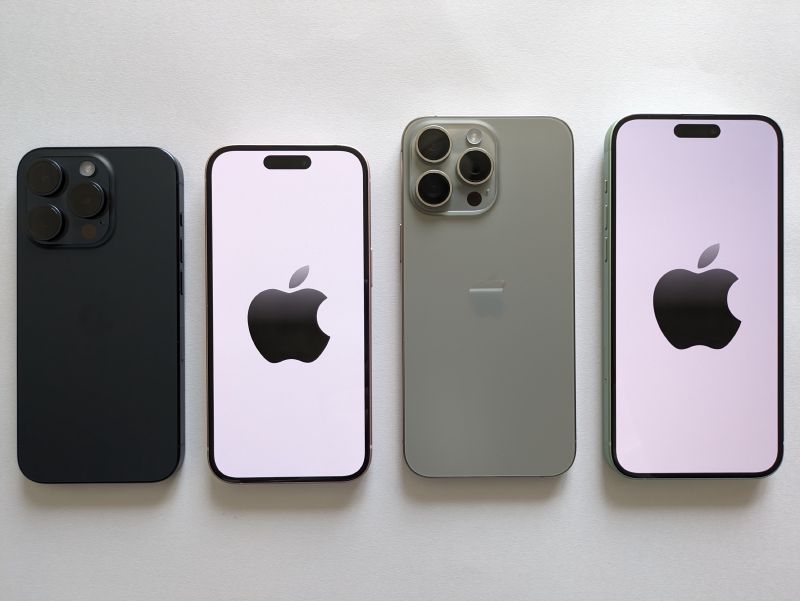
Apple's iPhone 18 Pro and Pro Max go on sale September 18. The foldable iPhone Duo follows on October 23, at new chief John Ternus's first launch.
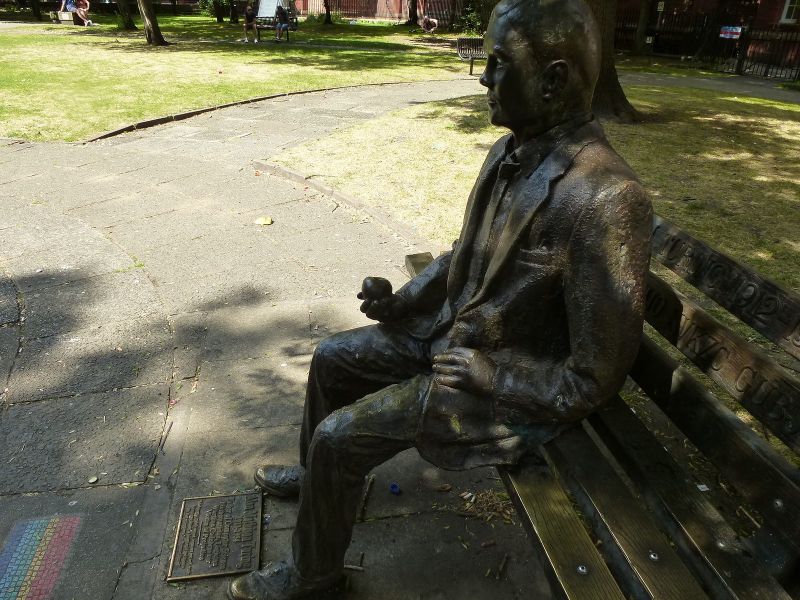
Alan Turing's 1950 imitation game asks a judge to tell human from machine by typed questions. His own sample machine got a sum wrong.
Clearing a cache slows one page load, but clearing cookies signs you out everywhere. Steps for four browsers, an iPhone, and one misbehaving app.
Job postings for generative AI skills rose 1,848% in 2023, and companies short of engineers to hire are retraining the staff they already have.
Three Bell Labs scientists turned silicon into a 6% efficient solar cell in 1954, more than a century after the photovoltaic effect was first observed.
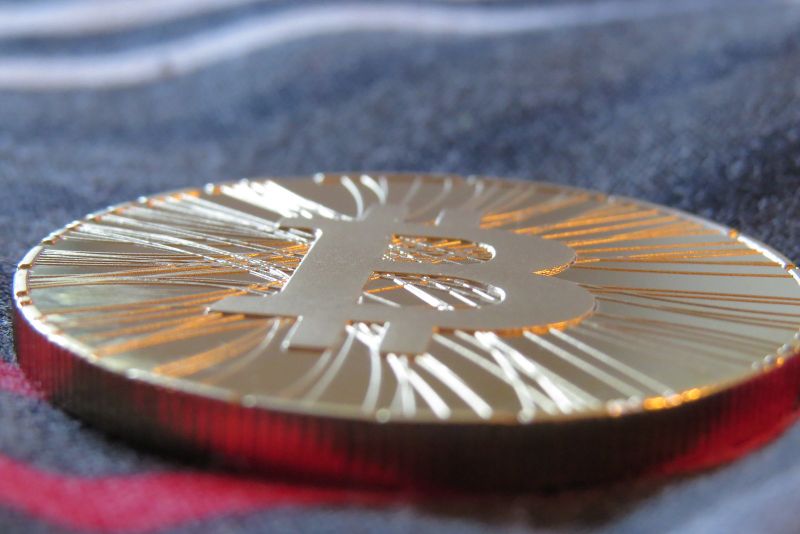
A miner with more than half a blockchain's computing power can build a longer chain, undo its own payments, and spend the same coins twice.
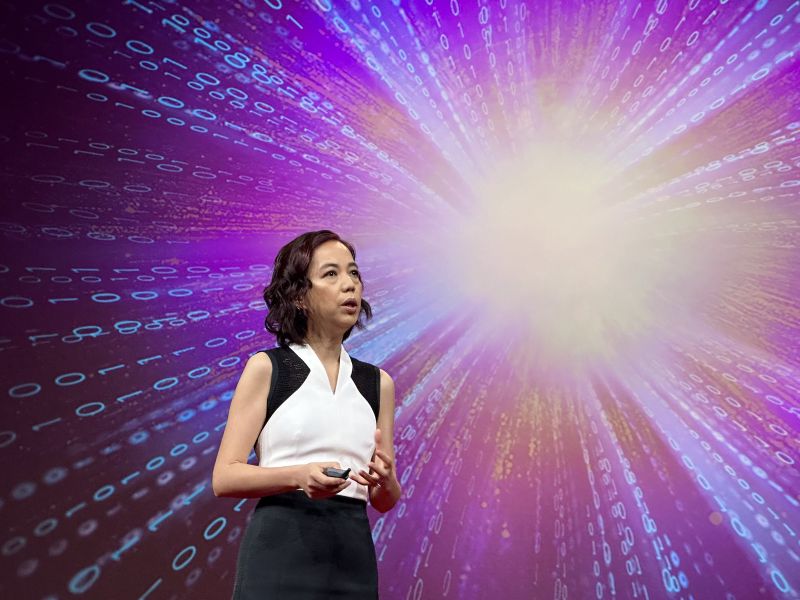
Colleagues told Fei-Fei Li her plan to label 14 million images went too far. Three years after its release, it helped set off the deep learning boom.