From Show Boat to Hamilton: how songs began to tell stories
Kern and Hammerstein, Sondheim, Lloyd Webber and Miranda turned Broadway and West End songs into storytelling. How they did it, and eight shows to see.
The lights go down.
Stages, scripts and the live performances that happen once and never again.
Kern and Hammerstein, Sondheim, Lloyd Webber and Miranda turned Broadway and West End songs into storytelling. How they did it, and eight shows to see.
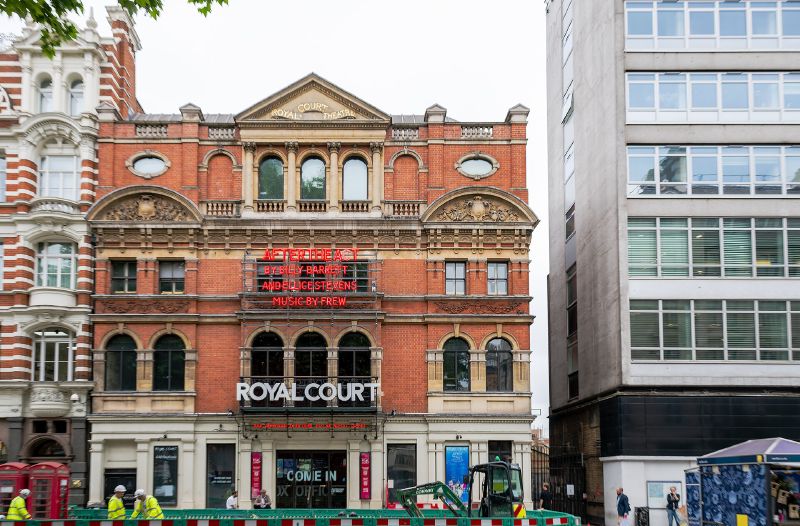
Look Back in Anger began as one script in a pile at the Royal Court. Delaney, Wesker and the films came after. Includes a starter guide of nine works.
A Portland scream park plans year-round and avoids scaring guests too far. A Chicago puppet haunt gives each of six rooms to different artists.
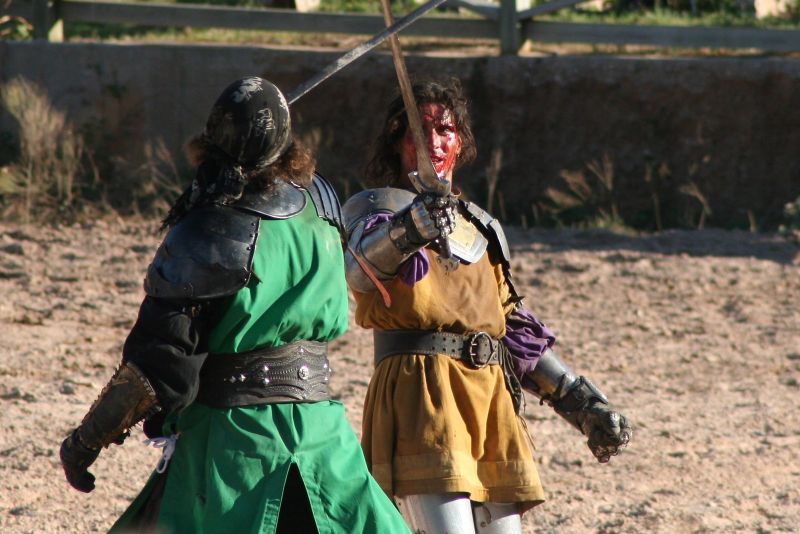
Shakespeare often writes only that characters fight, so the fight director finds the story and sets every move so that both actors stay safe.
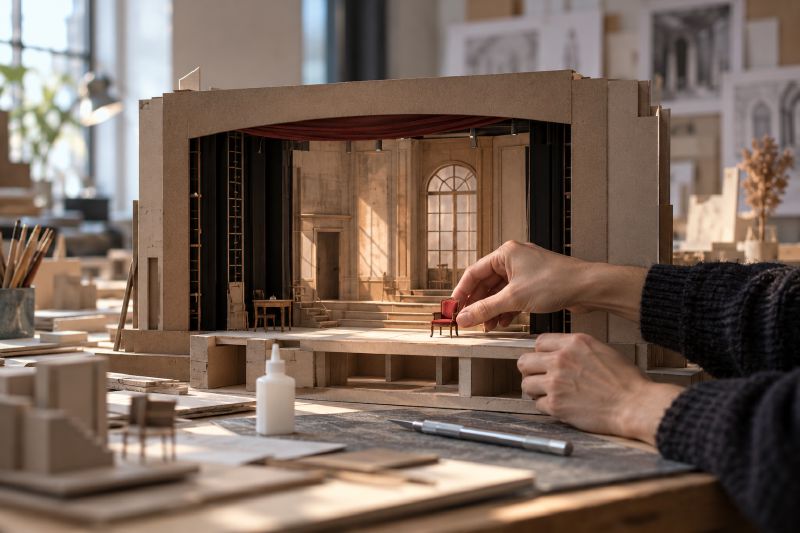
A model box is a scale version of a theatre set. It shows the director, builders and actors the stage before construction, and the RSC now has a digital one.
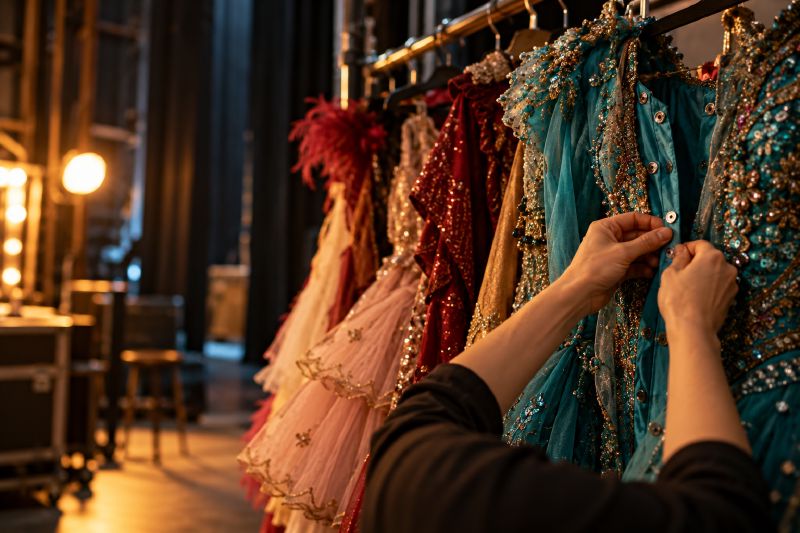
Broadway dressers snap layered costumes shut seam by seam, and club performers mend and wash theirs for years. Playbill and the Guardian went backstage.
A Broadway show recoups its backers only once weekly earnings beat its running costs, a bar few recent musicals have cleared.
Belarus Free Theatre is the only company in Europe prohibited on political grounds. Its members left Minsk for London, and kept staging work from there.
Lee Strasberg, teacher of Brando and Clift, reduced Konstantin Stanislavski's acting system to one idea, emotional truth, and called it the Method.
Rush seats cost $40 to $53 at the shows checked. Lotteries open the day before, and standing room goes on sale only for sold-out shows.
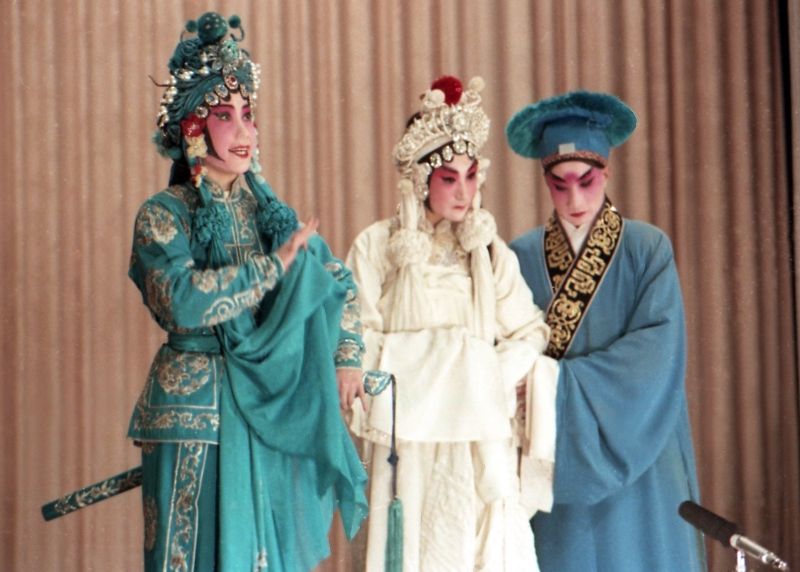
Peking opera casts every story from fixed role types, such as the sheng and the hualian. Performers train for years, then keep one type for life.