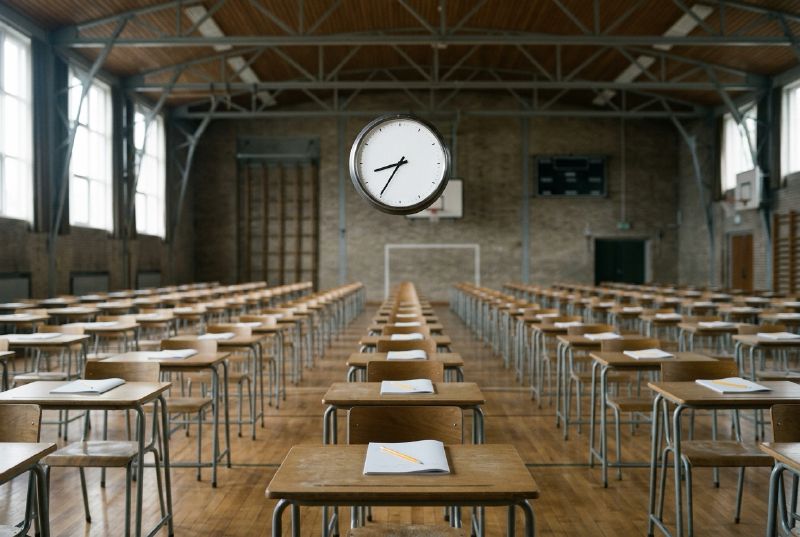
In the US, one exam can buy a pupil college credit
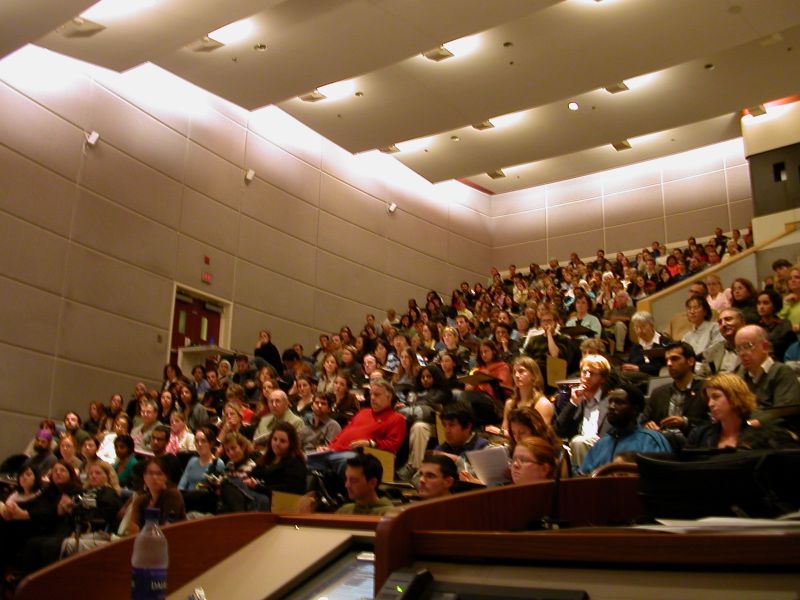
The US Advanced Placement programme lets high schoolers sit a college-level exam and trade a passing score for credit. It has run since 1956.
A world in motion.
A moment to understand it.
Every explainer in the edition.
The US Advanced Placement programme lets high schoolers sit a college-level exam and trade a passing score for credit. It has run since 1956.
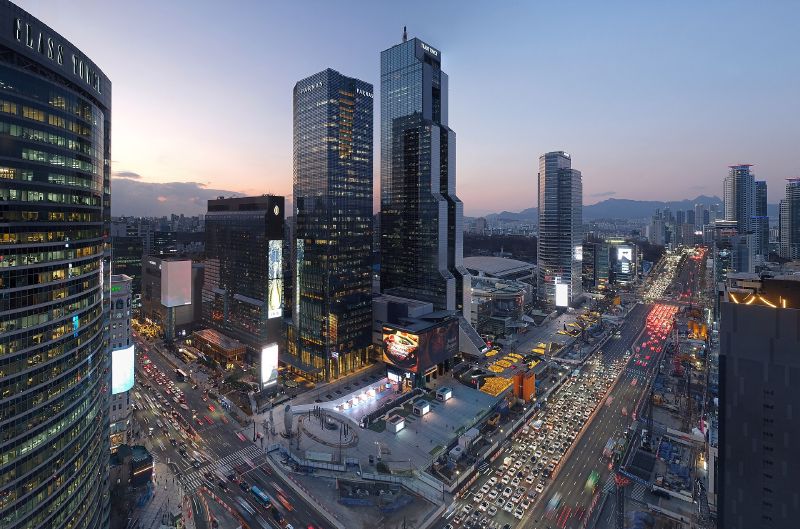
South Korea's 2018 law cut the legal week from 68 hours to 52. A Stanford study found more leisure spending, but rising health costs for precarious workers.
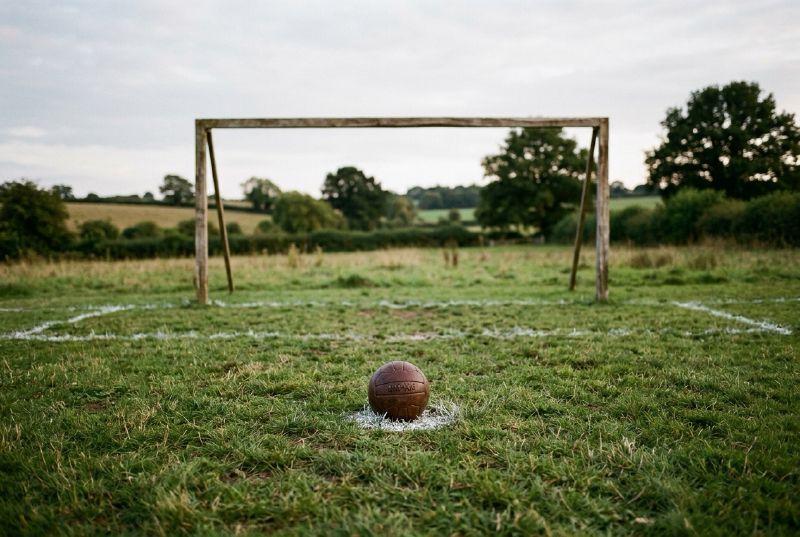
A Notts County defender's goal-line handball in an 1891 FA Cup tie broke football's belief that gentlemen never cheat, and helped force in the penalty kick.
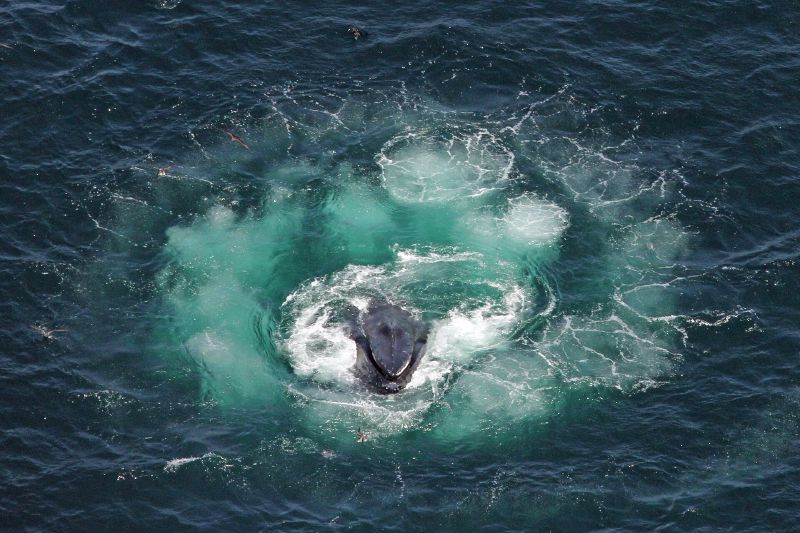
Humpbacks blow a rising curtain of bubbles to pen krill and fish, tune it as it tightens, and seem to learn the trick by watching other whales.
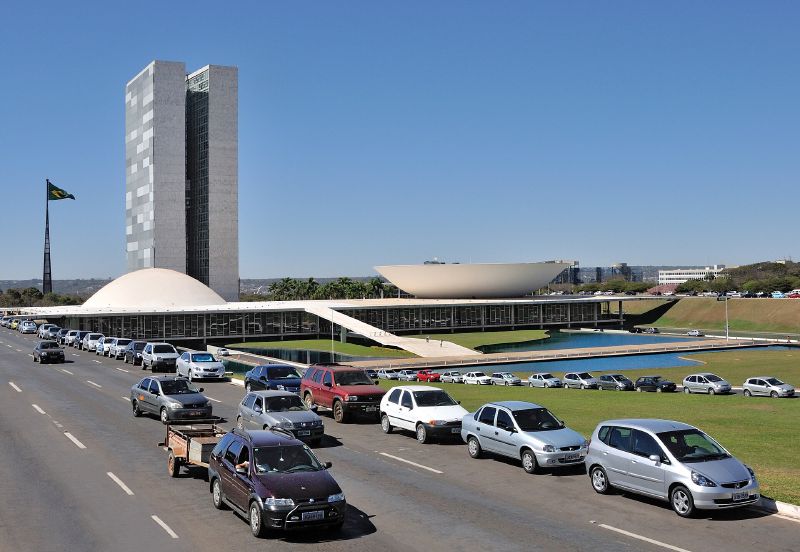
A capital promised by Brazil's new republic in 1889 waited 67 years. Then Kubitschek, Costa, Niemeyer and 30,000 workers built Brasília in three.
Perceptual narrowing starts at about six months, vowels first. By a first birthday, a baby tells apart mainly the sounds of the language spoken at home.
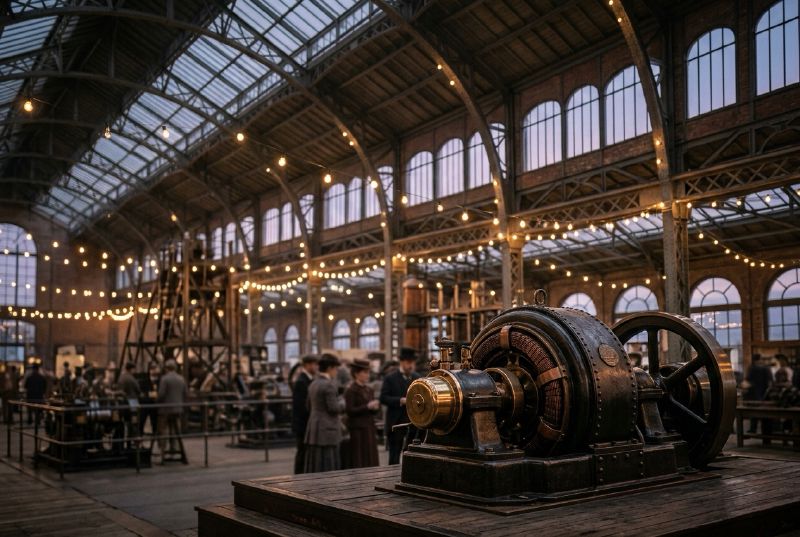
Westinghouse bid $399,000 against General Electric's $554,000 to light the 1893 Chicago fair, and the win helped settle the AC-DC rivalry.
Easter is the Sunday after the first full moon following the spring equinox. That rule took centuries, and in England a synod at Whitby, to settle.
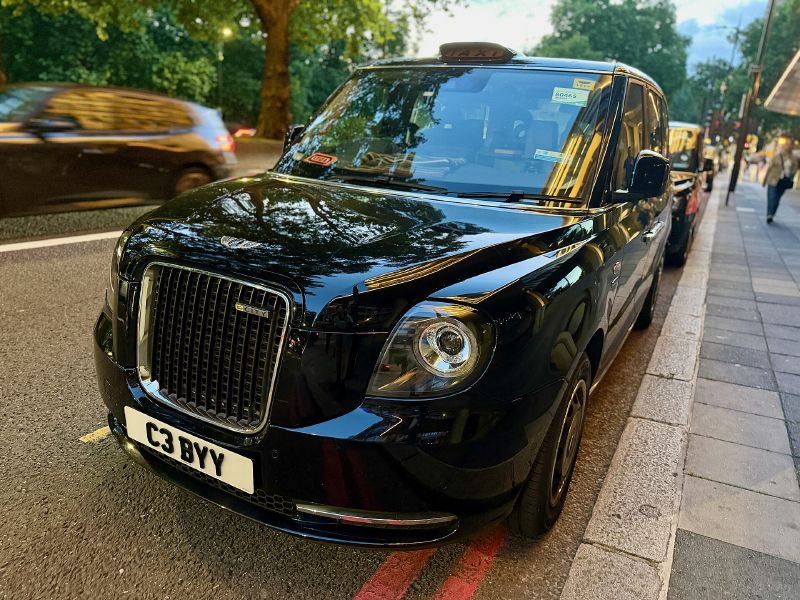
Trainee London cabbies who pass The Knowledge grow a larger posterior hippocampus. Those who fail do not, a UCL study of 79 trainees found.
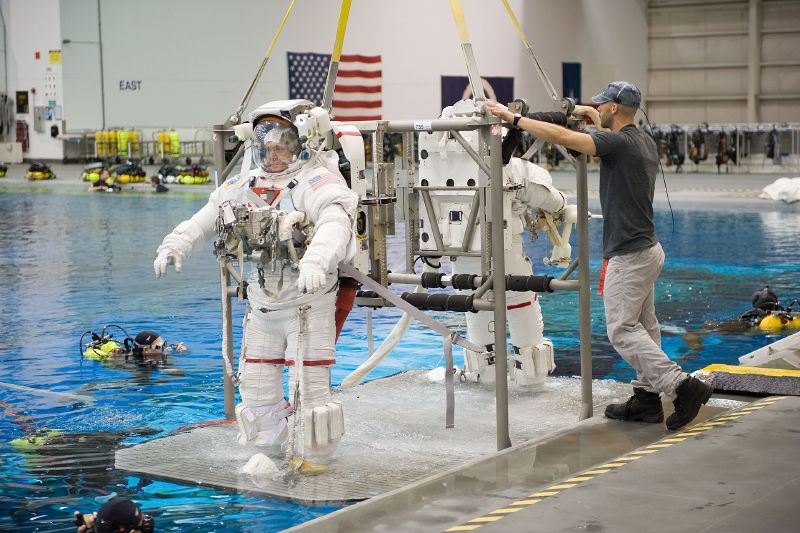
Astronauts rehearse a spacewalk underwater for about seven hours per hour outside, then spend the night before in an airlock adjusting to suit pressure.
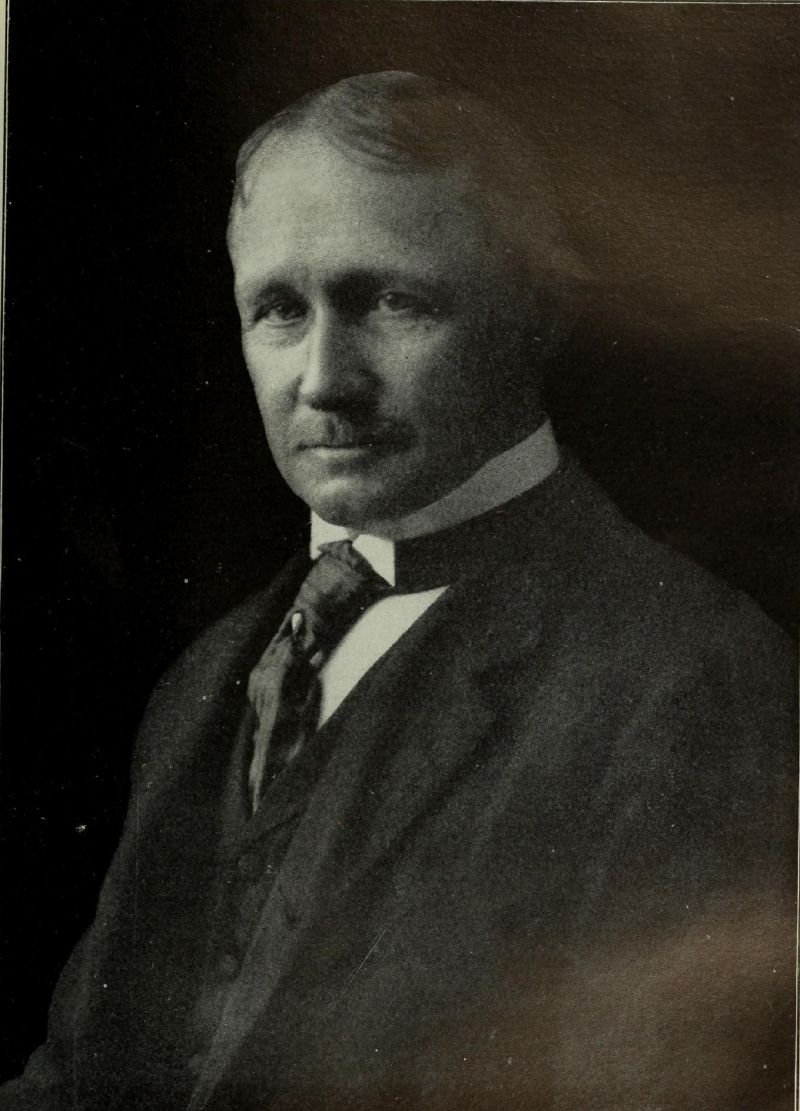
Frederick Taylor timed factory tasks to fractions of a minute and turned the results into scientific management, a system that made him famous and hated.
The Bauhaus lasted from 1919 until the Nazis shut it in 1933, yet its white walls, steel chairs and factory-made lamps still set what modern looks like.
There is no single best AI. Testers who compare notetakers, chatbots, or raw models each crown a different winner, and the field moves too fast to settle.
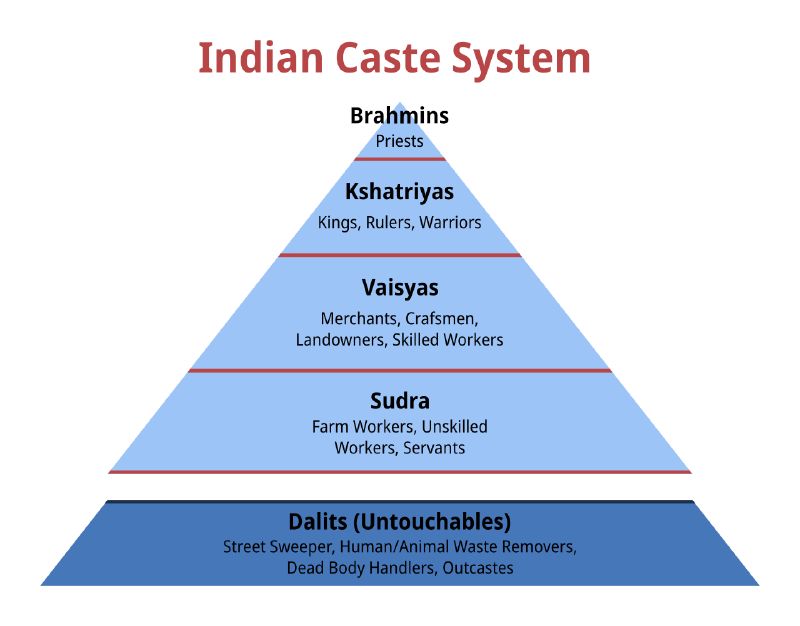
Caste still sorts India's job market and its marriages: a surname reveals caste to employers, and inter-caste marriage stays rare.
No single authority draws the International Date Line, so nations near it pick whichever side keeps their own calendar in one piece.
Facebook's engineers had a working Like button ready by late 2007, but Mark Zuckerberg blocked it for two years while a smaller rival shipped one first.
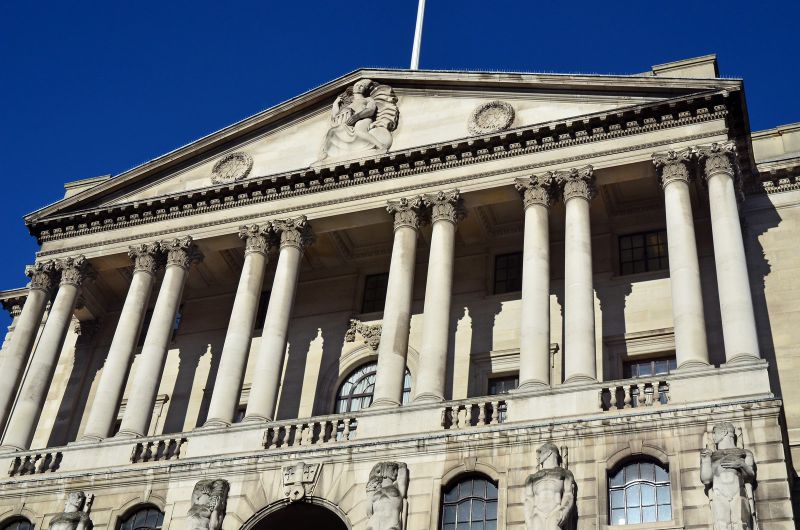
A rate rise makes debt dearer months before it slows prices, and the squeeze lands on borrowers and renters long before it reaches anyone else.
Grief has no fixed timetable. Many people never move through the five stages, and expecting grief to end on time causes its own pain.
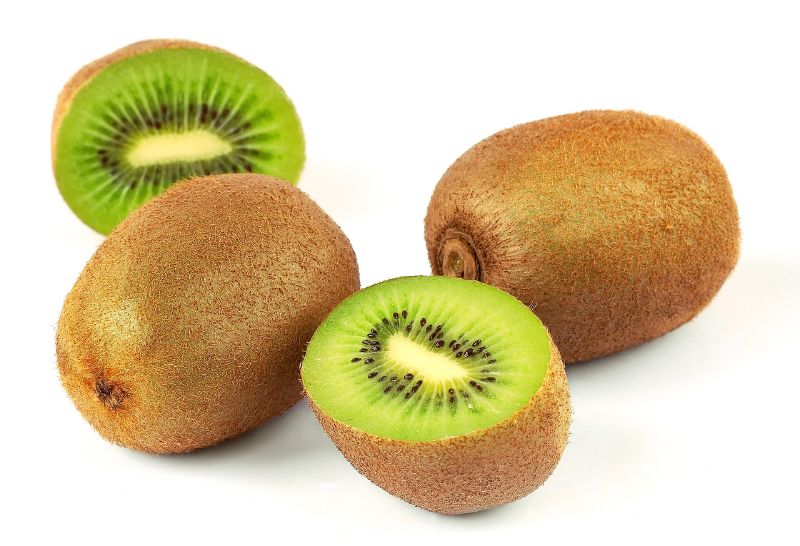
Kiwi skin is edible and adds fibre, vitamin E and folate, though a history of kidney stones is reason enough to peel it.
A league table averages a whole institution. The course you want, its entry threshold and your own circumstances decide more than that average does.
China's civil service exam ran from the Tang dynasty to 1905, testing millions on Confucian classics, with about one in a hundred winning a post.
A wartime committee recommended abolishing England's Higher School Certificate in 1943. Its replacement, the A-level, arrived in 1951 and is still sat today.
A click beetle stuck on its back loads a latched hinge behind its head, then lets it snap. That throws it into the air, with little control over the landing.
An Ofsted grade doesn't come from one classroom visit. It comes from a planning call, six tracked pupils, and evidence built across the whole inspection.