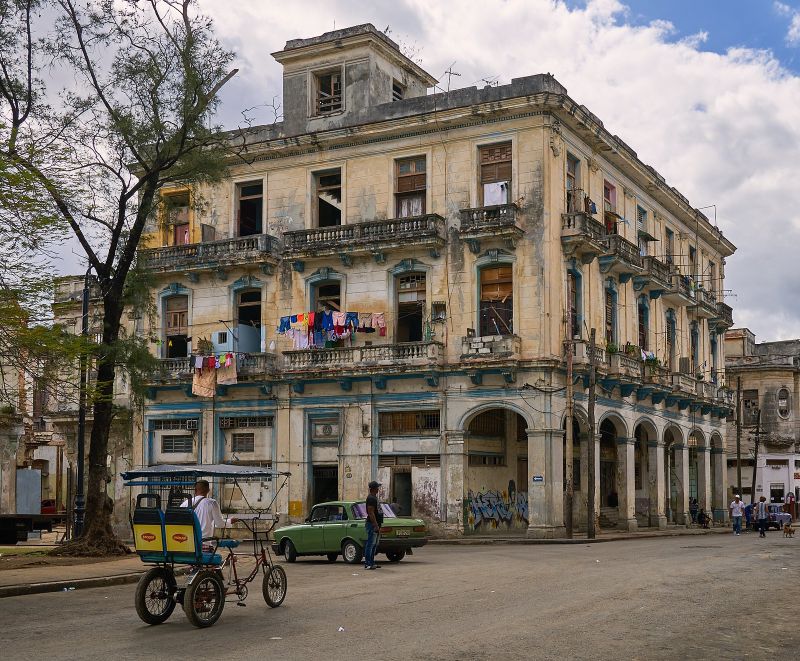
In 1961, Cuba sent volunteers to teach a million adults to read
Many of the volunteers were teenagers who lived with rural families. By the end of 1961, about 75% of the million adults had basic literacy.
A world in motion.
A moment to understand it.
Every explainer in the edition.
Many of the volunteers were teenagers who lived with rural families. By the end of 1961, about 75% of the million adults had basic literacy.
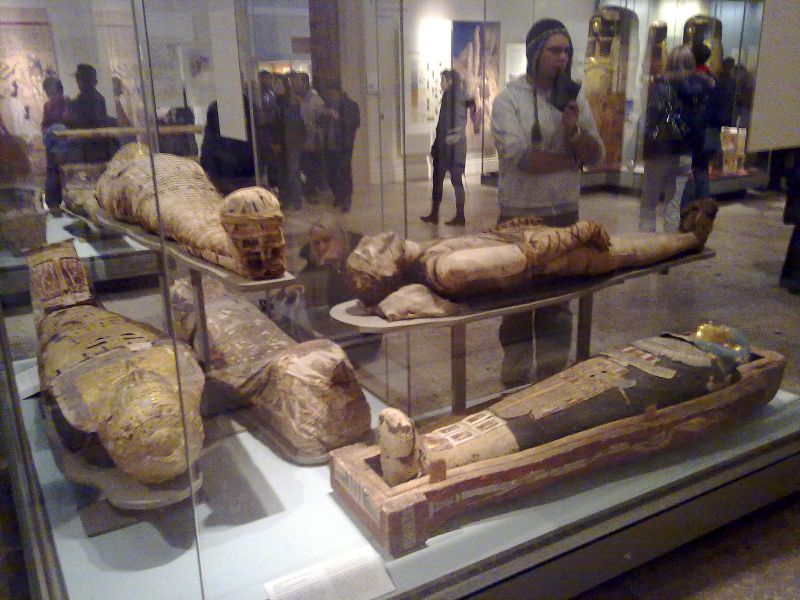
CT scanners let researchers see inside a wrapped mummy in cross-section, revealing bones, teeth, amulets and embalming tools without cutting the wrappings.
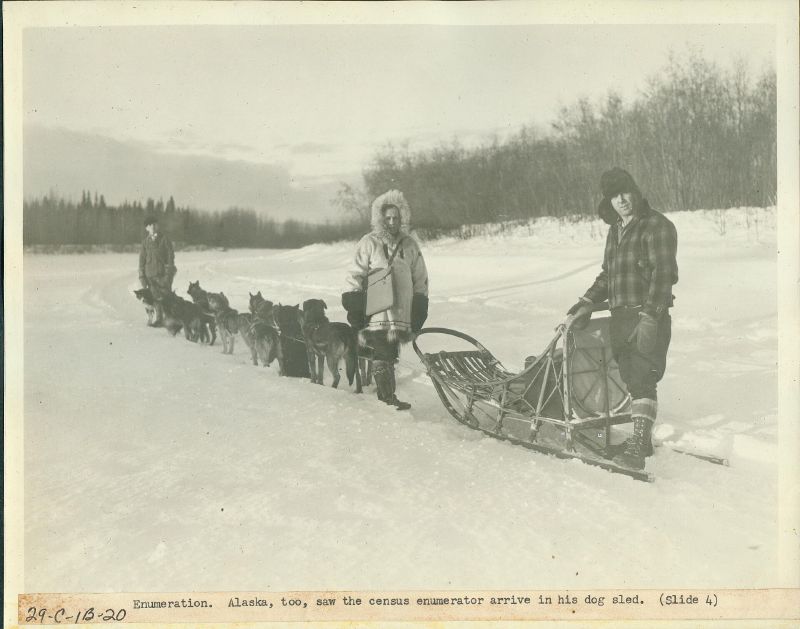
A census counts every resident against one fixed date, then a separate survey checks how many the count still missed, and where.
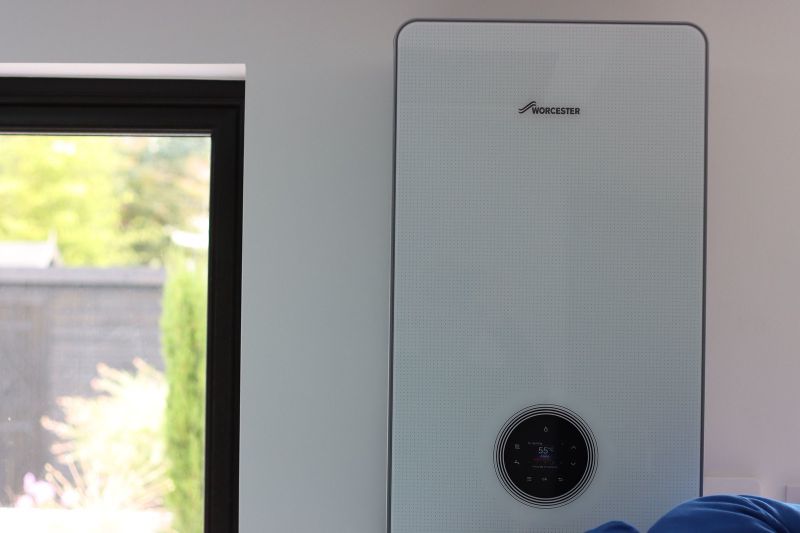
A combi boiler connects to the mains and heats water the moment a tap opens, with no cylinder to fill, top up or wait to reheat.
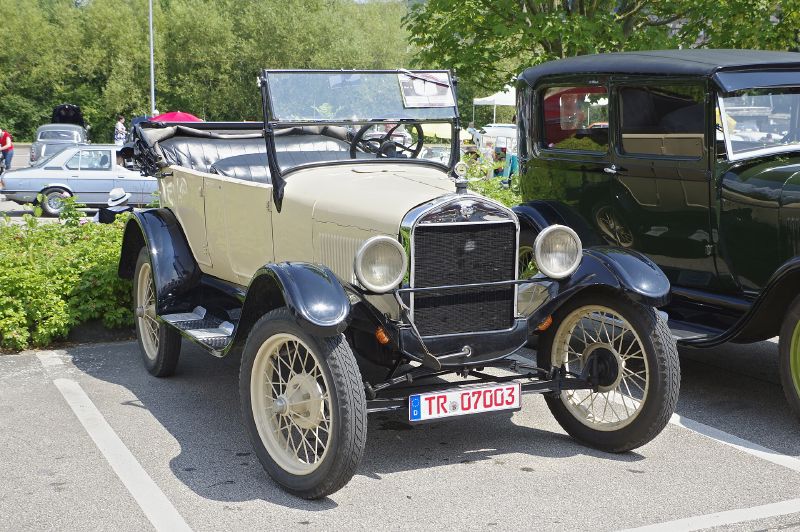
Ford cut assembly from twelve and a half hours to about 90 minutes in 1913. One car design, identical parts and 84 single-step jobs made it possible.
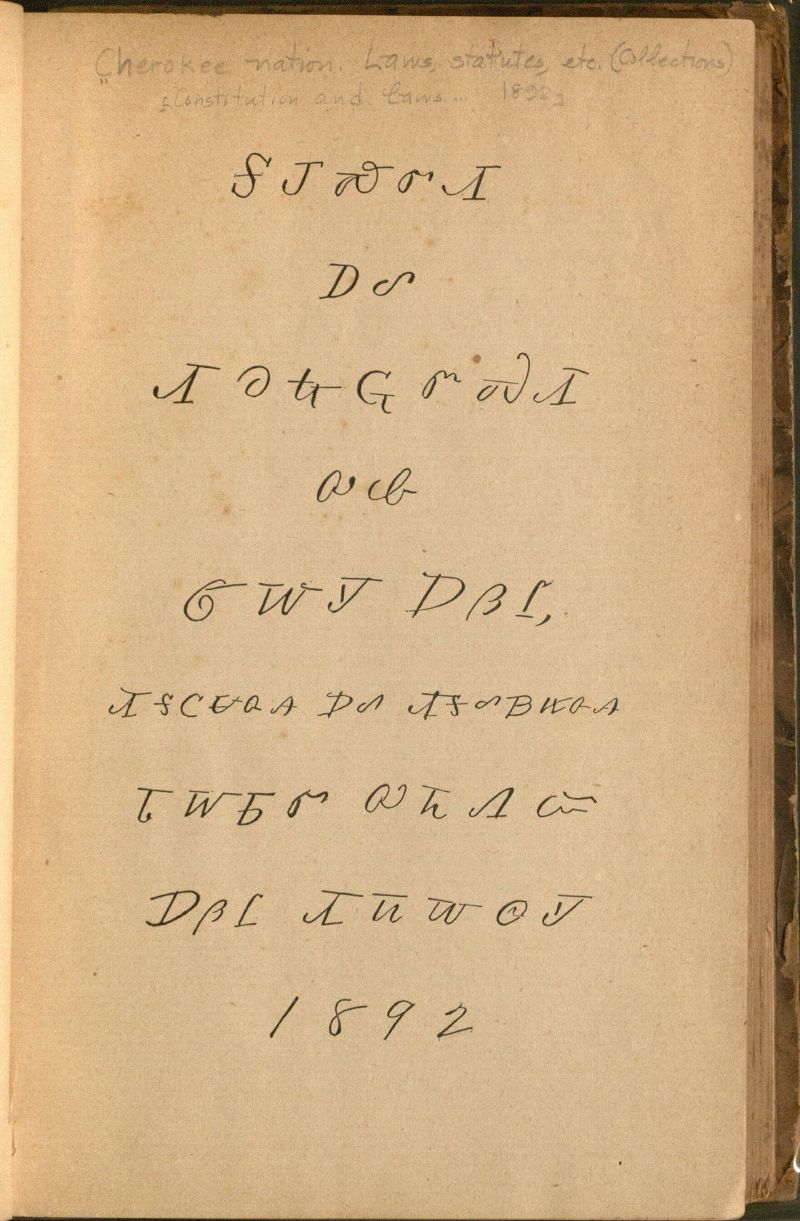
Sequoyah built the Cherokee syllabary from the language's own syllables. The Cherokee Nation adopted it in 1825, and literacy reportedly rose fast.
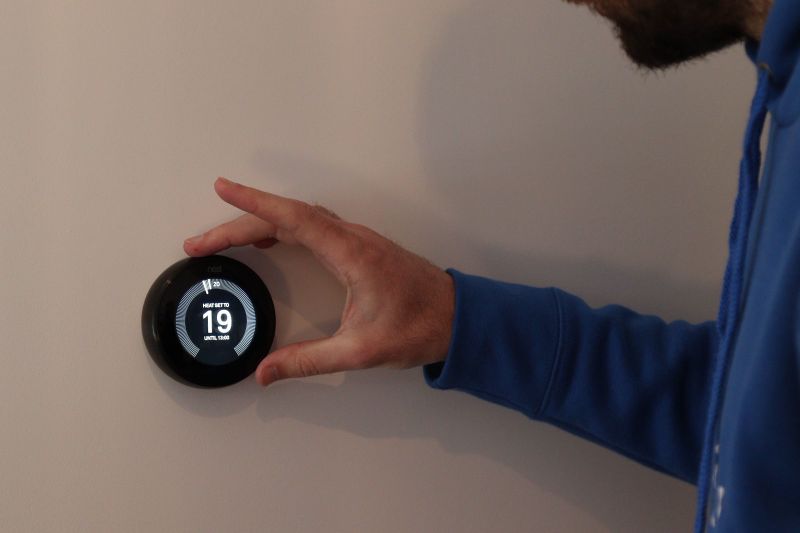
A smart thermostat learns a routine by copying the adjustments a household makes. The Heating Hub's Jo Alsop says geofencing drove Tado's 28% saving claim.
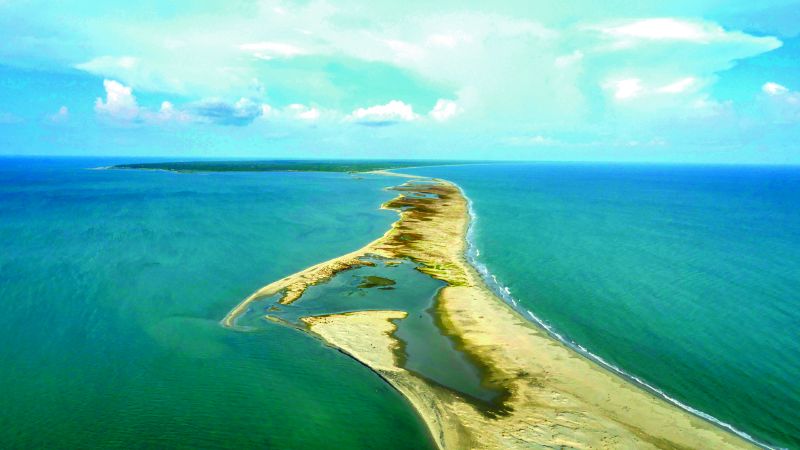
Adam's Bridge is a 29 km chain of shoals between India and Sri Lanka, almost all underwater, that NASA says people could cross on foot until the 15th century.
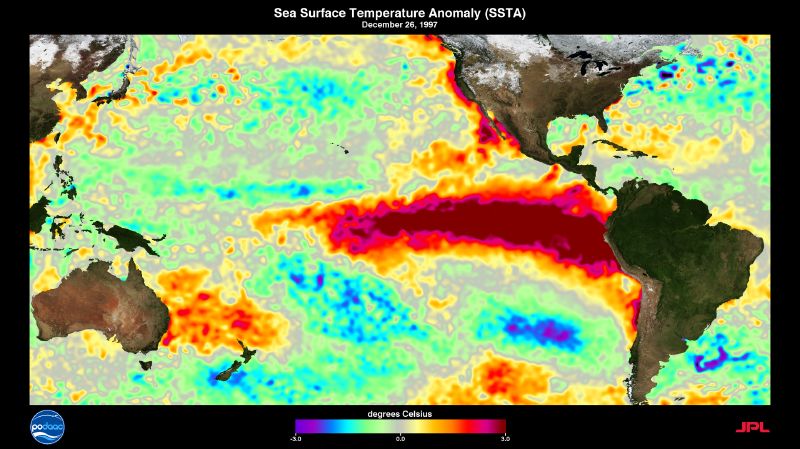
An El Niño is judged by how far the Pacific warms above normal. NOAA and NASA track it with buoys, floats and satellites, and 0.5C marks the start.
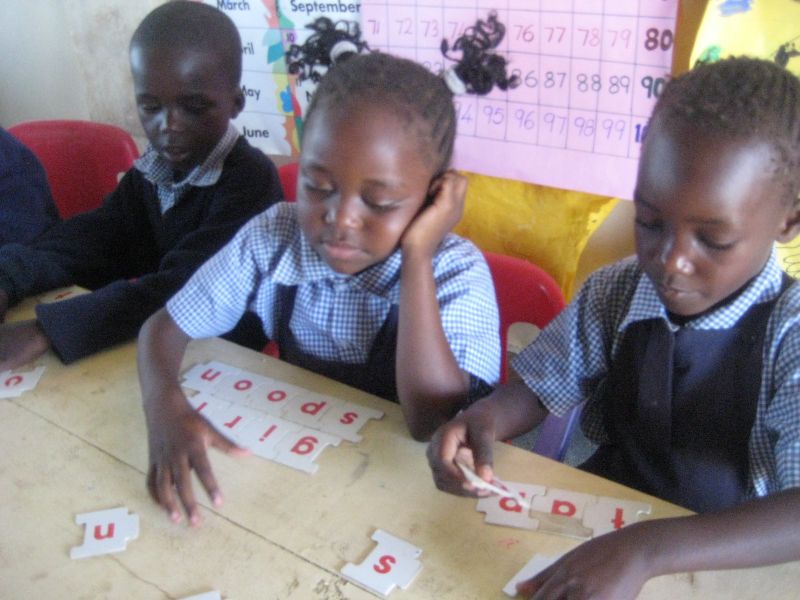
A phonics programme teaches a child to match letters to sounds, then blend those sounds together, starting with the letters used most often.
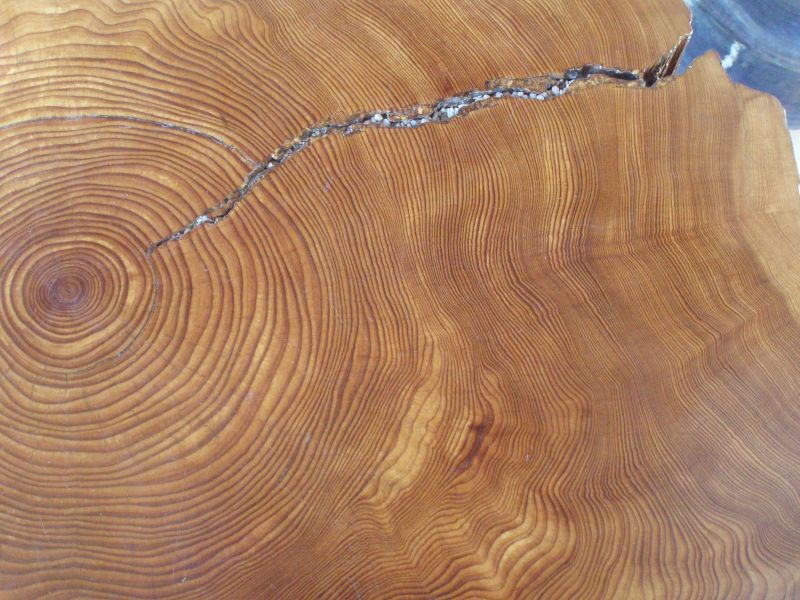
A tree lays down one ring a year, wide when the season is wet and narrow when it is dry. Matched across many trees, those rings date droughts to the year.
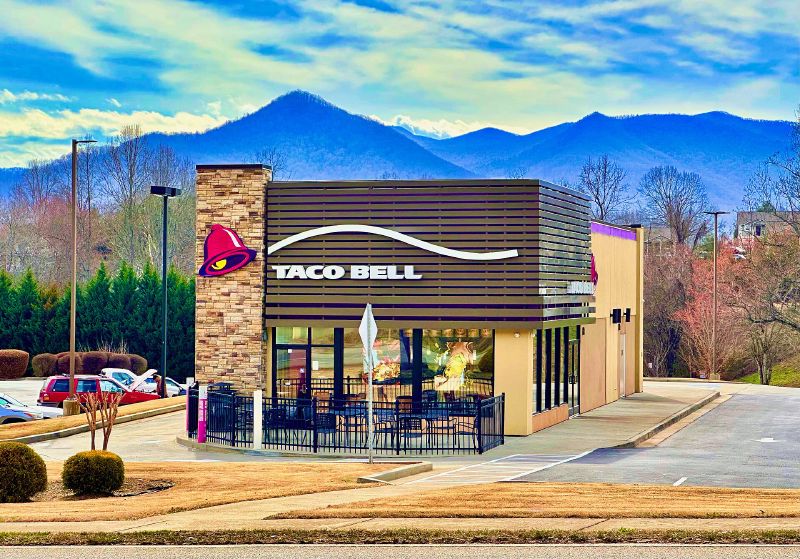
Taco Bell pulled the lettuce tied to a US Cyclospora outbreak in July. Food safety scientist Tamika D. Sims says there is no reason to avoid the chain now.
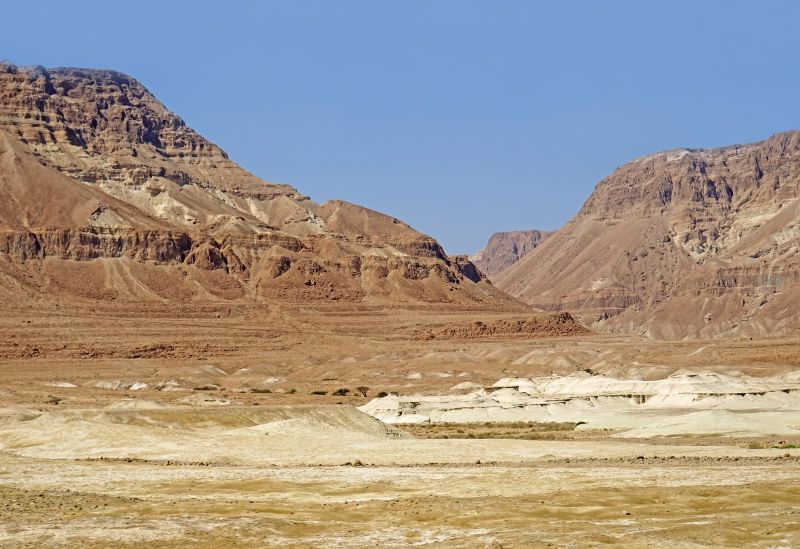
Columbia geologists found crust at a stage called necking under Kenya and Ethiopia. They suggest the Indian Ocean could follow in a few million years.
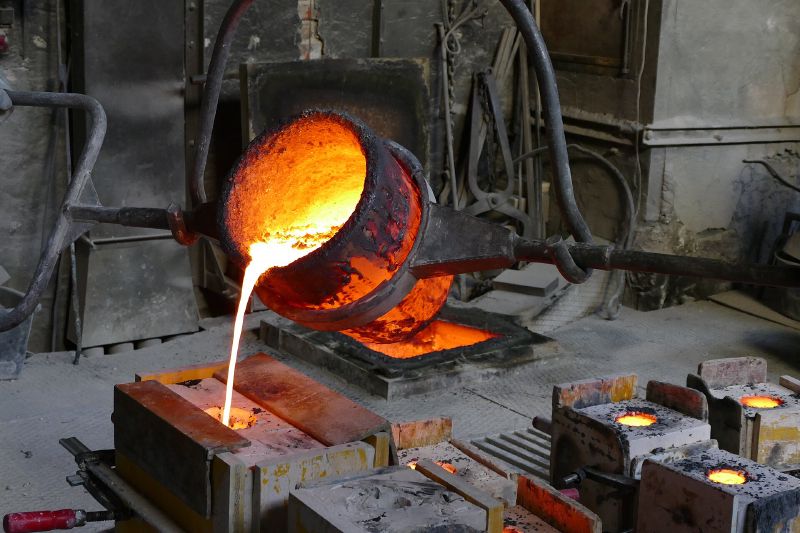
Wax is buried in a mould, melted out and replaced with molten bronze. The method runs from Benin's royal casters to Leonardo's unfinished horse.
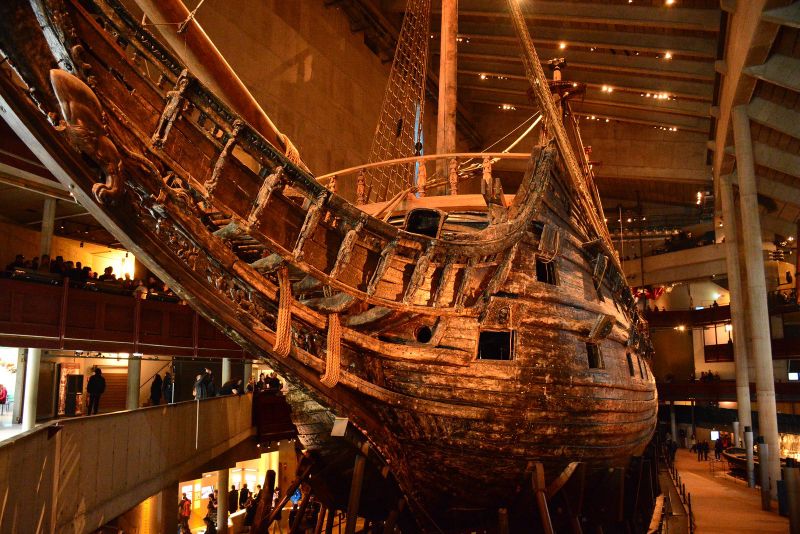
Engineer Anders Franzén found the wreck in 1956. Cold Baltic water had left an estimated 95% of the wood, so divers could lift the hull in 1961.
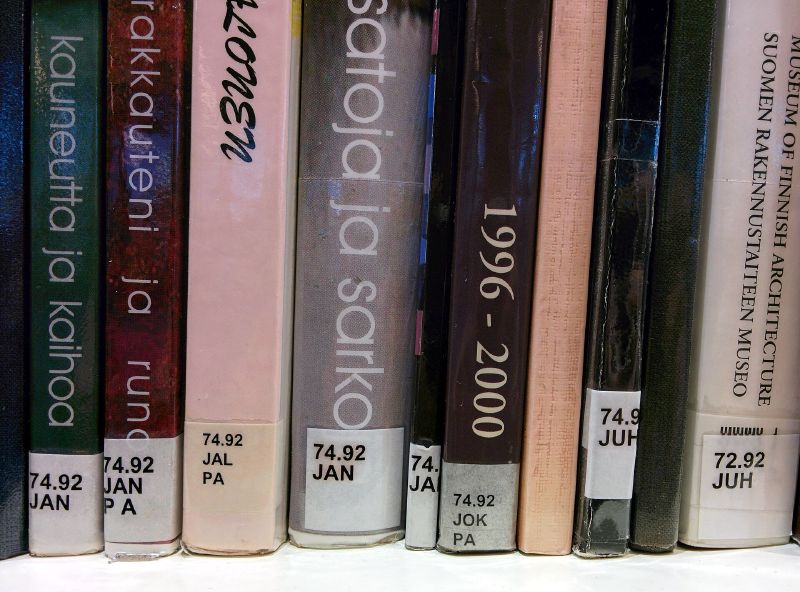
Melvil Dewey published the scheme in 1876. Ten classes of a hundred numbers sort a book by subject, and author letters settle ties on the shelf.
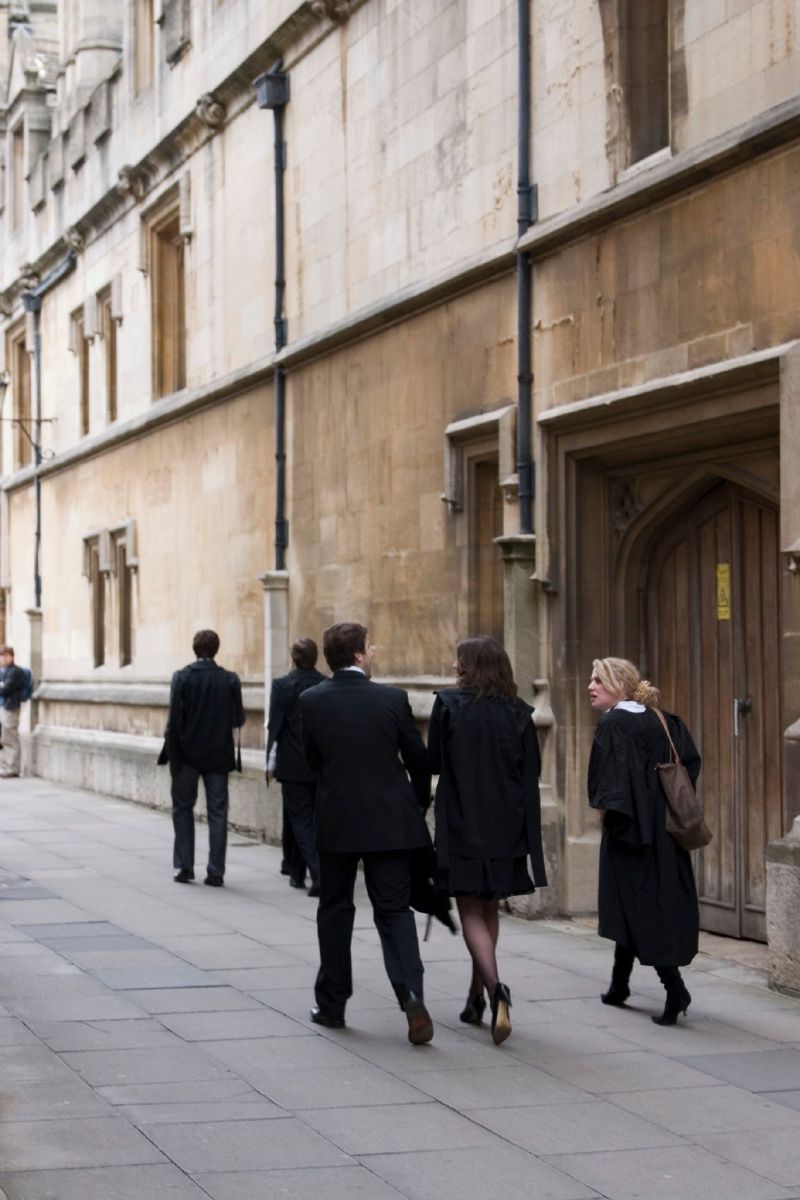
The Universities Tests Act of 1871 ended Oxford's religious tests, in place since 1581, and opened Oxford, Cambridge and Durham to all faiths.
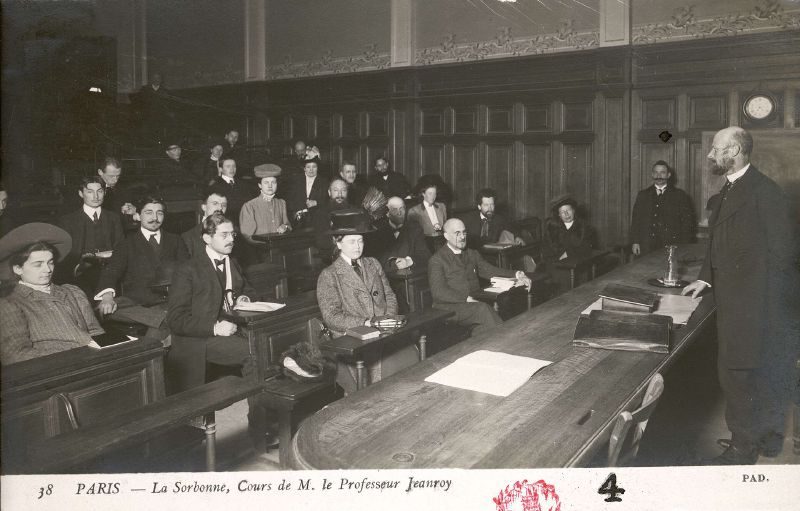
Robert de Sorbonne, a royal chaplain, opened a hostel for Paris students in 1257. Officially, the Sorbonne stopped being a university in 1970.
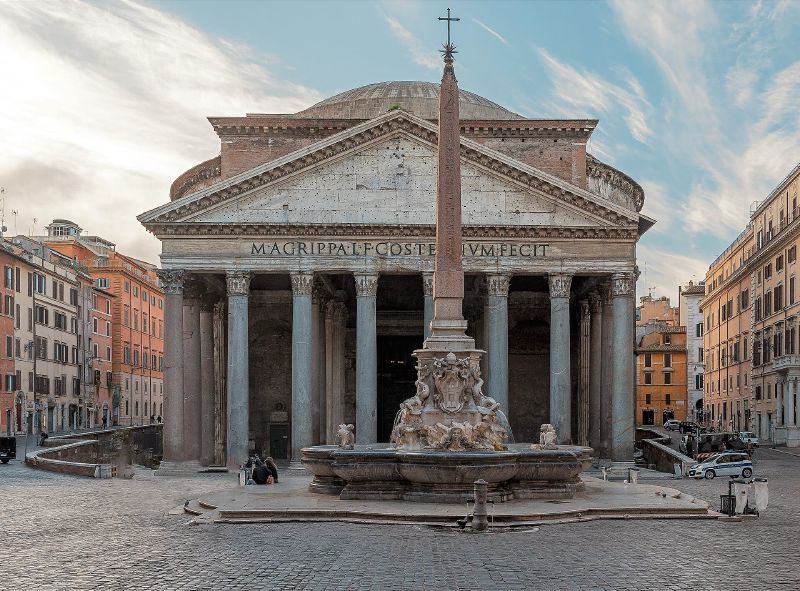
Rome's Pantheon has stood almost 1,900 years with no rebar, largely left alone. Graded concrete, a hollow crown and a self-sealing mix explain why.
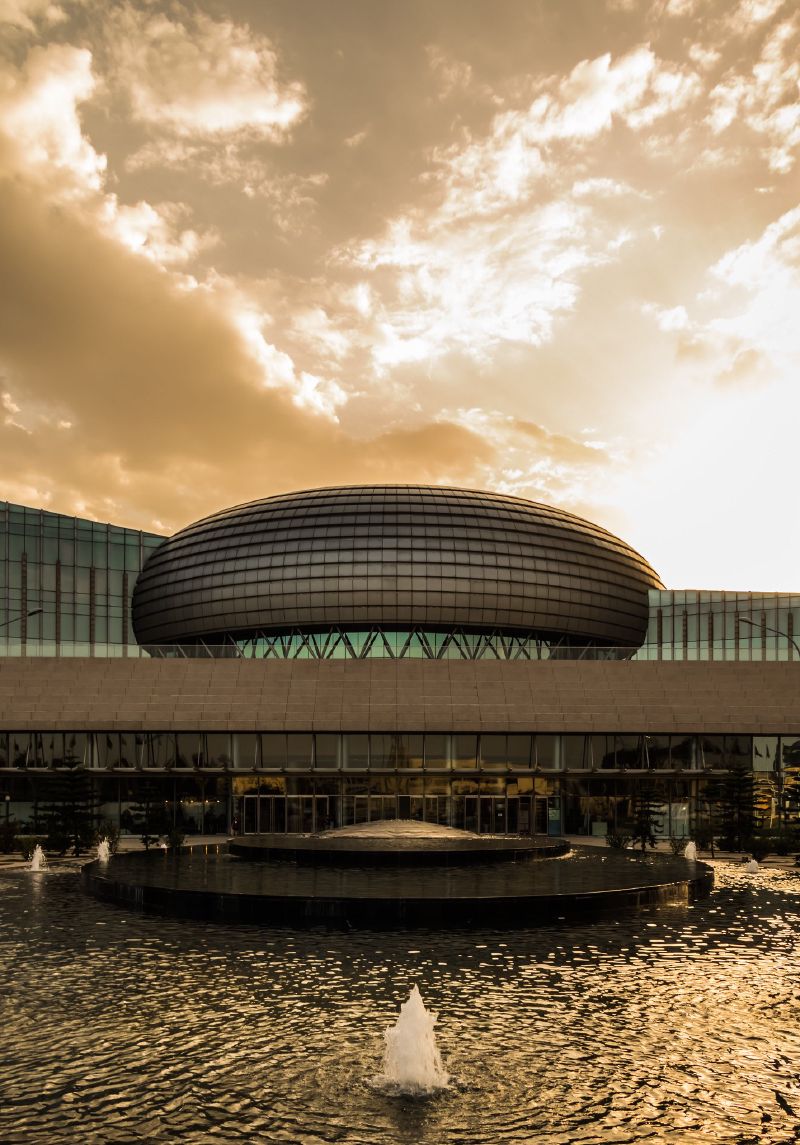
The African Union and its partners run ten peace operations. A UN official said in 2009 that their funding rests on the UN or a small pool of donors.
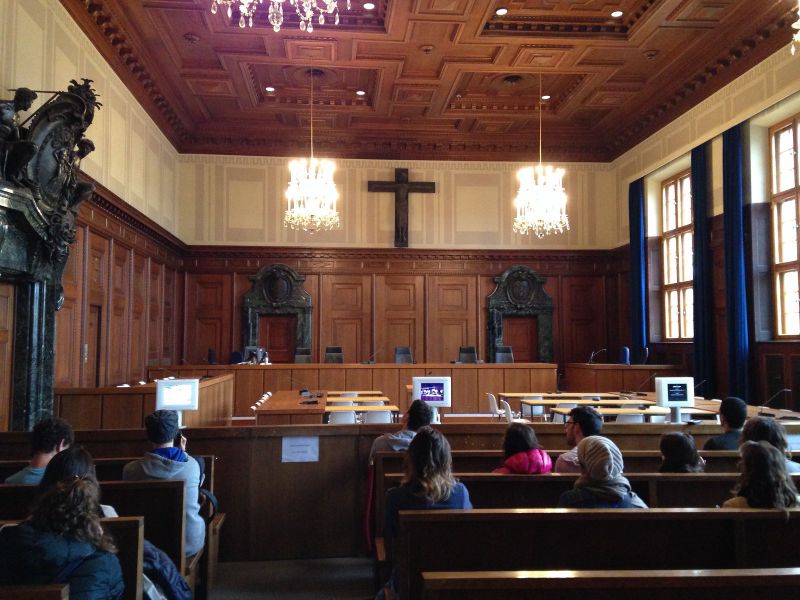
A system used at a 1927 labour conference ended up carrying Nuremberg's war-crimes trial live, in four languages at once.
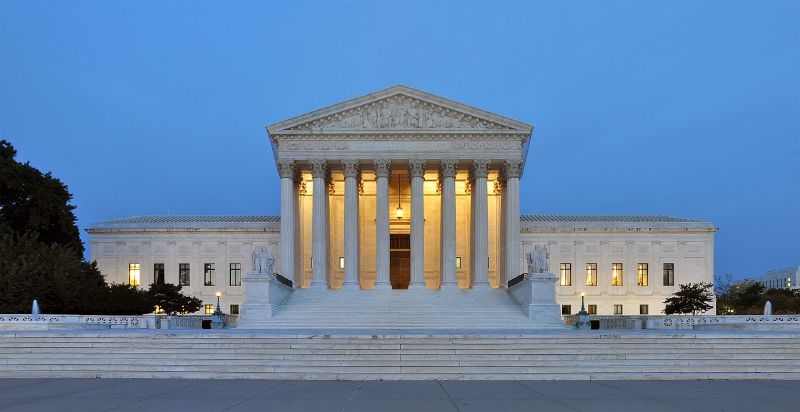
The Indian Child Welfare Act told US states to place a Native child with family or their tribe first. The Supreme Court upheld it in 2023.
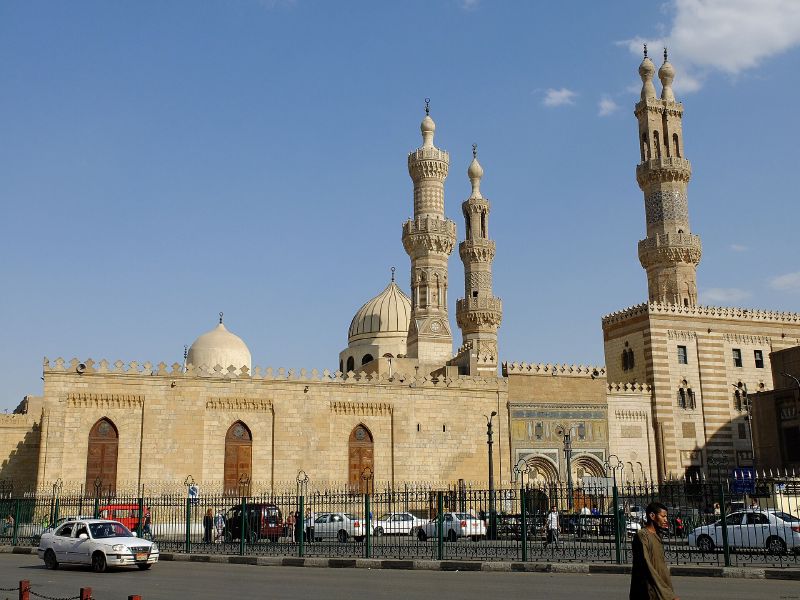
Al-Azhar began as a Fatimid mosque in 970. By 988 the state paid 35 scholars to teach there, and it later became a modern university in Cairo.
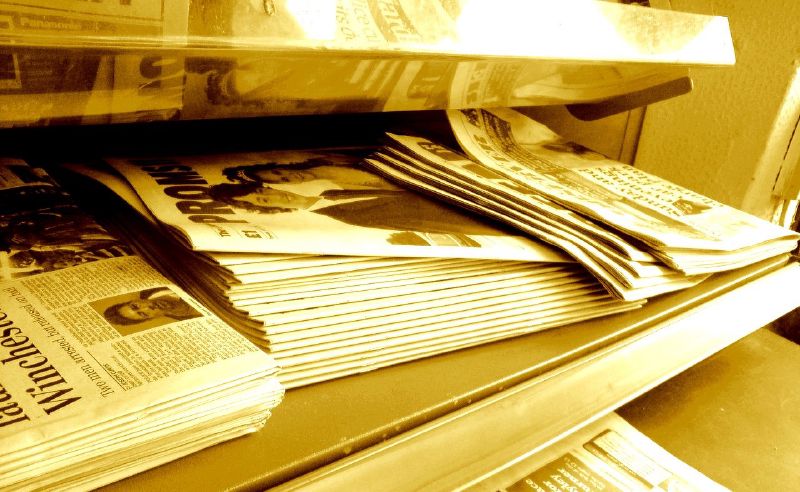
Alden Global Capital cut staff and sold real estate at the US papers it bought. A federal inquiry found it probably moved pension money into its own funds.