Victorian spiritualism: the telegraph made seances plausible
Two girls in New York State claimed in 1848 to talk to a ghost. Science, and a new wire technology, helped the craze take root in Britain.
A world in motion.
A moment to understand it.
Every news in the edition.
Two girls in New York State claimed in 1848 to talk to a ghost. Science, and a new wire technology, helped the craze take root in Britain.
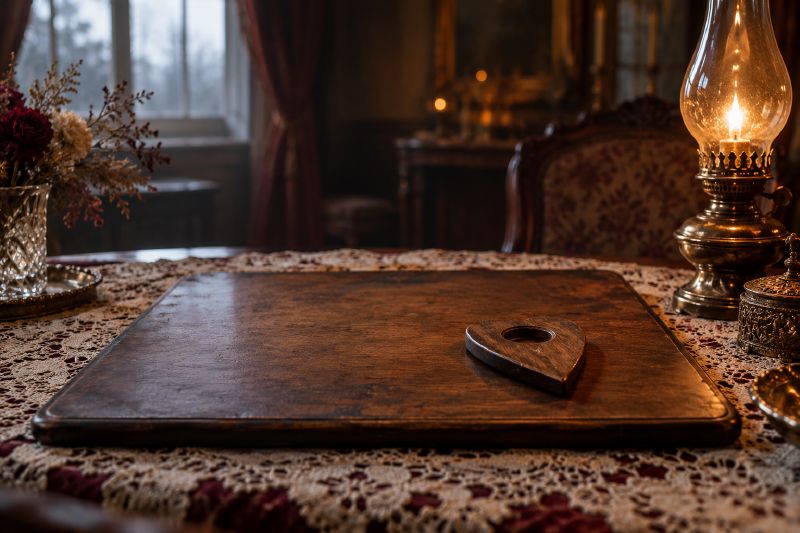
Baltimore's Kennard Novelty Company sold Ouija in 1890 to cash in on Spiritualism. The Exorcist, in 1973, turned a date-night toy into a feared object.
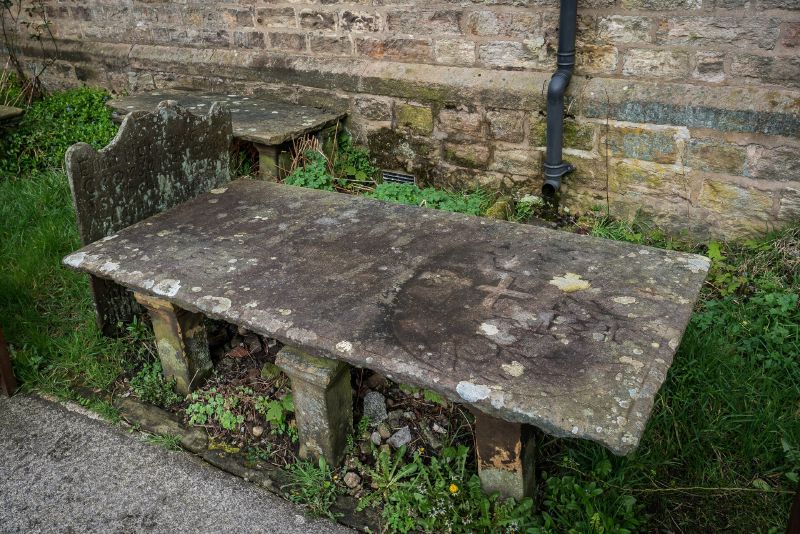
An Austrian official's report on a staked corpse in Kisiljevo put 'vampyri' into print. Overcrowded graves and village terror did the rest.
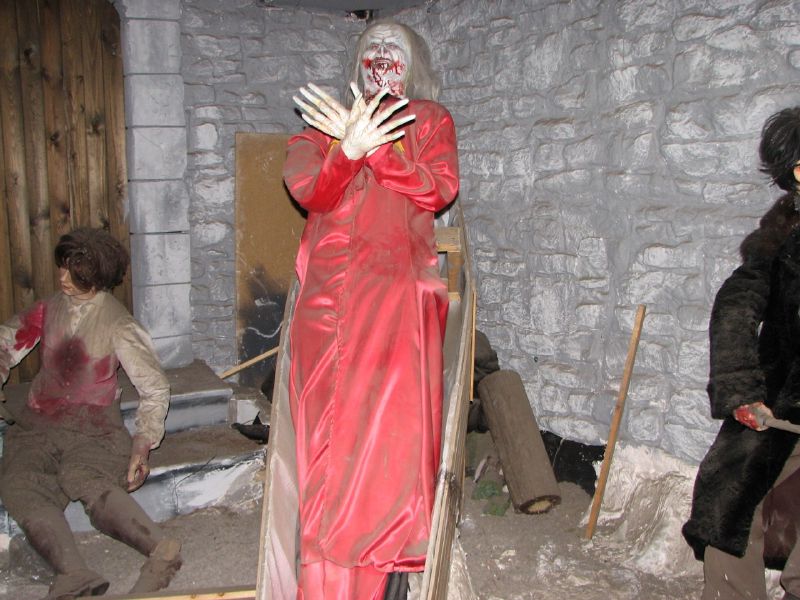
Bram Stoker's widow sued over an unlicensed Dracula film and won. The studio went bankrupt, but a few prints survived abroad and the film lived on.
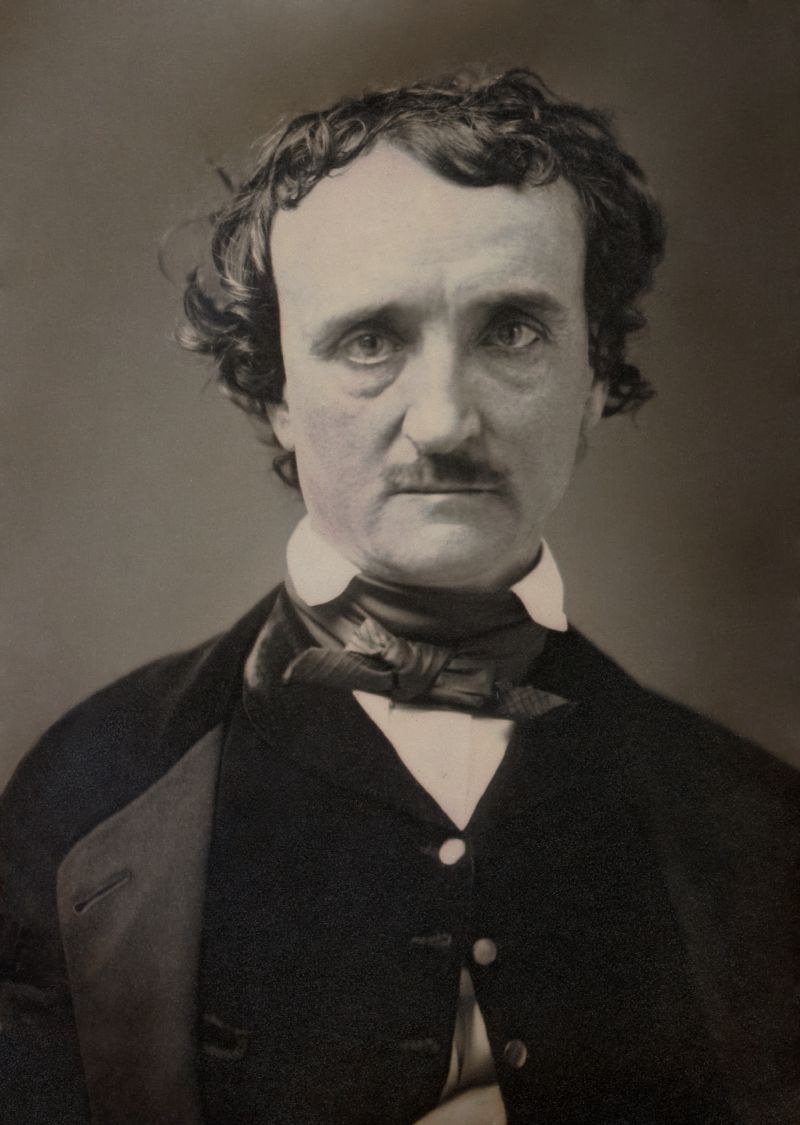
Edgar Allan Poe took live burial and doubles from a tired genre and set them inside the mind. The Guardian traces who followed him.
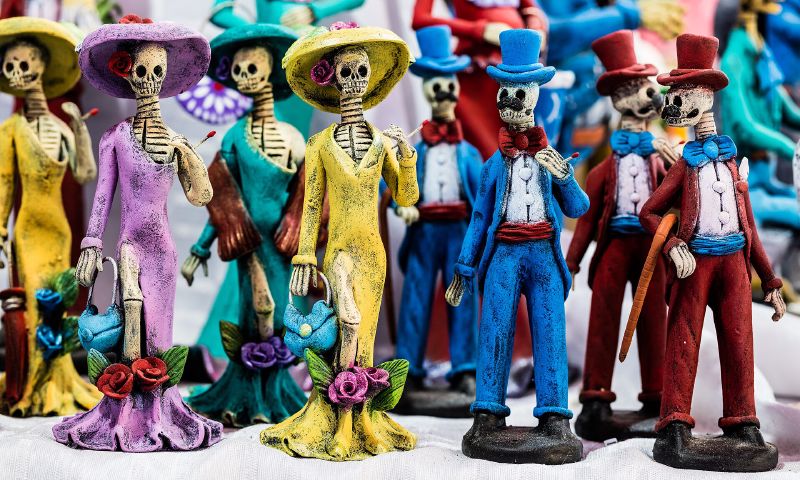
A 1792 Mexican novel and its engraver, Francisco Agüera Bustamante, laid groundwork that Posada's satirical prints later made famous.
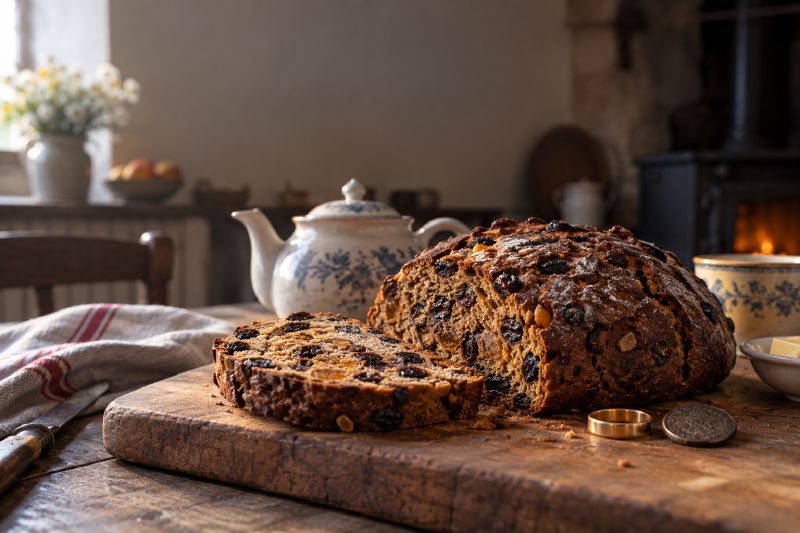
Irish bakers sell barmbrack each autumn. Whoever finds a charm in a slice reads it as an omen of marriage, money or lean times.
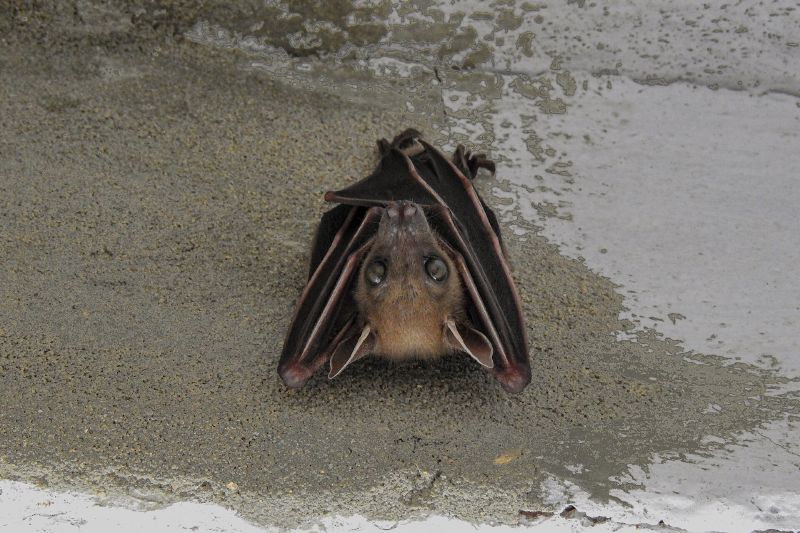
Only three bat species drink blood, and other bats forage for insects and fruit. The Natural History Museum and National Geographic sort fact from legend.
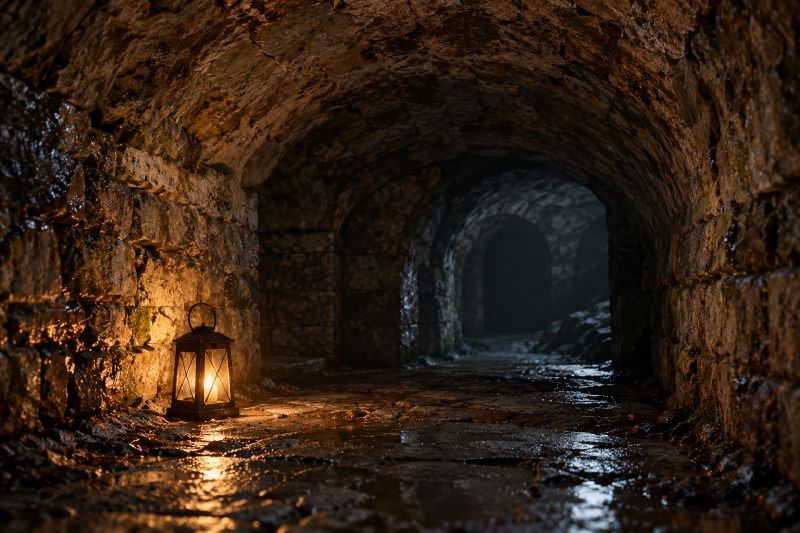
Mercat Tours, which runs the Blair Street Vaults, says Edinburgh's gory past sells its ghost tours, and that underground the lack of light does the rest.
China's hukou ties welfare to where you are registered. Rural migrants in cities earn less, struggle to get welfare, and often leave their children behind.
David Hilbert's 1924 thought experiment of a hotel with infinite rooms shows how infinity breaks the ordinary rules of counting.
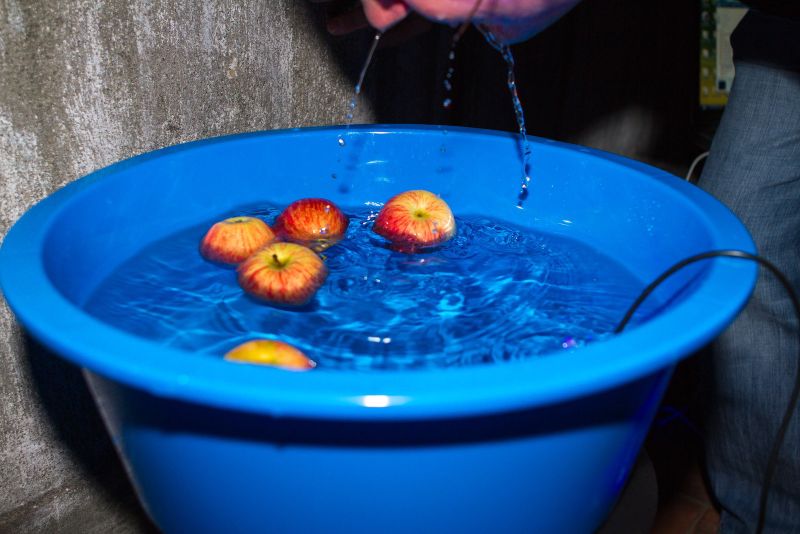
Apple bobbing began as fortune-telling. The Guardian describes girls dunking for fruit marked with a suitor's initial, and a peel flung over a shoulder.
Samhain marked summer's end in Celtic Ireland, and Church feasts on 1 and 2 November gave it the name Halloween. Here is what the sources can show.
Mischief Night, a night of treacle and egg pranks, survives in northern England. The Guardian dates records to 1790. In Detroit it is Devil's Night.
A Portland scream park plans year-round and avoids scaring guests too far. A Chicago puppet haunt gives each of six rooms to different artists.
Bobby Pickett's 1962 hit cashed in on monster films and the Mashed Potato dance craze, then outlived both, says Billboard.
BBC Bitesize and Smithsonian Magazine say Celts wore disguises at Samhain, but the Guardian finds the evidence thin. Witch outfits came later.
IndieWire says cinemagoers fainted and fell ill in 1973, which fed talk of a curse. William Friedkin says he made a film about faith, not horror.
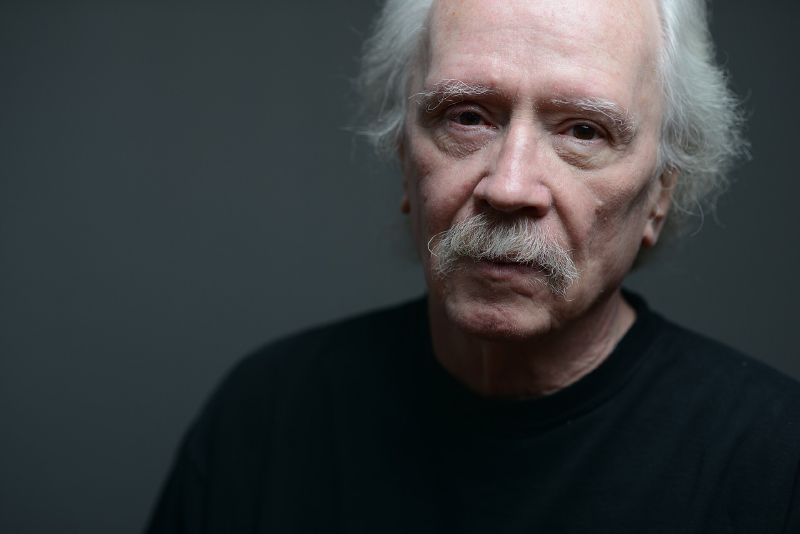
John Carpenter and Debra Hill made Halloween on a tiny budget. Carpenter says its low cost is why other producers copied it.
Halloween in Shibuya grew from an expat subway party into crowds of tens of thousands, and in 2023 the local mayor asked visitors to stay away.
Bram Stoker's 1890 stay in Whitby gave Dracula a wrecked ship, a black dog and a name found in a library book, say The Guardian and the BBC.
A refused request for pins led to the 1612 Pendle witch trials in England. The Guardian says a nine-year-old's evidence helped send ten people to the gallows.
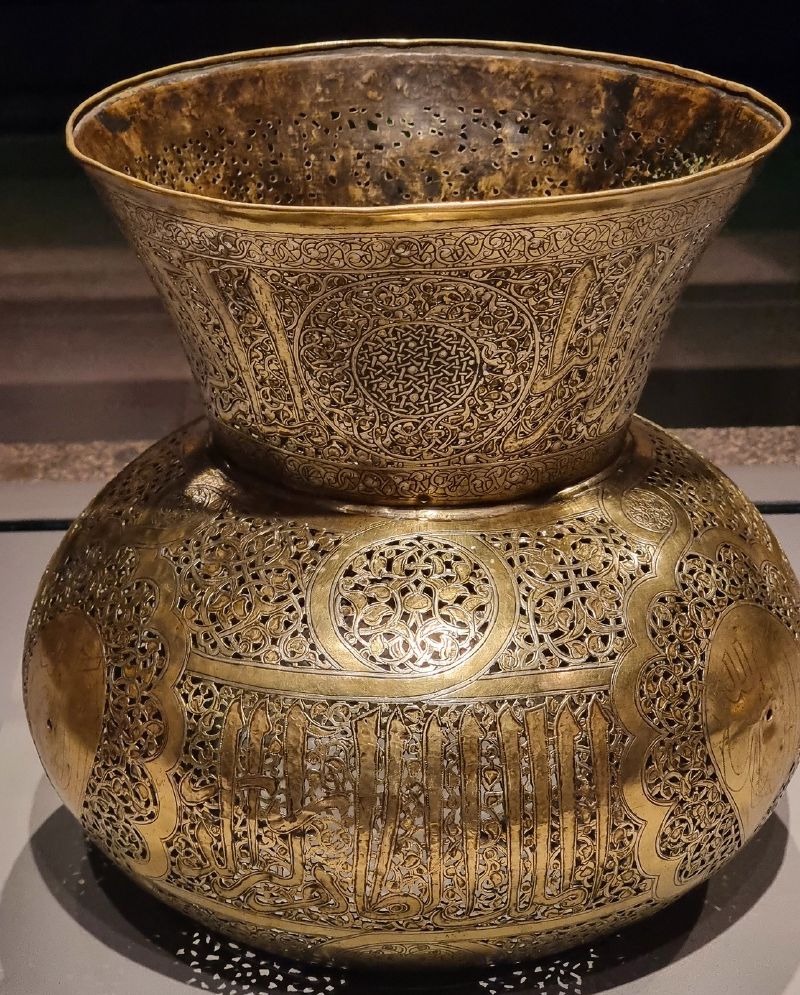
Egypt's Mamluk sultans ruled from 1250 to 1517 after being bought as boys, freed and trained as cavalry. Having no family ties bound them to their masters.
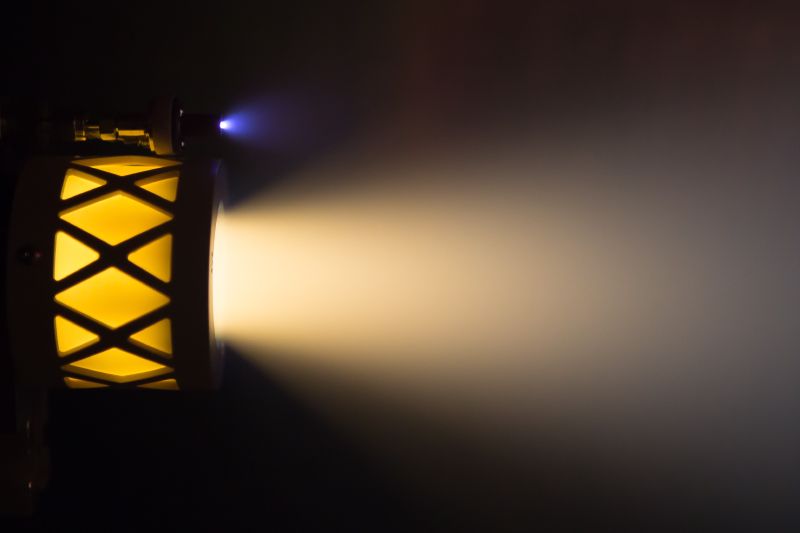
An ion engine uses so little xenon at a time that its thrust is tiny. Yet NASA's Deep Space 1 fired for 678 days and gained 4.3 km/s.