Big British employers must publish their gender pay gap
Employers in Britain with 250 or more staff must file and publish their gender pay gap each year. From 2027 they must also publish an action plan.
A world in motion.
A moment to understand it.
Every news in the edition.
Employers in Britain with 250 or more staff must file and publish their gender pay gap each year. From 2027 they must also publish an action plan.
UNESCO's atlas of endangered languages stopped updating in 2017, and the broader atlas meant to replace it is still not live.
The African Union launched the AfCFTA in 2018. It took effect in 2021, and its first pilot trades in 2022 showed how slowly a single market gets built.
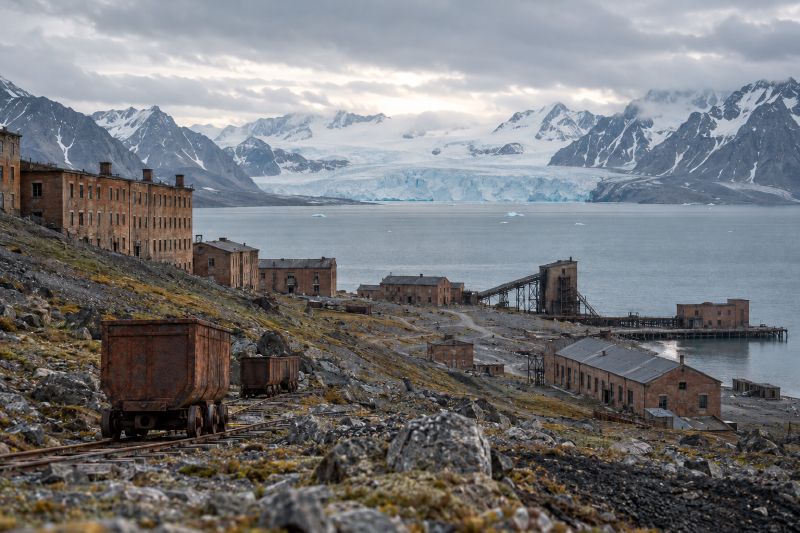
The 1920 Svalbard Treaty gave Norway sovereignty over the Arctic islands while letting citizens of every signatory live, fish and mine there on equal terms.
NBC sold out every 2026 Super Bowl ad slot months early. Semafor and MediaPost put 30 seconds at $7m to $10m, and one drugmaker bought 90.
In November 2014 the Philae lander reached comet 67P, but its harpoons failed and it bounced twice. How the first soft landing on a comet actually happened.
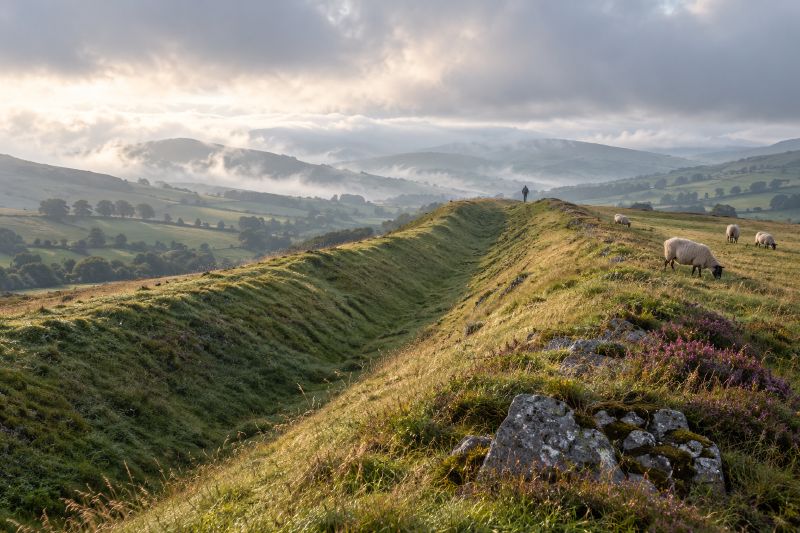
A Mercian king raised an 80-mile bank and ditch after Welsh raids. The border still crosses it, and a 2022 survey found only 8.7% in good condition.
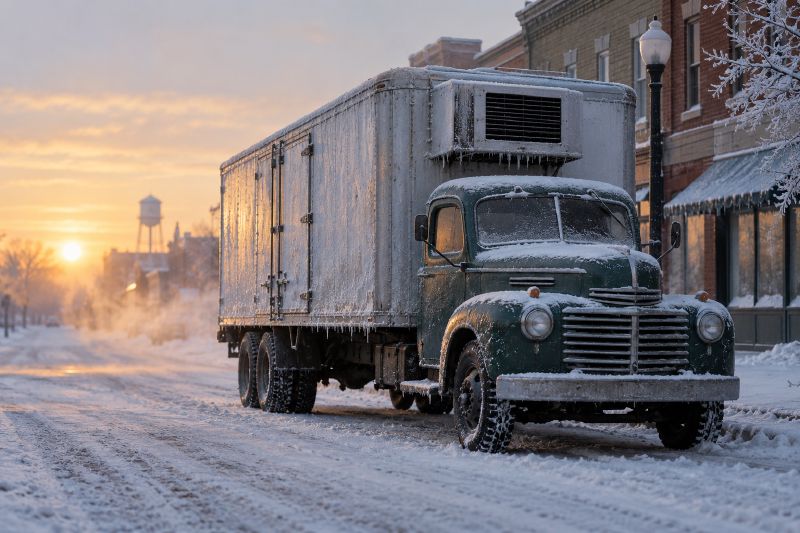
Frederick McKinley Jones left school at 12, then designed a truck cooling unit from junkyard parts. It closed the last gap in the cold chain.
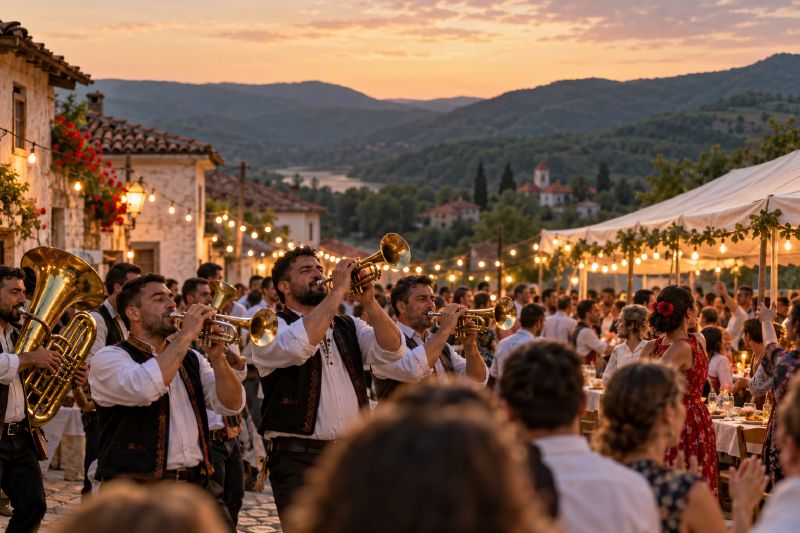
Guča, a Serbian village of a few thousand, hosts what the BBC called the world's biggest trumpet festival. It began as a contest under Tito.
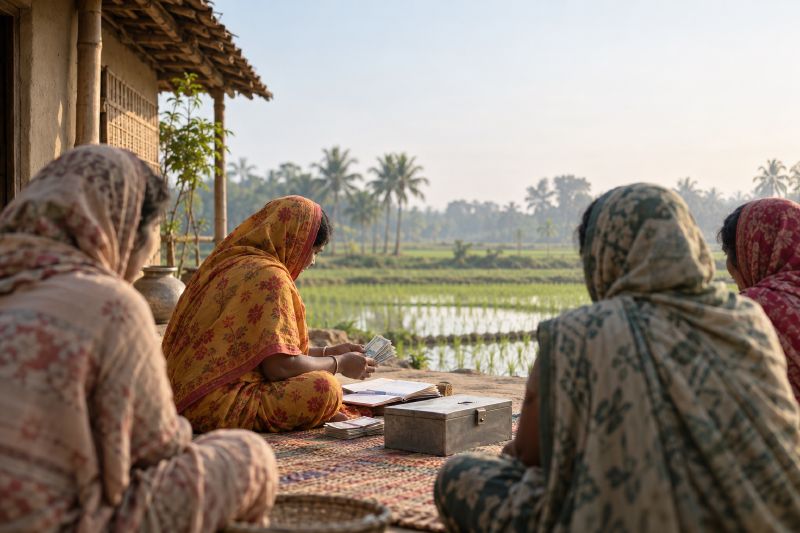
Muhammad Yunus lent his own money to villagers in the 1974 famine. By 2013 his borrowers owned 97 percent of the bank, the New York Times reported.
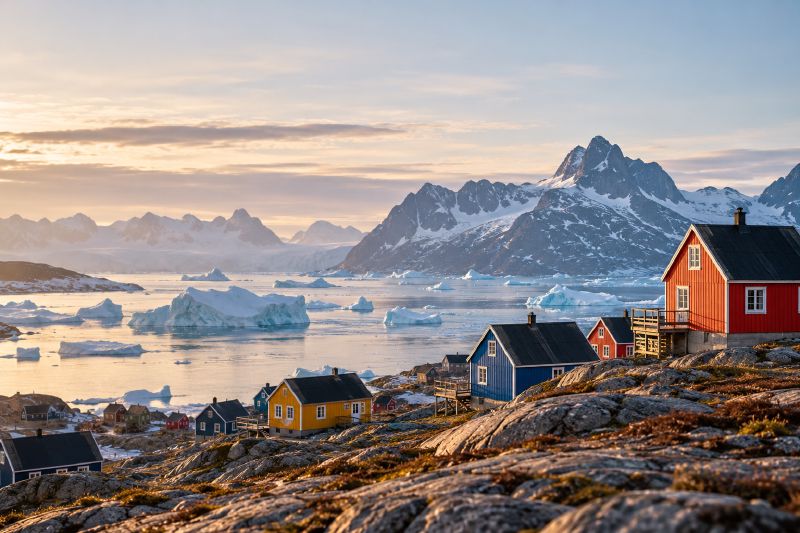
A 1979 referendum gave Greenland its own parliament for internal affairs. Denmark kept defence, foreign policy and the constitution, and still does.
In 1950 Enrico Fermi asked 'Where is everybody?' over lunch at Los Alamos. How a talk about a New Yorker cartoon became a puzzle SETI still argues over.
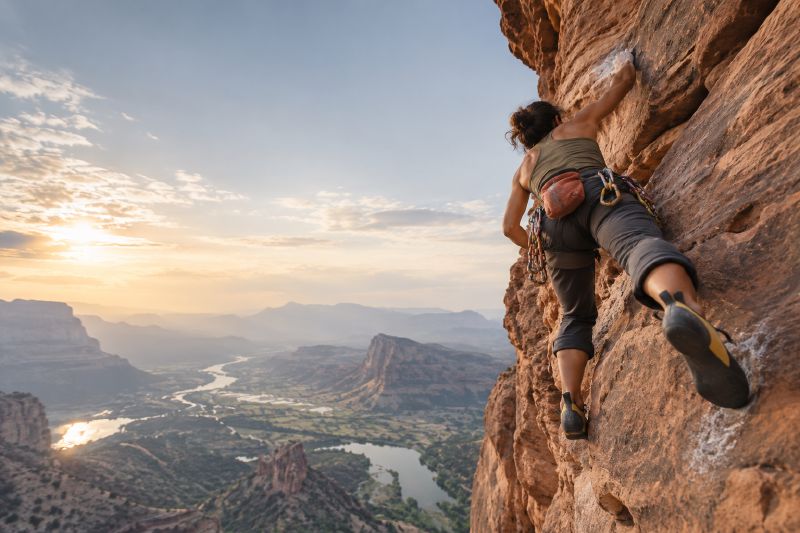
Mihaly Csikszentmihalyi found flow by interviewing climbers, dancers and writers. Fifty years on, labs still struggle to catch it.
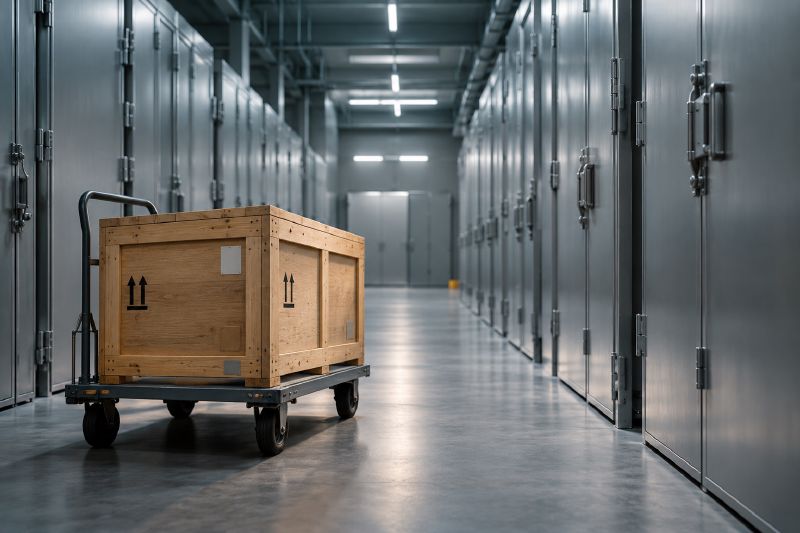
A freeport lets goods sit in customs limbo, untaxed until they leave. How Geneva, Luxembourg and Singapore turned that rule into vaults for art and gold.
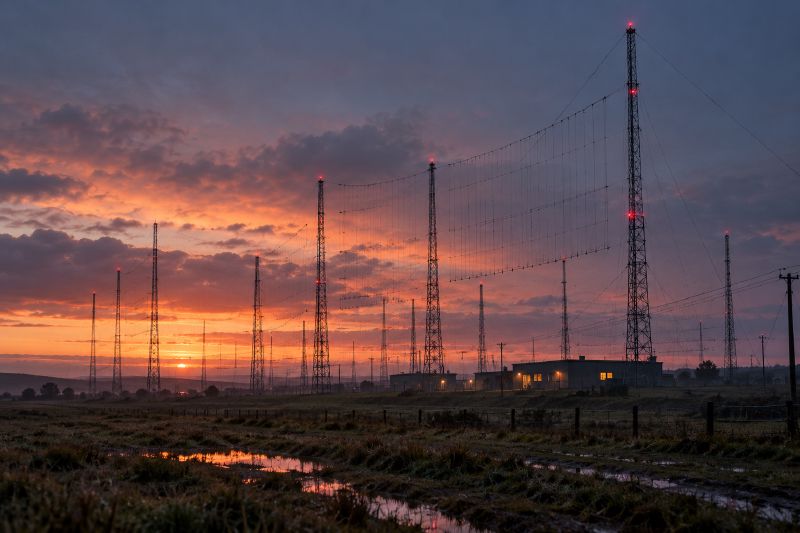
Deutsche Welle broadcasts Germany to the world, not to Germans. That job has led it to hire a British transmitter firm and cost it its Moscow bureau.
The 1977 Combahee River Collective Statement called oppression interlocking. A co-author says it coined 'identity politics'. It inspired intersectionality.
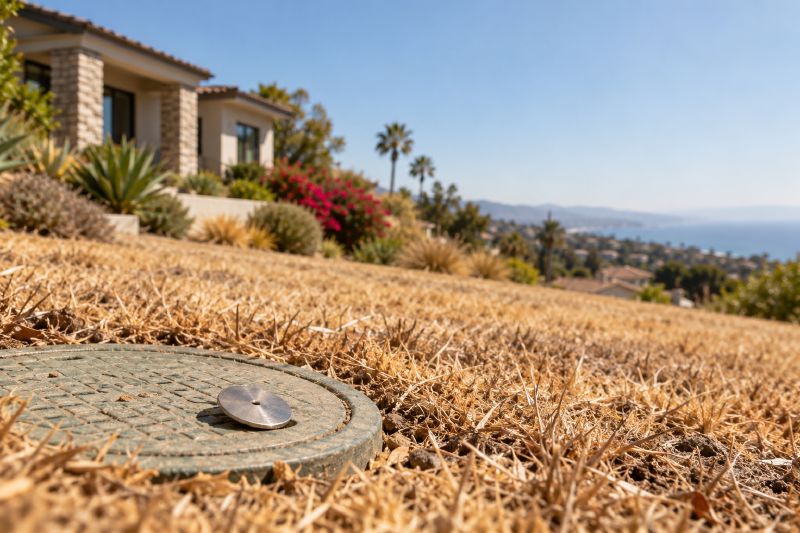
In California's drought, the Las Virgenes Water District gave each home a water budget. Ignore five warnings and a pinhole disc cuts the supply to a trickle.
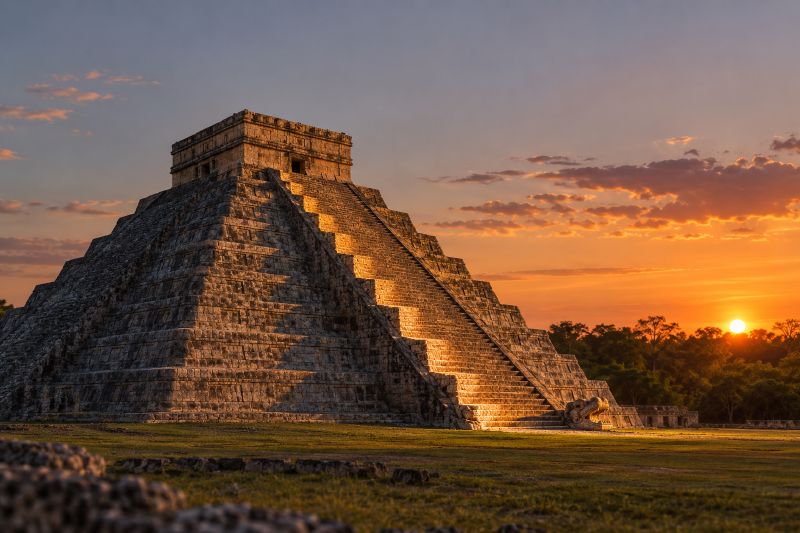
El Castillo at Chichén Itzá in Mexico has 91 steps on each side plus a top platform, making 365, one for each day of the solar year.
In 2018 Belgium ruled loot boxes in FIFA 18, Overwatch and CS:GO were illegal gambling. Its regulator has struggled to enforce that, but firms still comply.
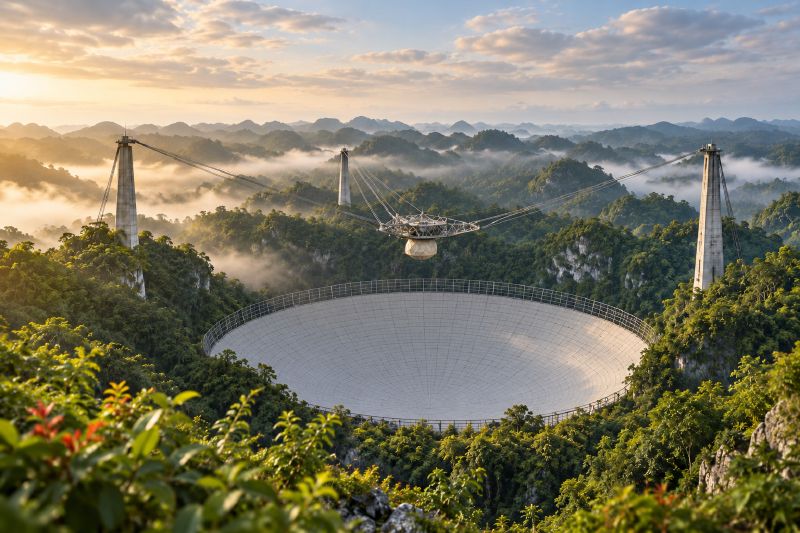
The US military funded Arecibo in Puerto Rico to study the ionosphere and perhaps track missiles. Astronomers turned it into a famous radio telescope.
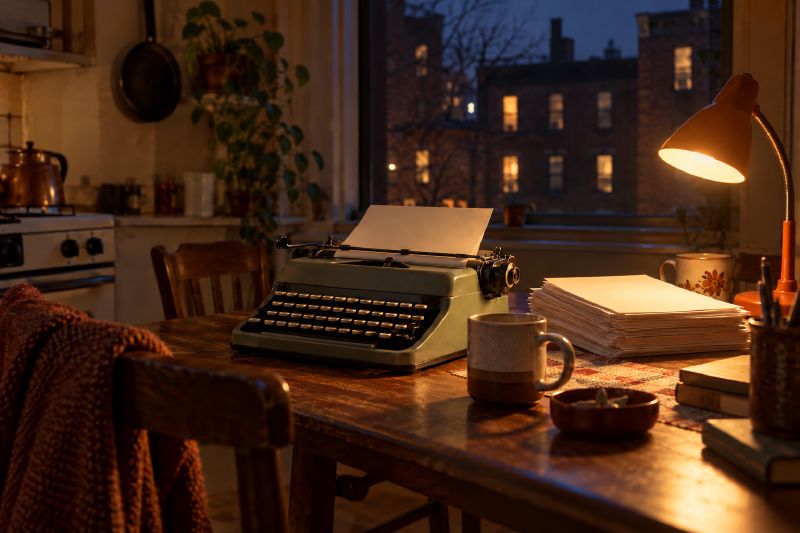
Wiles worked in secret for seven years, then a reviewer found a flaw. Quanta and Nautilus trace how he got round a 350-year-old problem, and nearly lost it.
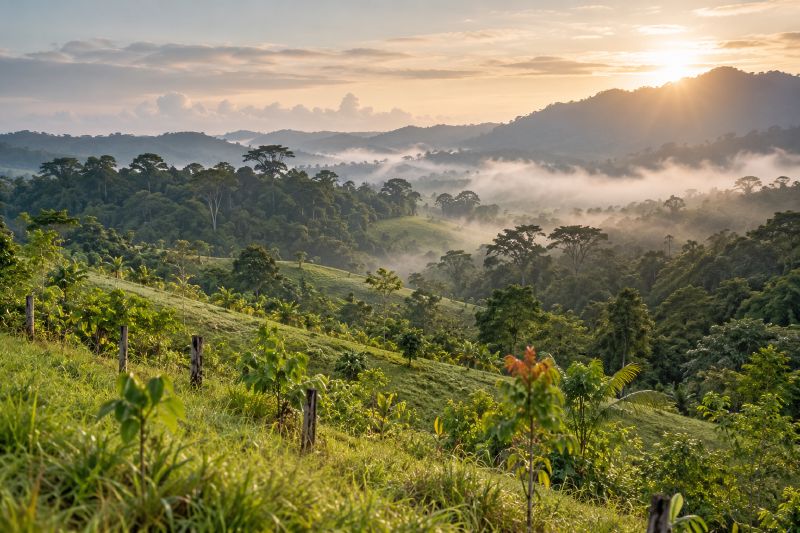
Forest fell to 41% of Costa Rica by 1986 and now covers over half. WRI credits the end of ranching subsidies and payments to landowners who kept trees.
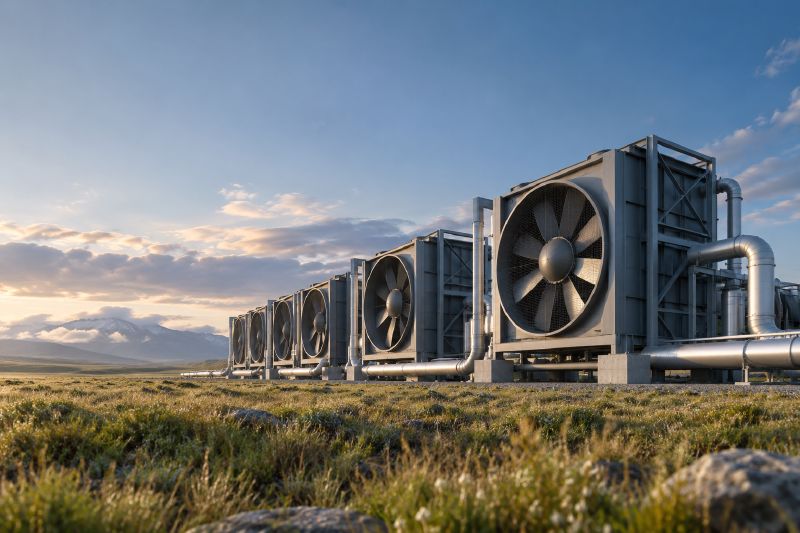
A plant blows air past a material that grabs carbon dioxide, then heats it to get the gas back out. NIST and the BBC explain both main designs.
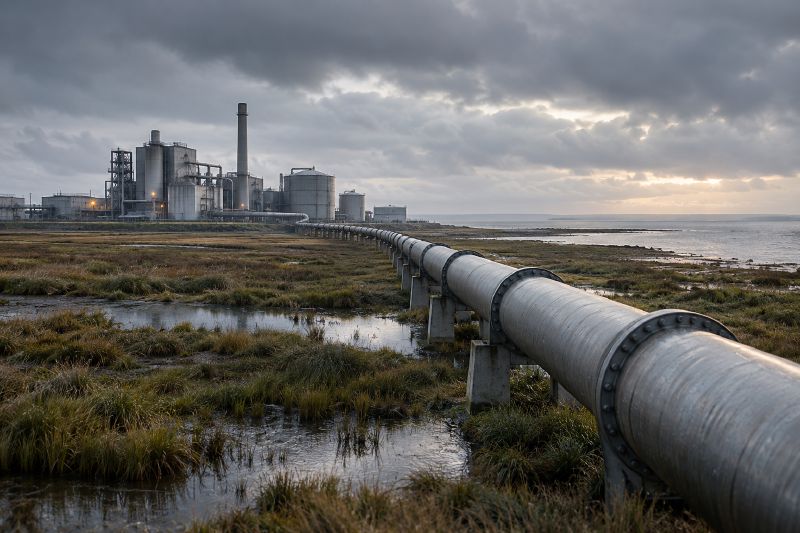
Carbon capture and storage takes about 45 million tonnes of CO2 a year, the BBC reports, against emissions above 40 billion. Britain regulates the pipes.