Amazon paid $775 million for a warehouse robot maker
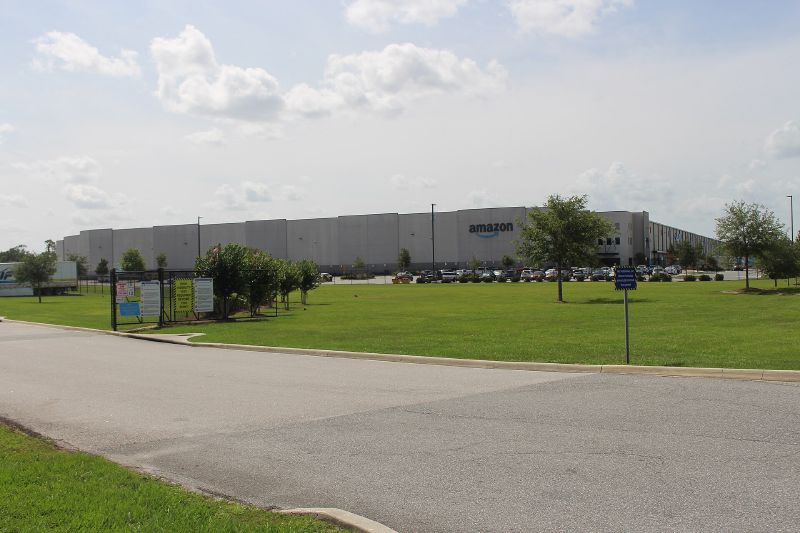
In 2012 Amazon bought Kiva Systems for $775 million in cash, taking in-house the robots that brought items to warehouse workers.
A world in motion.
A moment to understand it.
Every news in the edition.
In 2012 Amazon bought Kiva Systems for $775 million in cash, taking in-house the robots that brought items to warehouse workers.
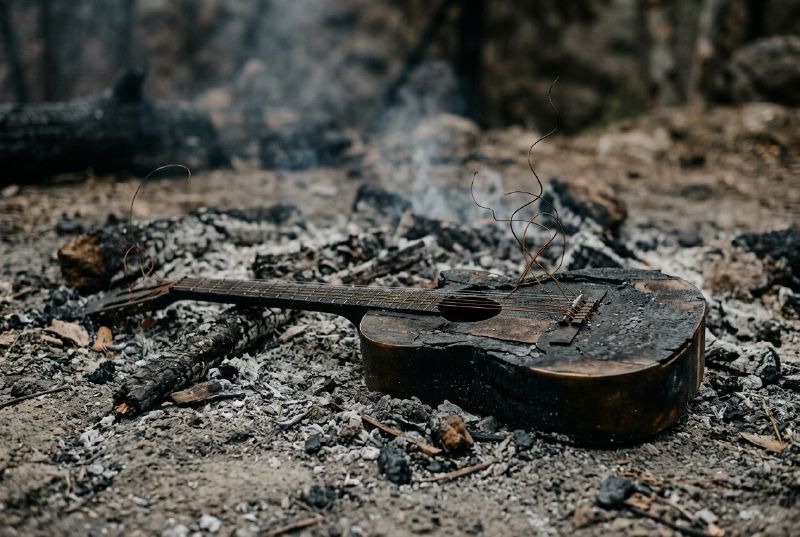
Since 2021 the Taliban have burned instruments, shut music stations and driven Afghanistan's singers into hiding or exile. This is how they did it.
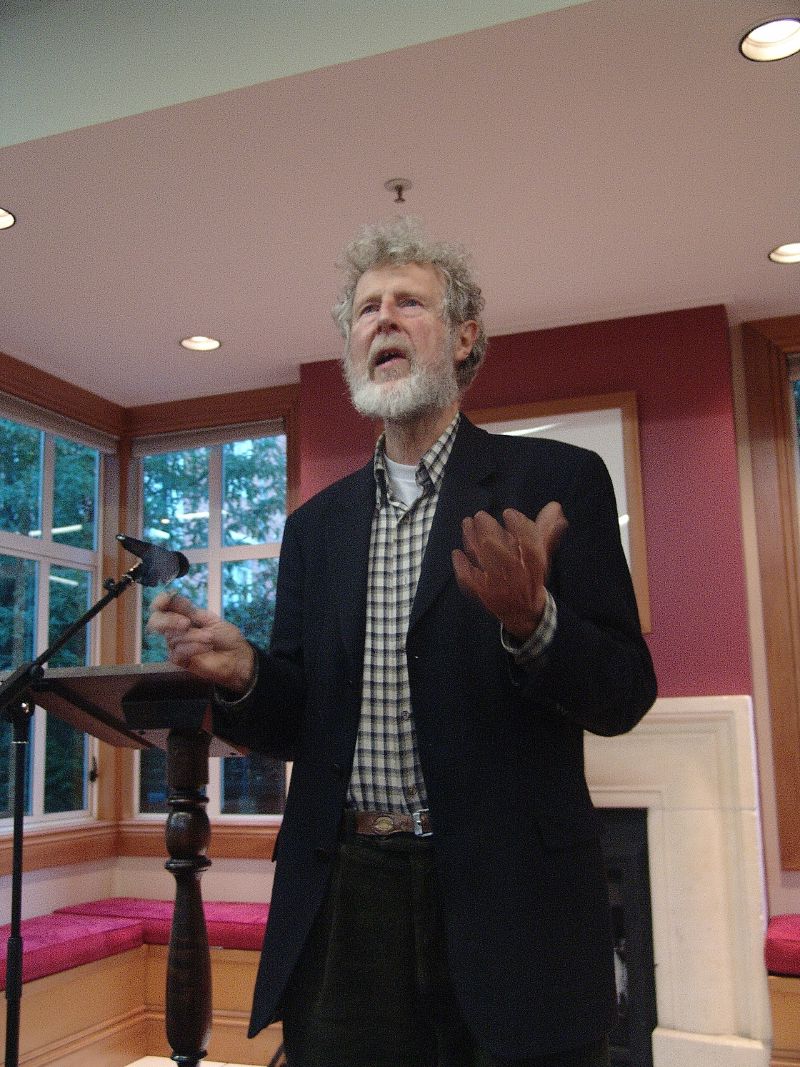
James Flynn found IQ scores rising by about three points a decade across nearly thirty countries, a shift too fast for genes to explain.
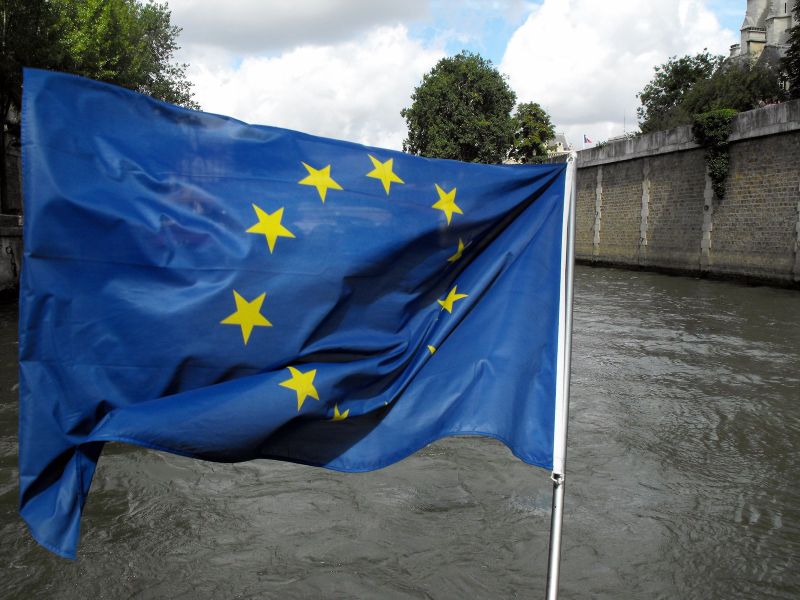
The EU's GDPR replaced the 1995 Data Protection Directive. It kept most of the old principles, added accountability, and set fines of up to 4% of revenue.
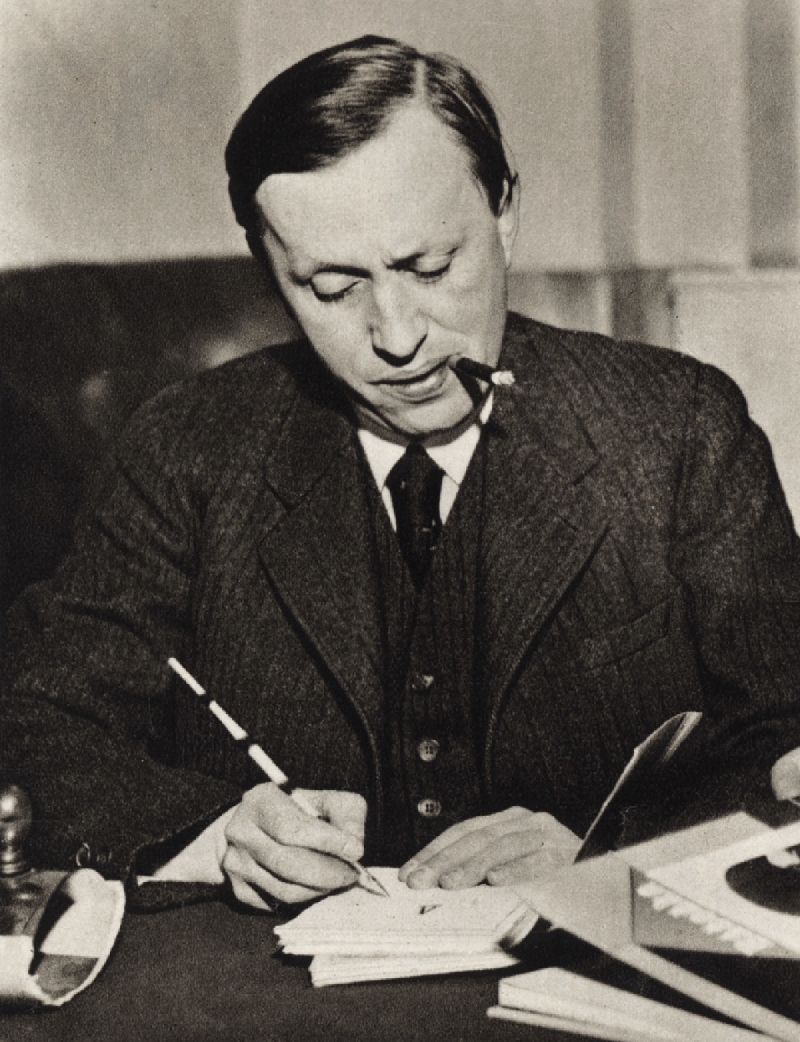
Karel Čapek's 1921 play R.U.R. made the word 'robot' famous, but his brother Josef, a painter, is the one who coined it.
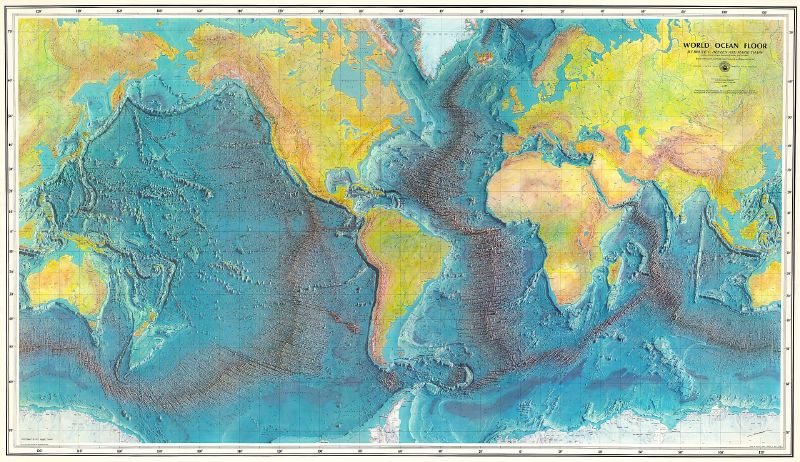
An international project has charted 28.7% of the seabed in detail, adding five million square kilometres of new data in a year.
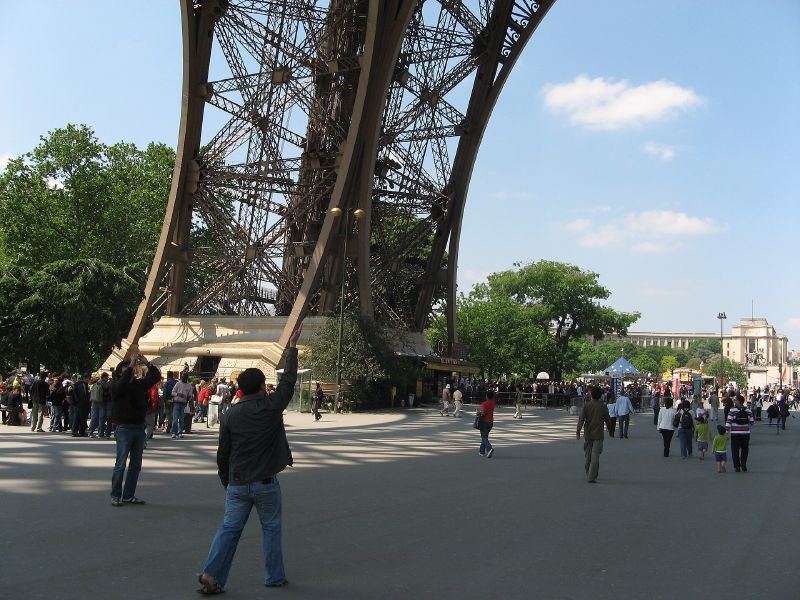
Eiffel Tower staff struck for a day after managers hid female colleagues during a Hindu group's visit, and city officials have opened an inquiry.
Circle, the firm behind the stablecoin USDC, is now Chelsea's shirt sponsor, as regulators race to catch up with stablecoins.
In 1986 astronomer Cliff Stoll chased a 75-cent gap in a lab's computer bill and found German hackers who had sold their access to the KGB.
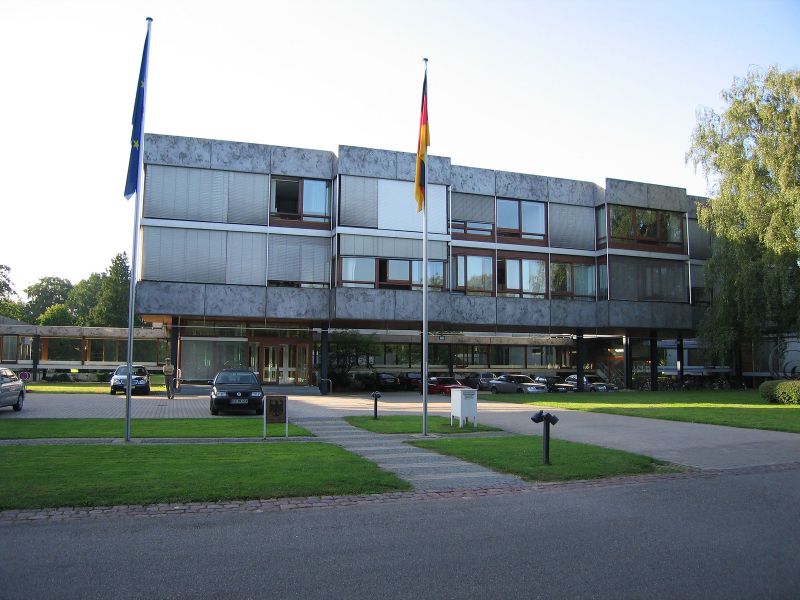
Germany's constitution lets its Federal Constitutional Court ban a political party outright, though it has done so only twice since 1945.
Which? found Santiago de Compostela the cheapest Spanish city to fly to from London. Ryanair has since said it is closing its base there.
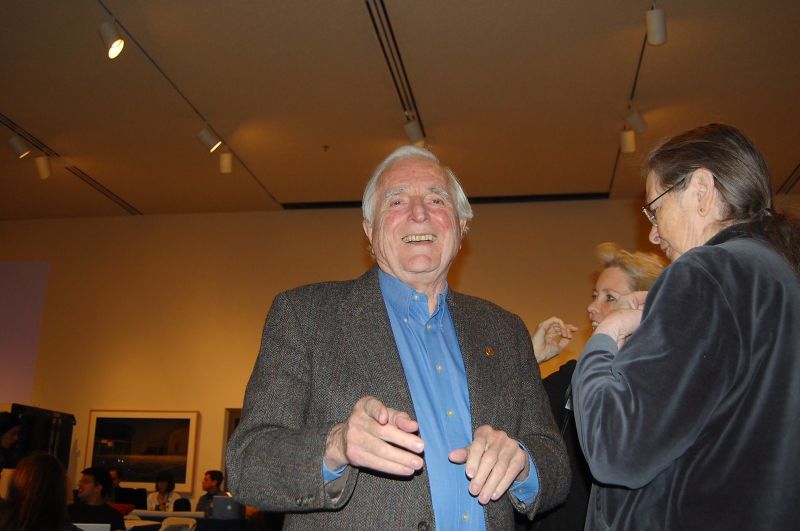
Douglas Engelbart's team at Stanford Research Institute tested a cannonball trackball, a joystick and a light panel. A wooden box on wheels beat them all.
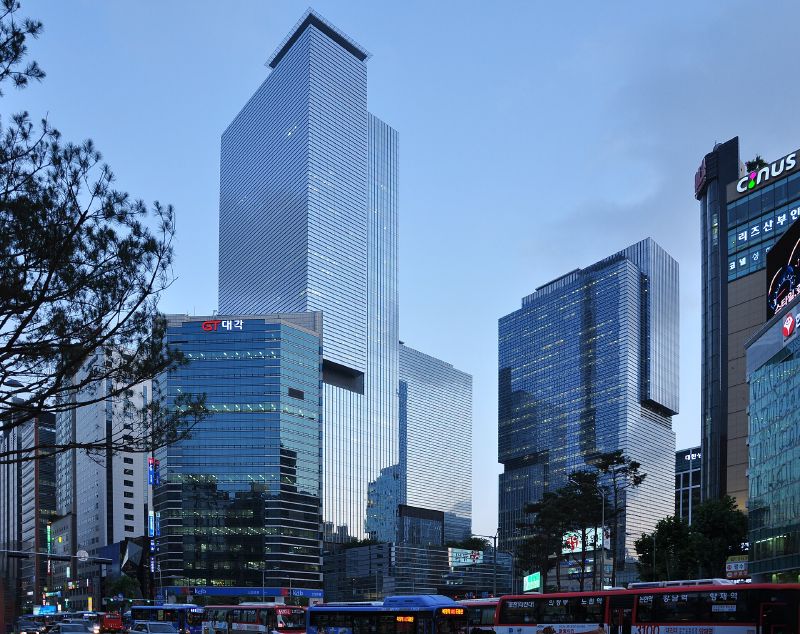
The Lee family controls Samsung through affiliates that own each other. Most South Korean chaebols swapped that web for holding companies. Samsung did not.
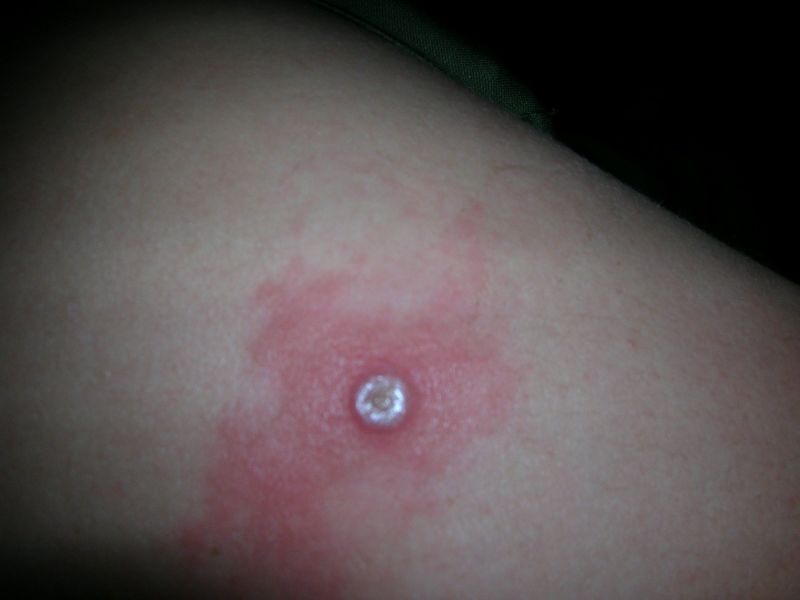
In 1796, Edward Jenner scratched cowpox matter into an eight-year-old boy's arm, then tested him against smallpox itself.
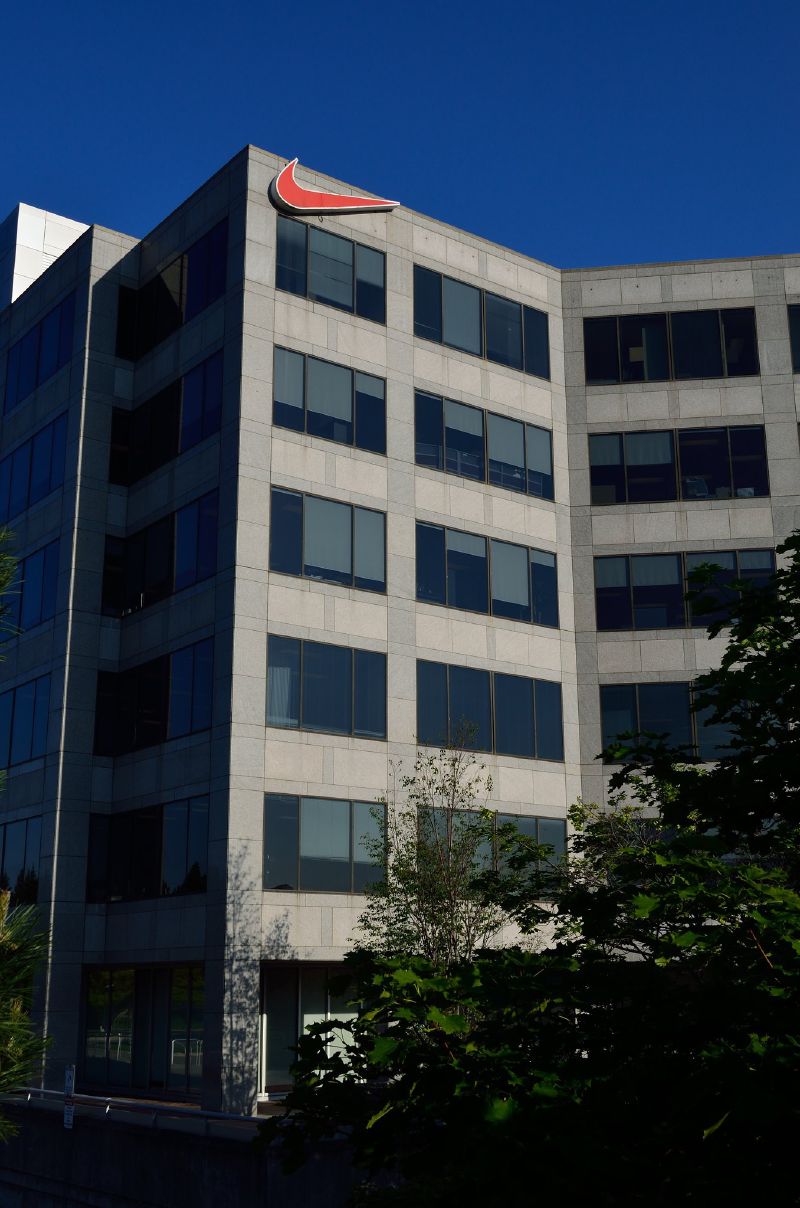
Carolyn Davidson billed Nike $2 an hour for 17.5 hours of work on its new logo in 1971. Phil Knight's first reaction was that he didn't love it.
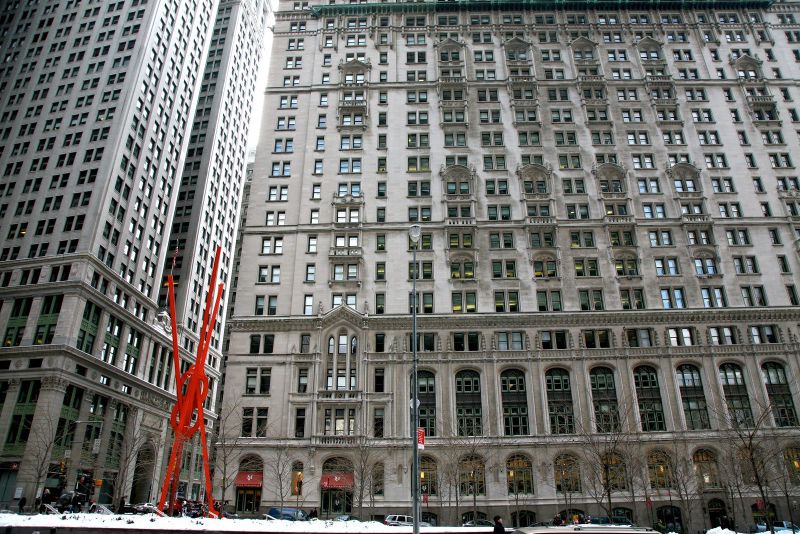
Since 1961, New York has let developers add floor space in return for plazas open to all, but a 2000 study found 41% of them had no real public use.
Australian native title rests on traditional law and custom that continues today. A win brings a right to negotiate. The first compensation came in 2019.
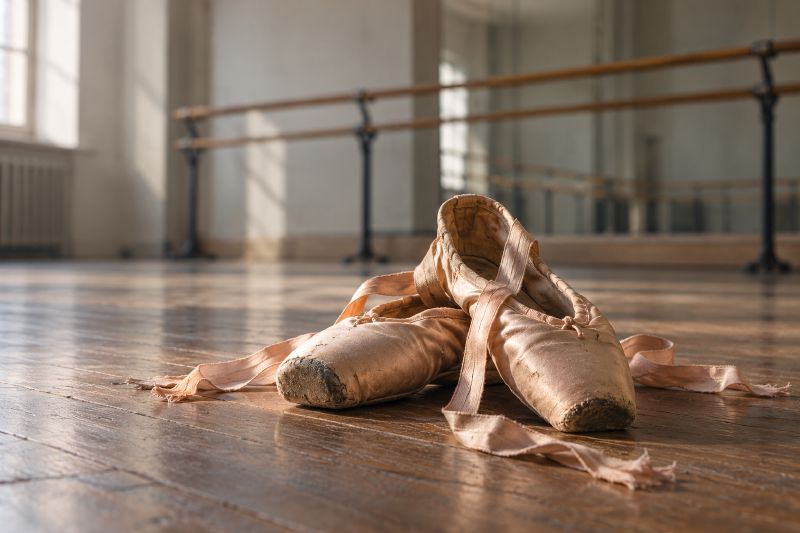
Pointe shoes are built by hand on a last from layers of fabric and glue, and a busy dancer can get through a pair in a single day of work.
Mortgage rates rose again on both sides of the Atlantic in 2026, with US 30-year fixes past 7% and UK two-year fixes averaging 5.63%.
Netflix's Robert De Niro thriller drew harsh pans from the Guardian and Roger Ebert, but Variety and Empire called it solidly entertaining.
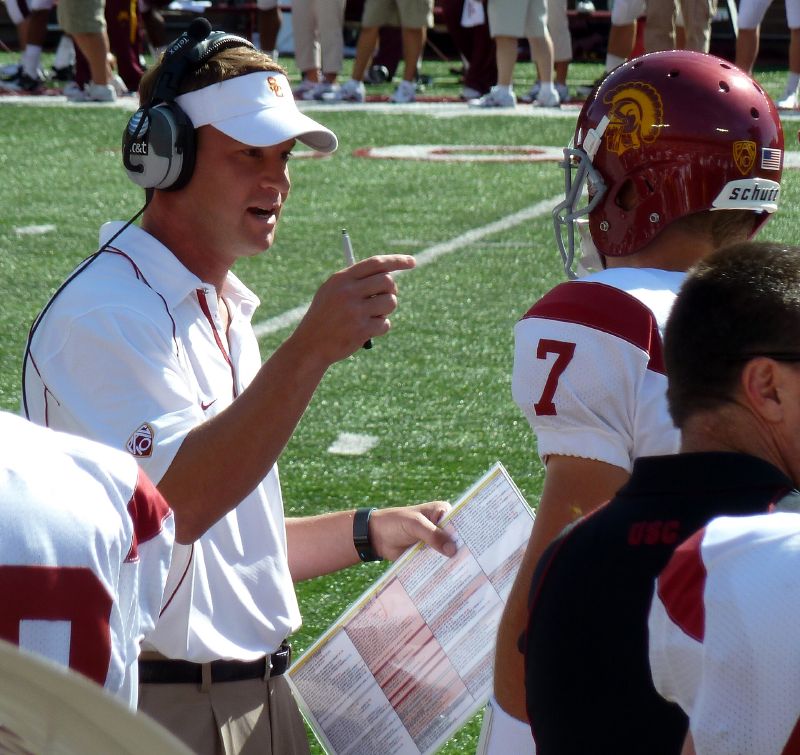
Lane Kiffin left a playoff-bound Ole Miss for LSU's $91 million deal, and student season tickets sold out in five hours.
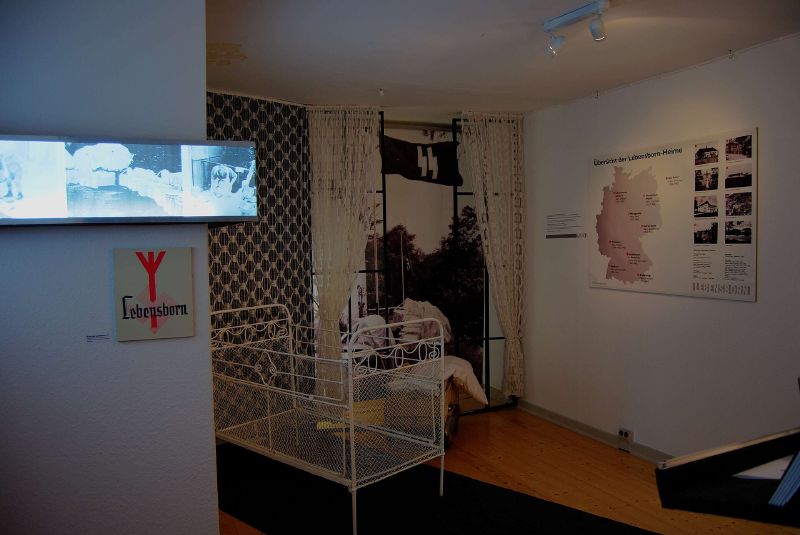
Adults born under the Nazi Lebensborn programme are opening old files and childhood homes to find the parents its secrecy hid from them.
Air fryer recipes disagree on chicken breast times by nearly 20 minutes. Breast size, thickness and the air fryer model explain the spread.
Electric cars now take more than 5% of India's car sales, pushed by rising fuel prices and a tougher emissions rule due in April 2027.