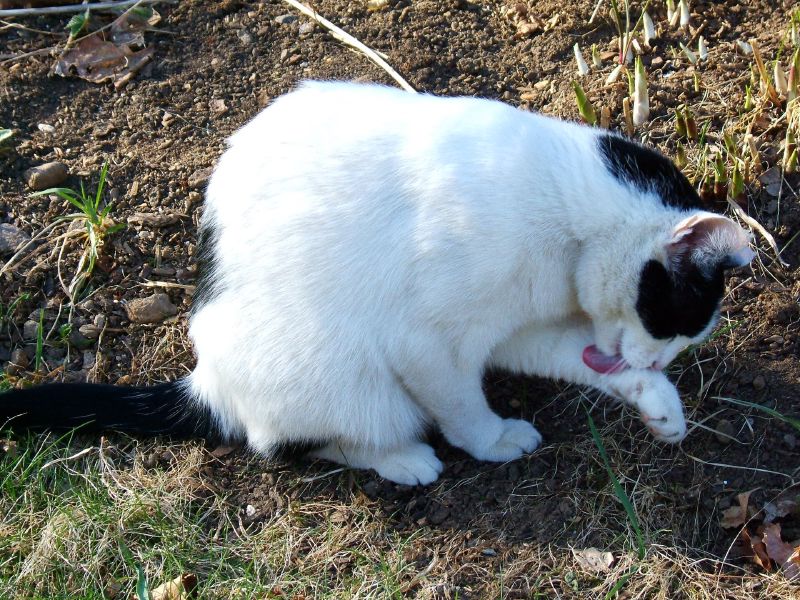
Cat licking is usually affection, but a sudden rise needs a vet
Most licks signal affection, says the cats.org.uk blog. A sudden rise in licking, or licking with hiding or a change in appetite, calls for a vet visit.
A world in motion.
A moment to understand it.
Every story tagged #animal-behaviour.
Most licks signal affection, says the cats.org.uk blog. A sudden rise in licking, or licking with hiding or a change in appetite, calls for a vet visit.
Humpbacks blow a rising curtain of bubbles to pen krill and fish, tune it as it tightens, and seem to learn the trick by watching other whales.
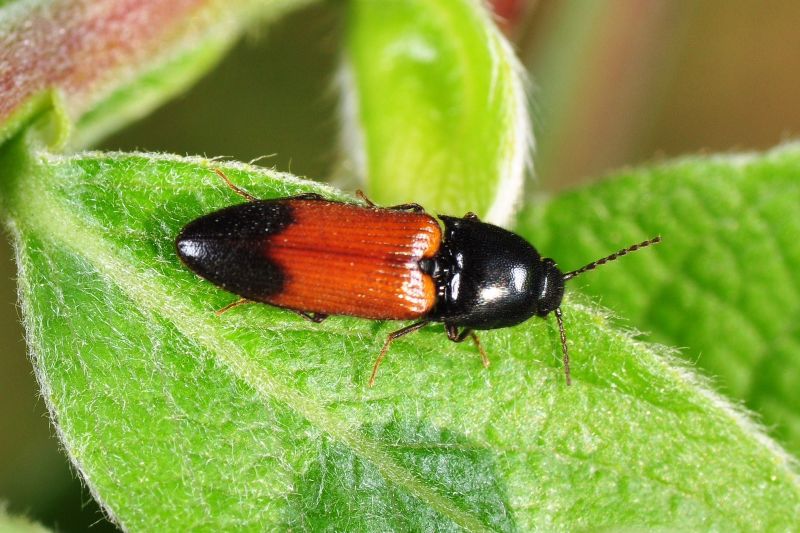
A click beetle stuck on its back loads a latched hinge behind its head, then lets it snap. That throws it into the air, with little control over the landing.
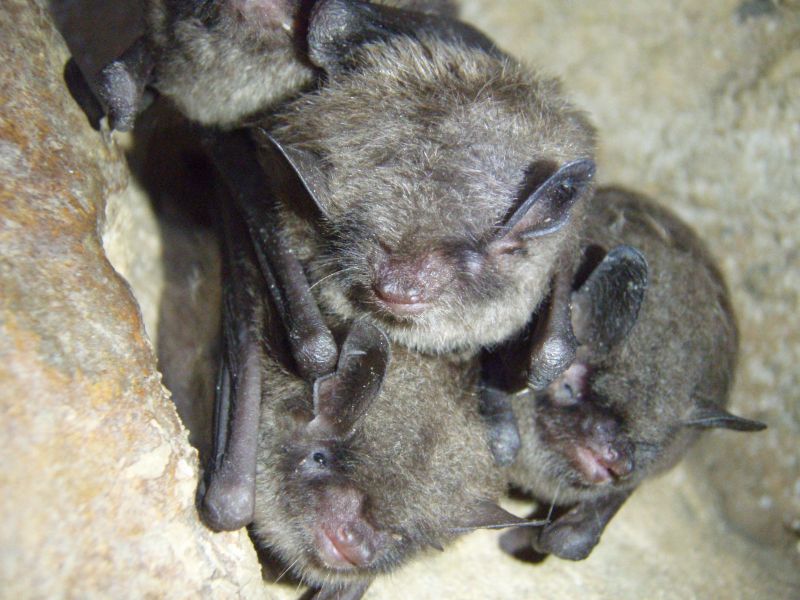
Thousands of bats leave a cave at once and almost never collide. Tracking studies show they spread out and switch to short, quiet, high-pitched calls.
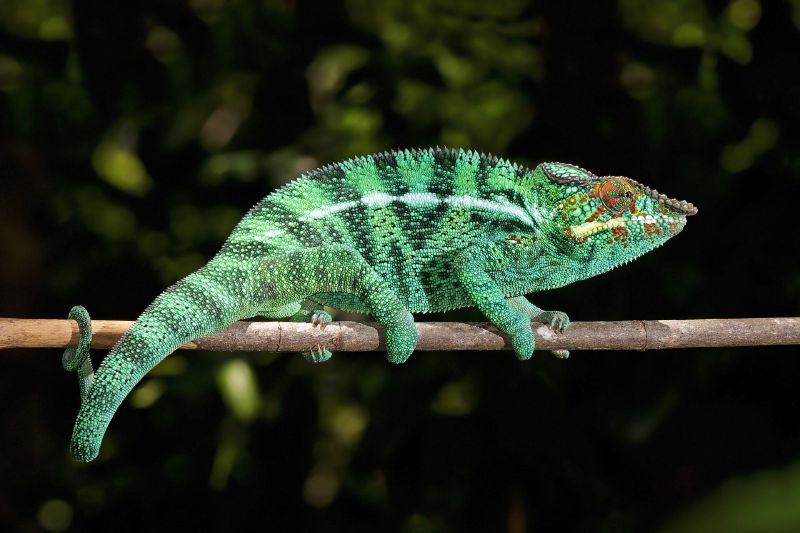
A chameleon shifts colour by rearranging crystals in its skin, not by mixing pigment, and the switch is mostly about signalling, not hiding.
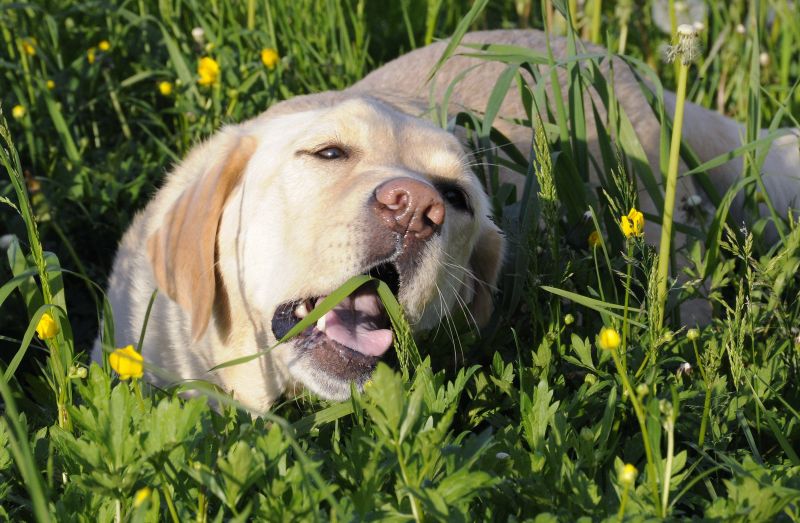
Most dogs graze, and the settle-the-stomach story does not hold up. Dogs Trust and BBC Bitesize point to taste, low fibre and boredom, though none is proven.