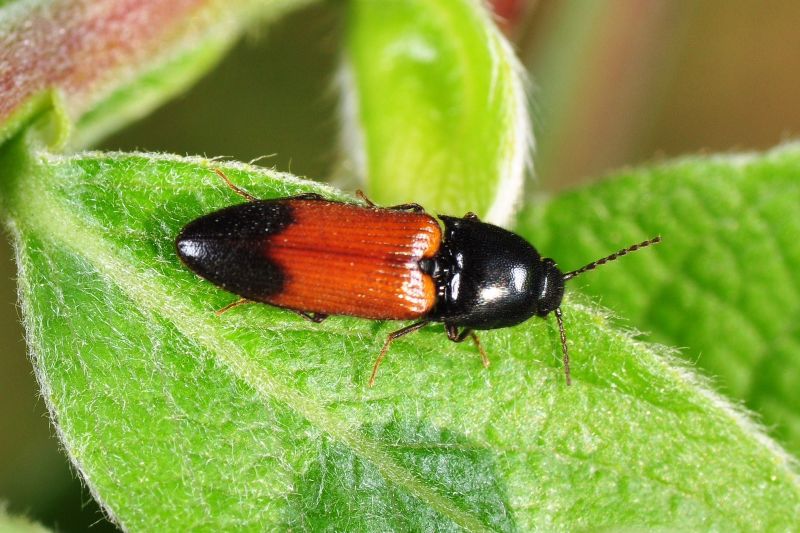
Click beetles flip upright with a snap, not their legs
A click beetle stuck on its back loads a latched hinge behind its head, then lets it snap. That throws it into the air, with little control over the landing.
A world in motion.
A moment to understand it.
Every story tagged #biology.
A click beetle stuck on its back loads a latched hinge behind its head, then lets it snap. That throws it into the air, with little control over the landing.
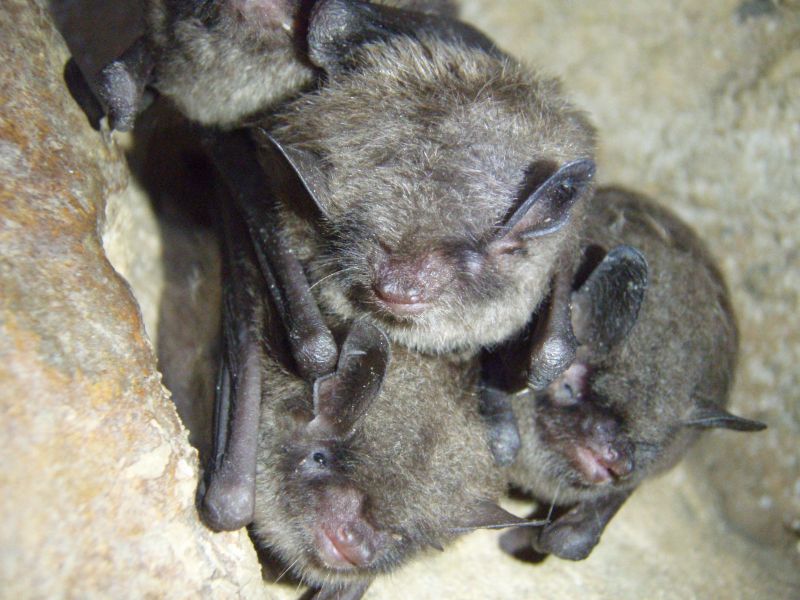
Thousands of bats leave a cave at once and almost never collide. Tracking studies show they spread out and switch to short, quiet, high-pitched calls.
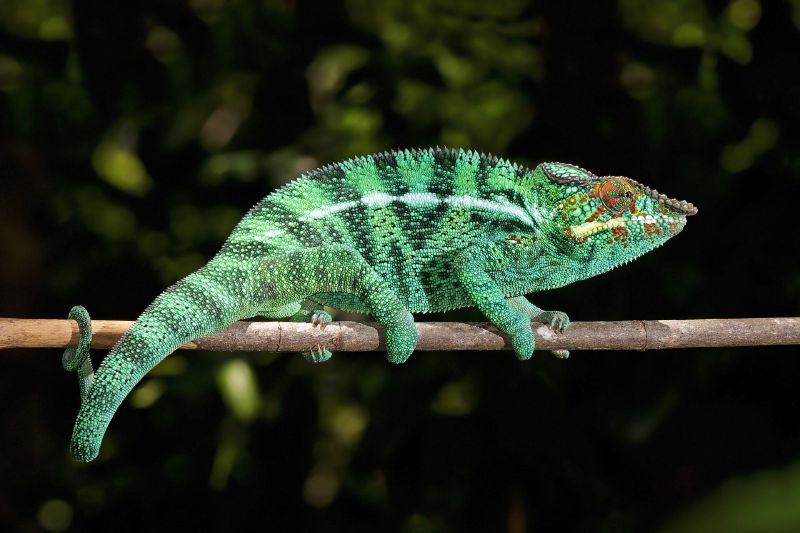
A chameleon shifts colour by rearranging crystals in its skin, not by mixing pigment, and the switch is mostly about signalling, not hiding.
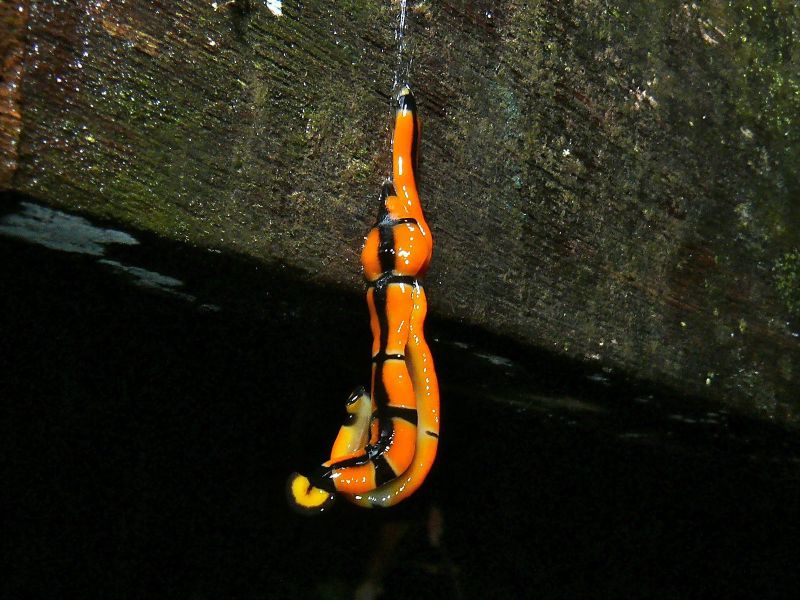
A planarian flatworm rebuilds a whole head from a scrap of body, using stem cells that can make any tissue and a chemical signal that says which end is which.
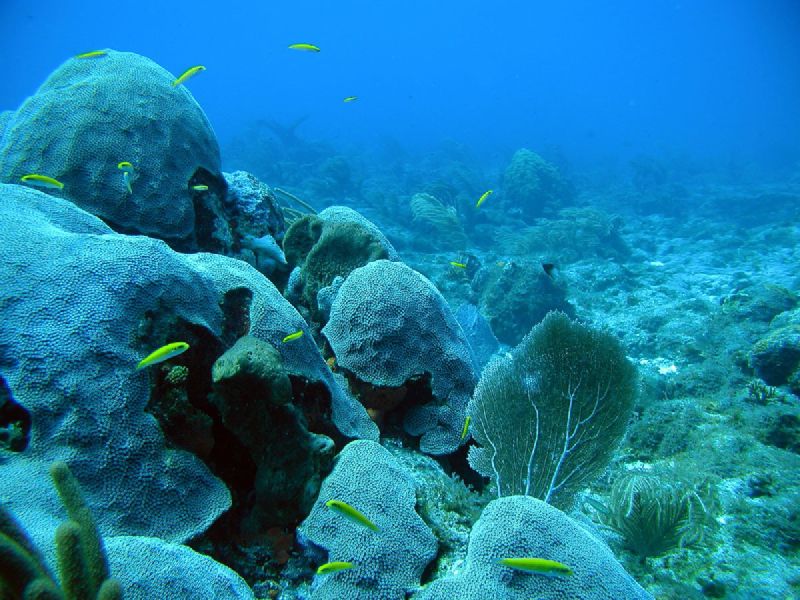
A coral reef is limestone laid down by tiny animals. Each polyp builds a skeleton from calcium carbonate, and the skeleton stays in the reef after it dies.
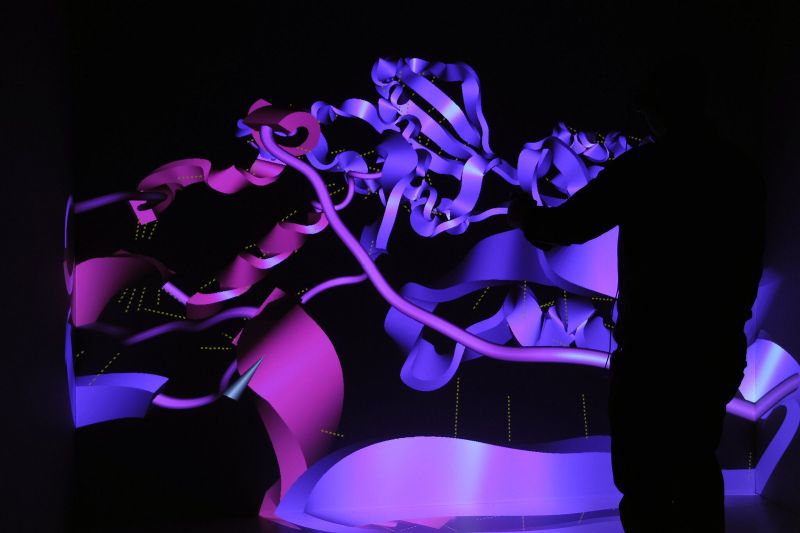
AlphaFold predicts a protein's shape in days rather than years of lab work. It still cannot show how a protein changes over time or behaves inside a cell.
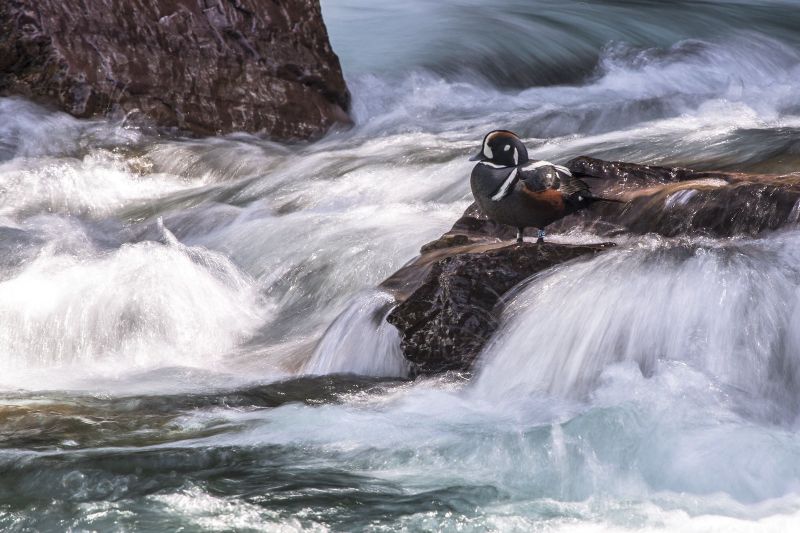
A duck's feet run close to the temperature of the ice. Blood vessels in its legs swap heat, so the body stays warm and the feet never freeze solid.
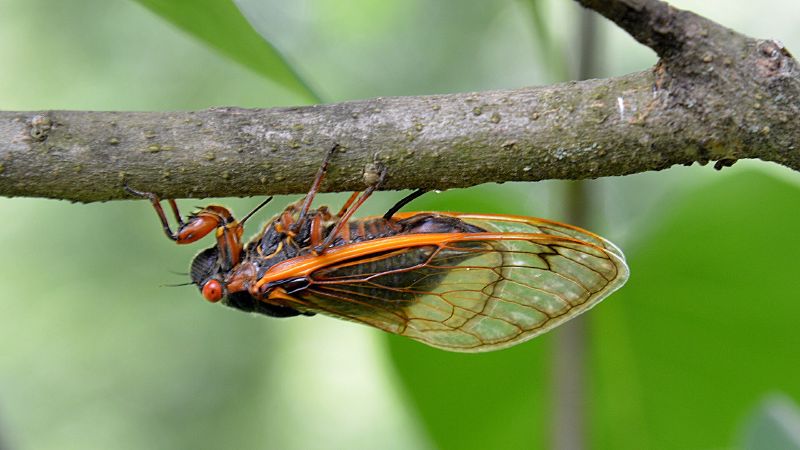
Some periodical cicadas spend 17 years feeding on tree roots, then surface together once the soil warms. Why they keep such long cycles is still unclear.
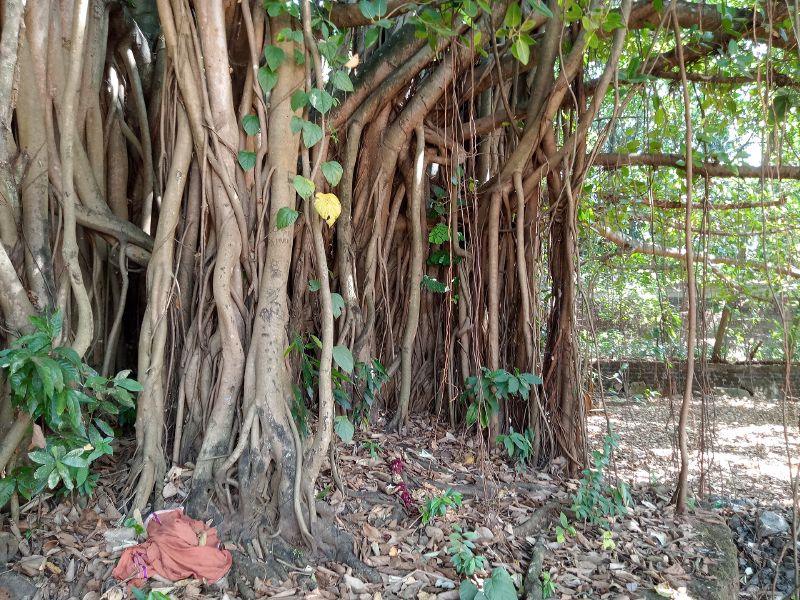
A banyan drops roots from its branches. Once they reach the soil they thicken into pillars, which is how one tree in India came to cover five acres.
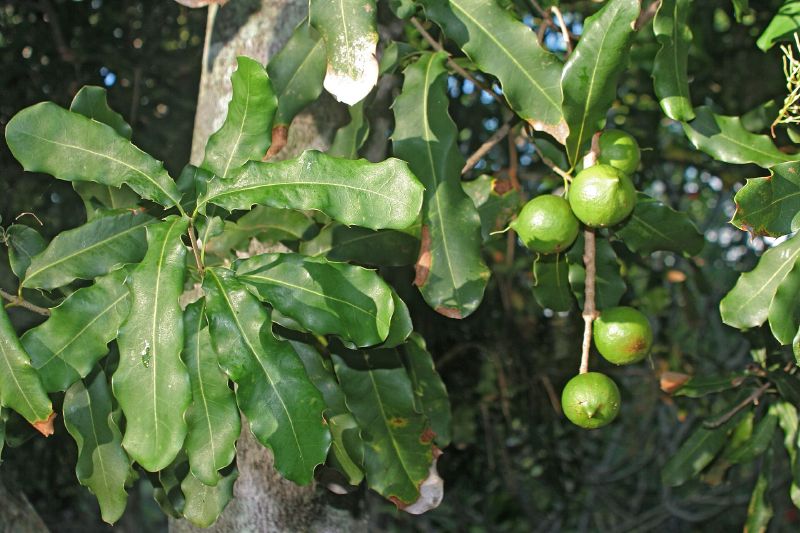
Macadamia is native to Queensland, but Hawaii turned it into a crop. Genetic studies trace most orchard trees to one small wild population near Gympie.