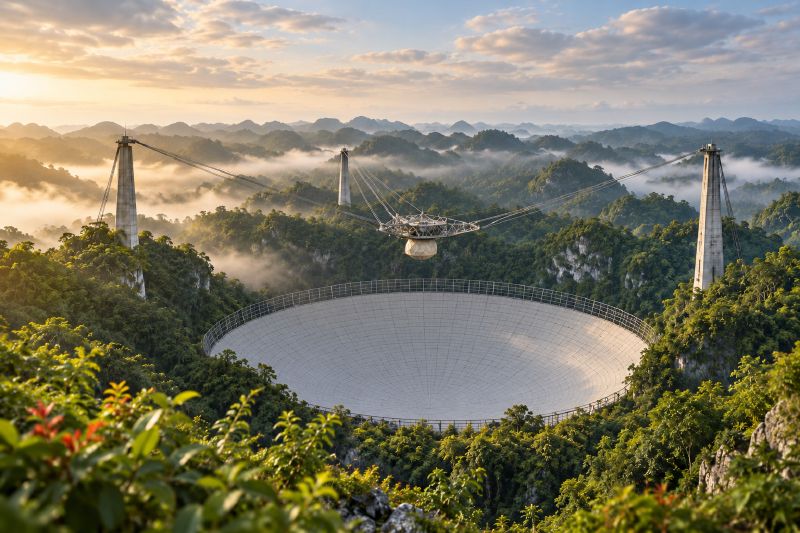
A Pentagon-funded radar became Puerto Rico's Arecibo telescope
The US military funded Arecibo in Puerto Rico to study the ionosphere and perhaps track missiles. Astronomers turned it into a famous radio telescope.
A world in motion.
A moment to understand it.
Every story tagged #cold-war.
The US military funded Arecibo in Puerto Rico to study the ionosphere and perhaps track missiles. Astronomers turned it into a famous radio telescope.
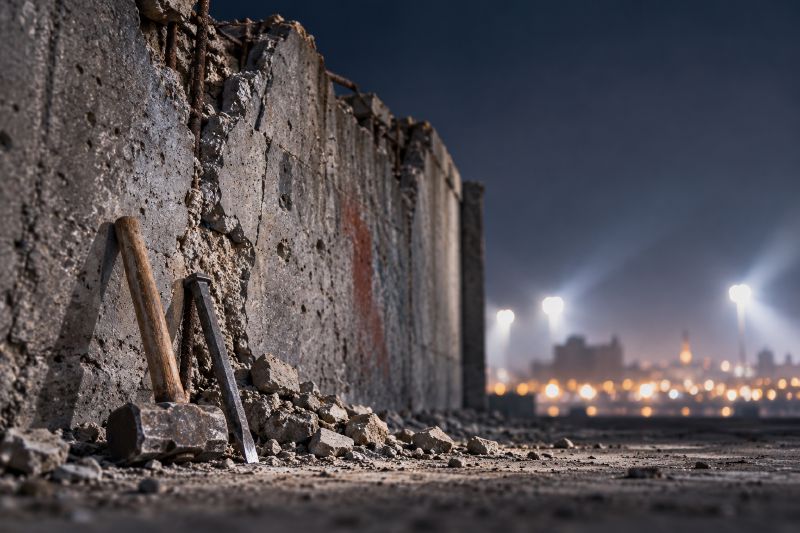
The Berlin Wall fell on 9 November 1989. The BBC and National Geographic trace how a botched press briefing turned months of protest into an open border.
The 1968 Non-Proliferation Treaty recognised five nuclear-weapon states and asked everyone else to go without. The deal rested on a promise to disarm.
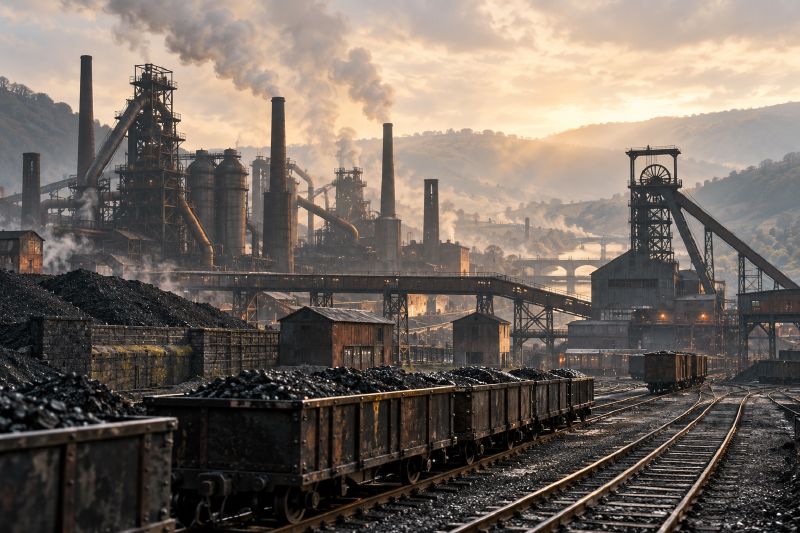
The European Coal and Steel Community put French and German heavy industry under one authority in 1952. Its commission, court and assembly became the EU's.
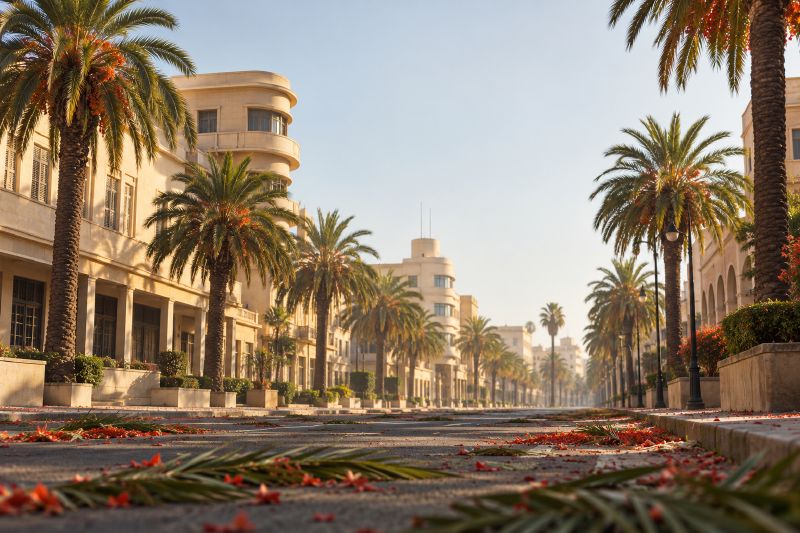
Eritrea's 30-year war with Ethiopia ended when rebel fighters marched into Asmara on 24 May 1991. A UN-supervised referendum in 1993 made independence formal.
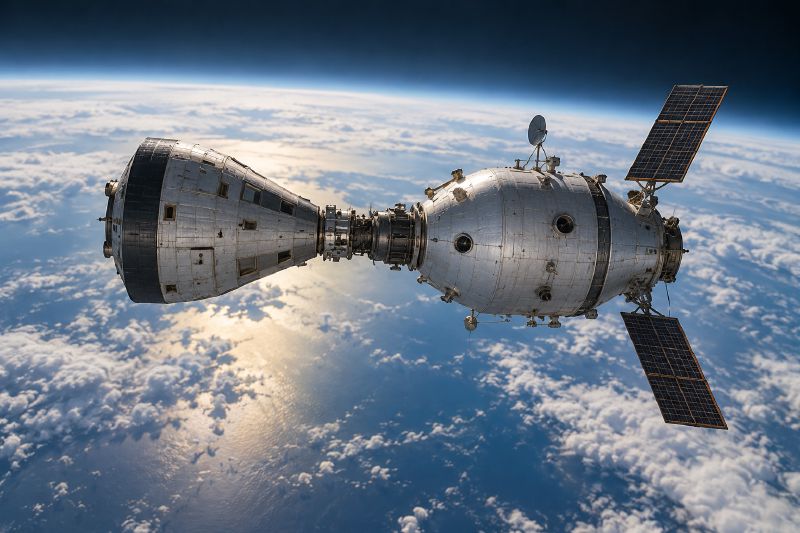
On July 17, 1975, an American Apollo and a Soviet Soyuz docked in orbit. Years of thawing relations, language lessons and a shared hatch made it happen.
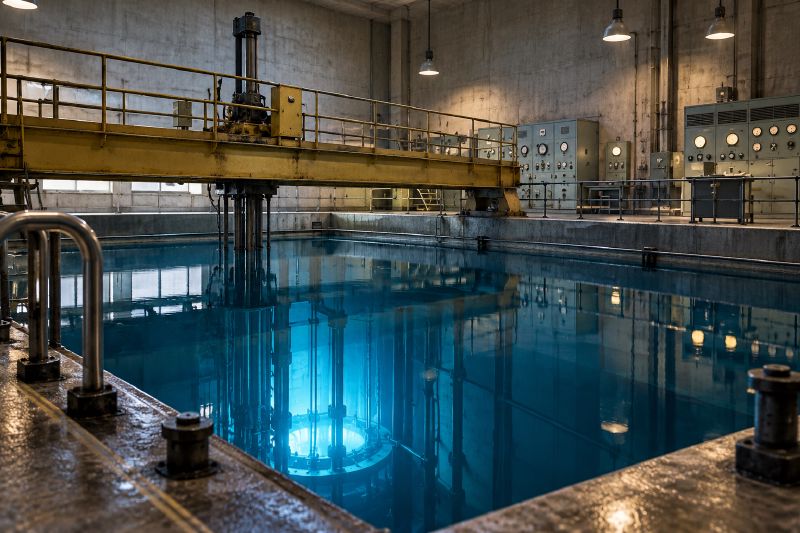
Eisenhower's 1953 Atoms for Peace speech called for an international atomic agency, set up in 1957. His reactor-sharing programme also gave Iran its start.
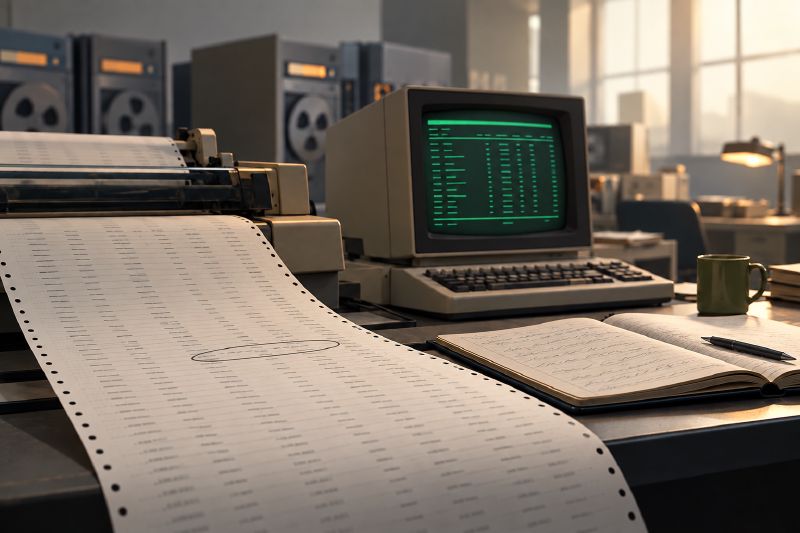
In 1986 astronomer Cliff Stoll chased a 75-cent gap in a lab's computer bill and found German hackers who had sold their access to the KGB.
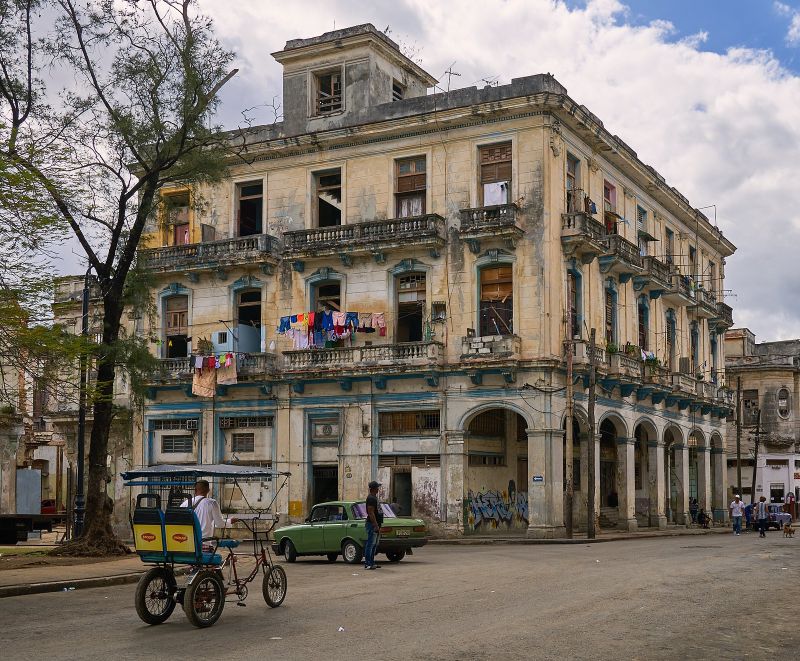
Many of the volunteers were teenagers who lived with rural families. By the end of 1961, about 75% of the million adults had basic literacy.