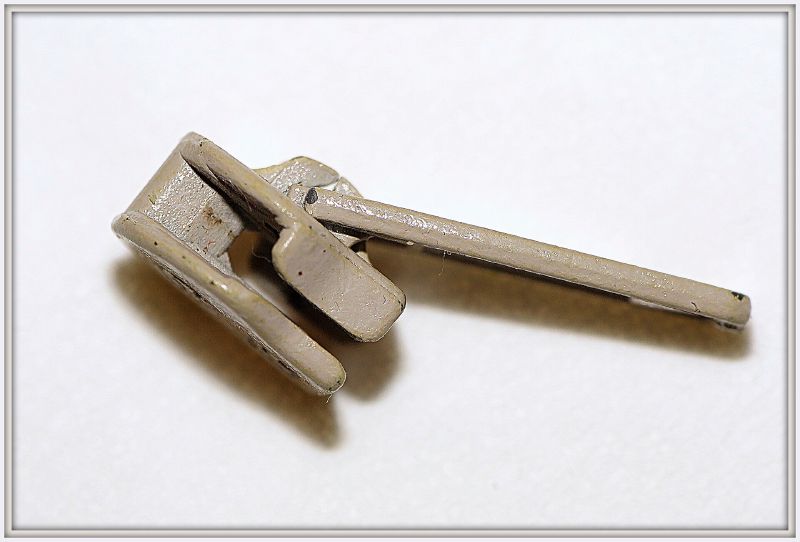
Your zip began as a shoe fastener that barely worked
Whitcomb Judson's 1893 clasp locker jammed and flopped. Gideon Sundback's scoops, a navy money belt and a rubber boot made it the zip.
A world in motion.
A moment to understand it.
Every story tagged #design-history.
Whitcomb Judson's 1893 clasp locker jammed and flopped. Gideon Sundback's scoops, a navy money belt and a rubber boot made it the zip.
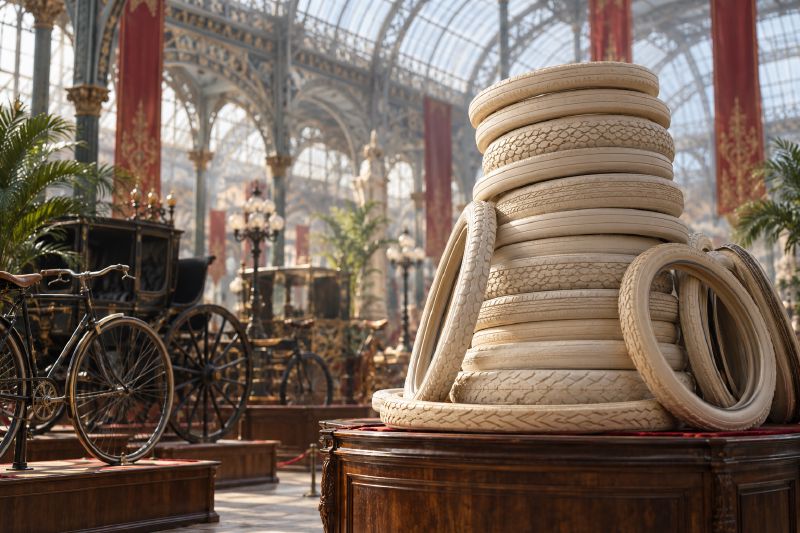
Bibendum, the Michelin Man, was first drawn in 1898 after a stack of tyres caught a Michelin brother's eye. He began as a cigar-chomping drinker.
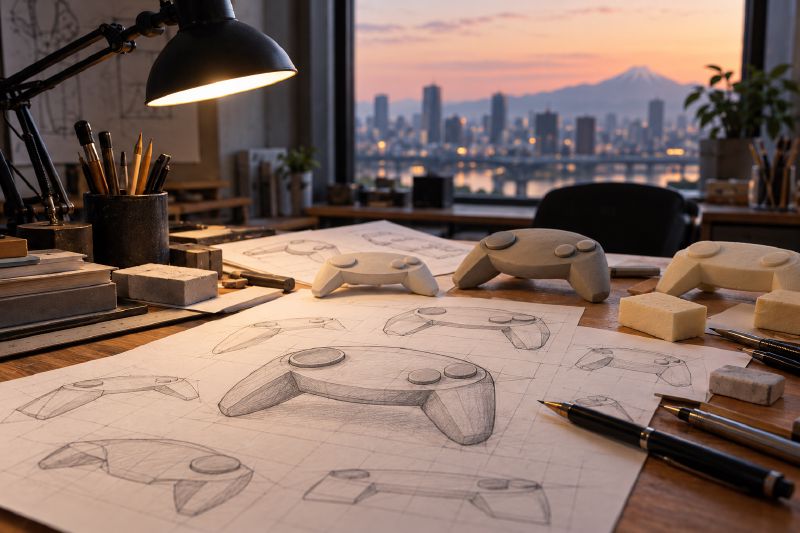
Teiyu Goto gave the 1994 PlayStation pad grips and four symbols. The triangle meant viewpoint, the square a menu, and the circle and X yes and no.
The Bauhaus lasted from 1919 until the Nazis shut it in 1933, yet its white walls, steel chairs and factory-made lamps still set what modern looks like.
Carolyn Davidson billed Nike $2 an hour for 17.5 hours of work on its new logo in 1971. Phil Knight's first reaction was that he didn't love it.
Gary Anderson was 23 when he won a 1970 contest to design a recycling logo. The EPA now says his arrows mislead on plastics that are hard to recycle.
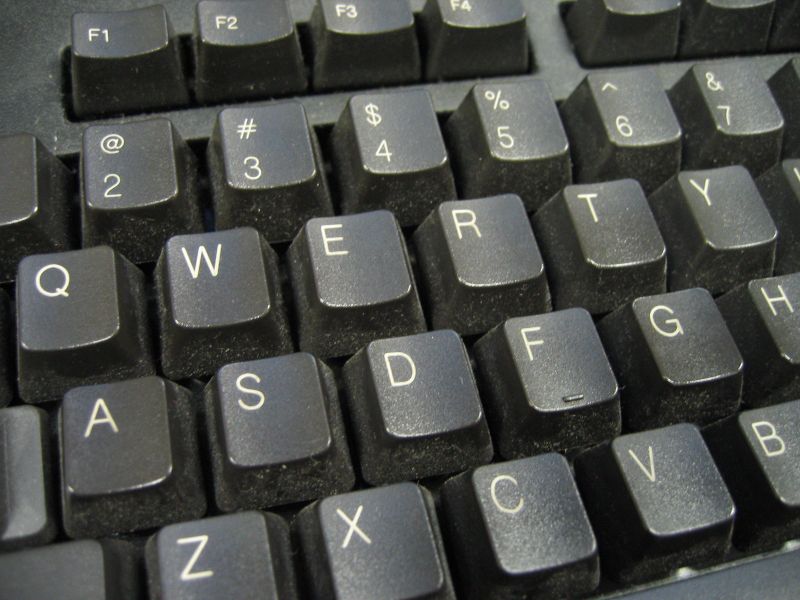
The usual story says QWERTY stopped typebars jamming. A 2011 Kyoto University paper traces the layout to the needs of telegraph operators.
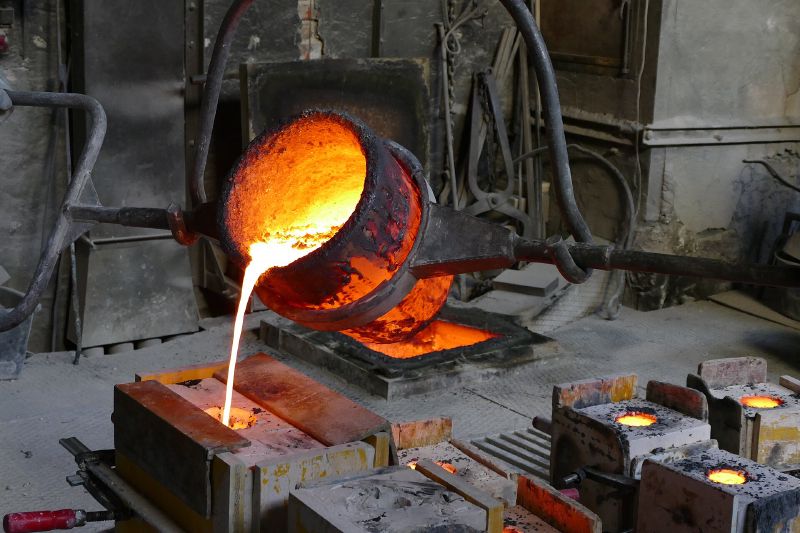
Wax is buried in a mould, melted out and replaced with molten bronze. The method runs from Benin's royal casters to Leonardo's unfinished horse.
Max Miedinger drew a sans serif for a Swiss foundry in 1957. Stempel renamed it Helvetica when it licensed the design for Linotype in 1961.
In 1843, a busy London civil servant had no time to write to family and friends, so he commissioned an artist to design a card instead.
The Panama hat is woven in Ecuador. It took the name of the place it was sold and shipped through, and a 1906 photo of Theodore Roosevelt made it stick.