UNESCO stopped updating its atlas of endangered languages
UNESCO's atlas of endangered languages stopped updating in 2017, and the broader atlas meant to replace it is still not live.
A world in motion.
A moment to understand it.
Every story tagged #endangered-languages.
UNESCO's atlas of endangered languages stopped updating in 2017, and the broader atlas meant to replace it is still not live.
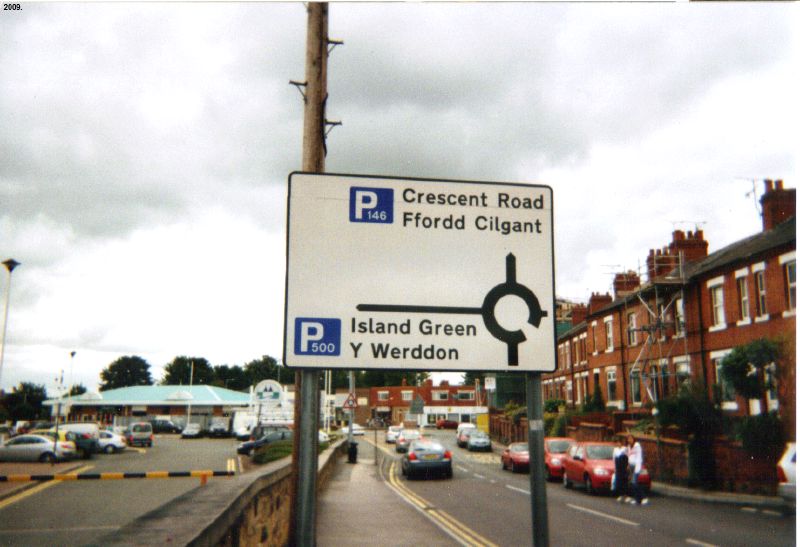
Cornish had shrunk to a handful of speakers by the 1700s. A 1904 handbook began its revival, and it now has official UK backing under a European charter.
Ainu had about 15,000 speakers in 1870 and 350 by 1917. Japanese policy nearly ended it. Laws, classes, radio and now AI are trying to bring it back.
For nearly 2,000 years Hebrew had no native speakers. Eliezer Ben Yehuda, and children taught in Hebrew-only classes, made it a mother tongue again.
A UK network asks if a language still needs a settled community, home use, job value and state funding. A UNESCO seminar urged cooperation and steady funding.
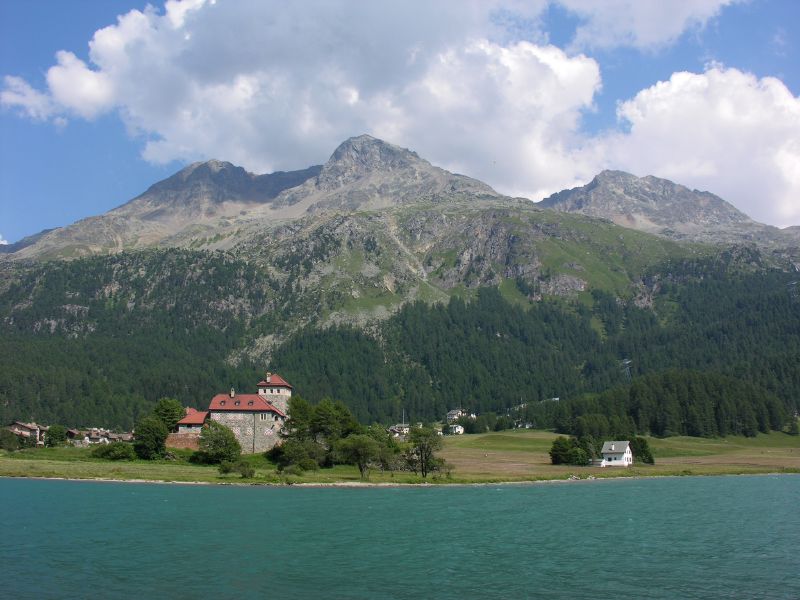
Switzerland has four national languages. In Graubünden's isolated valleys, Romansh split into five dialects, and it has since lost half its speakers.