Carbon capture buries a sliver of the CO2 the world emits
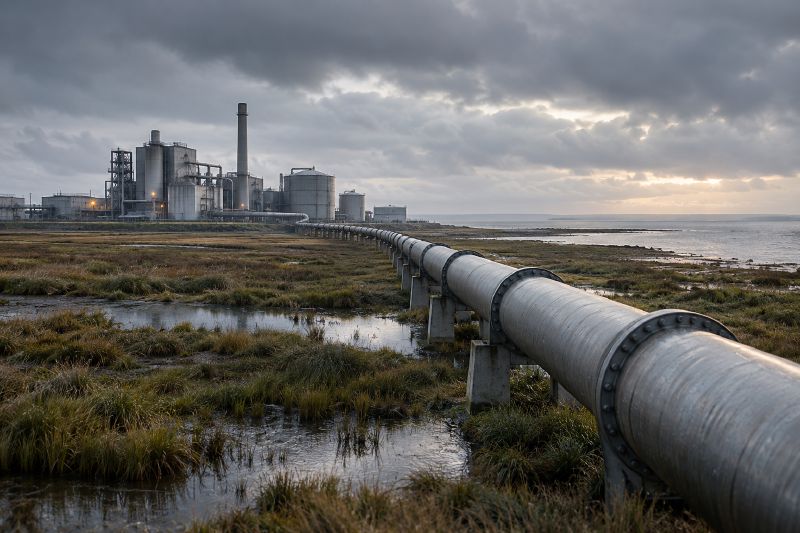
Carbon capture and storage takes about 45 million tonnes of CO2 a year, the BBC reports, against emissions above 40 billion. Britain regulates the pipes.
A world in motion.
A moment to understand it.
Every story tagged #energy.
Carbon capture and storage takes about 45 million tonnes of CO2 a year, the BBC reports, against emissions above 40 billion. Britain regulates the pipes.
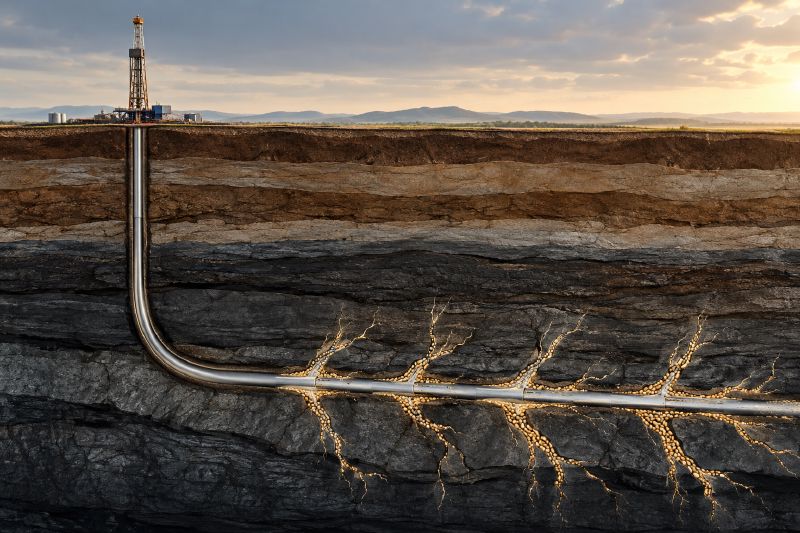
Fracking pumps water, sand and chemicals into tight rock until it splits, then lets the sand prop the cracks open so oil and gas can flow back up the well.
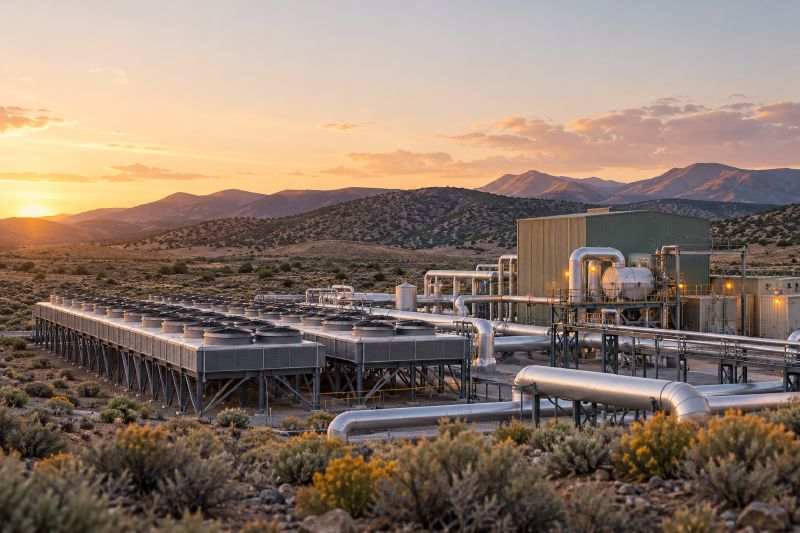
A binary-cycle geothermal plant hands hot water's heat to a fluid with a low boiling point. Its vapour spins the turbine, so cooler reservoirs make power.
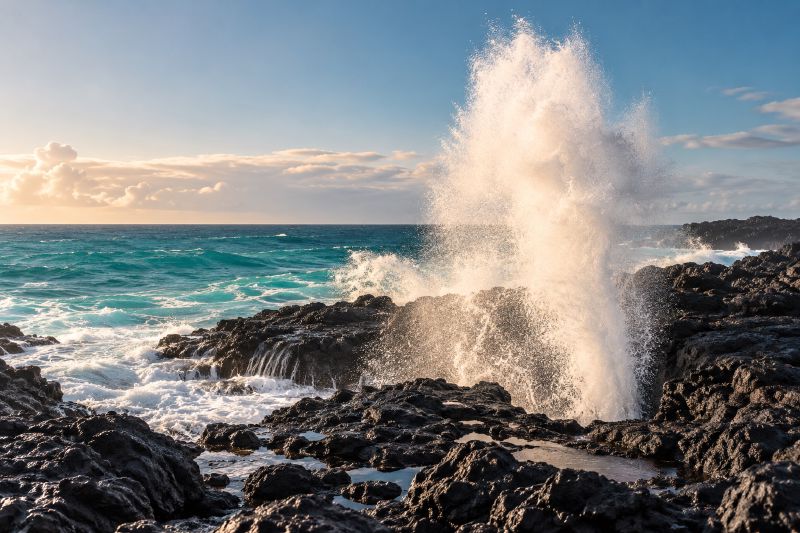
An oscillating water column uses rising and falling waves to pump air through a turbine. A University of Hawaii design copies a blowhole on Oahu.
India dropped 13 places in the 2026 Climate Change Performance Index, from 10th to 23rd, as its emissions rose and it set no date to phase out coal.
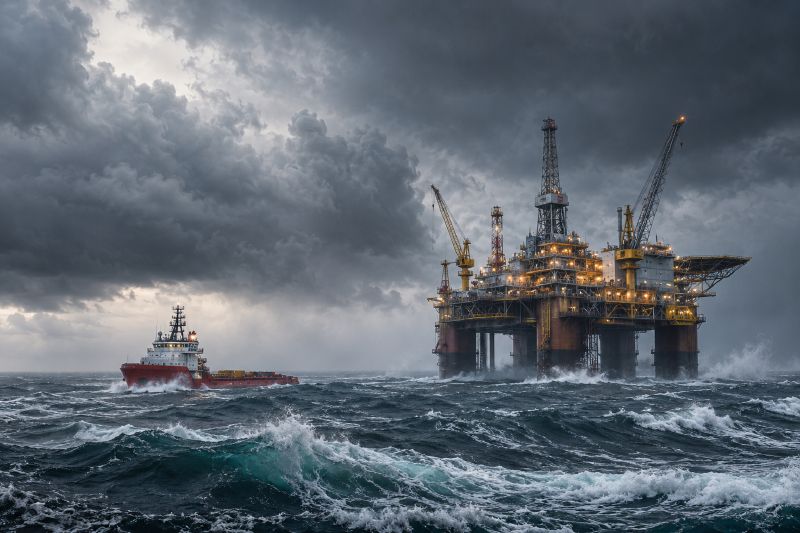
The UK Energy Profits Levy adds 38% to the tax on North Sea oil and gas profits, for a 78% total. It has raised about £12bn and runs until March 2030.
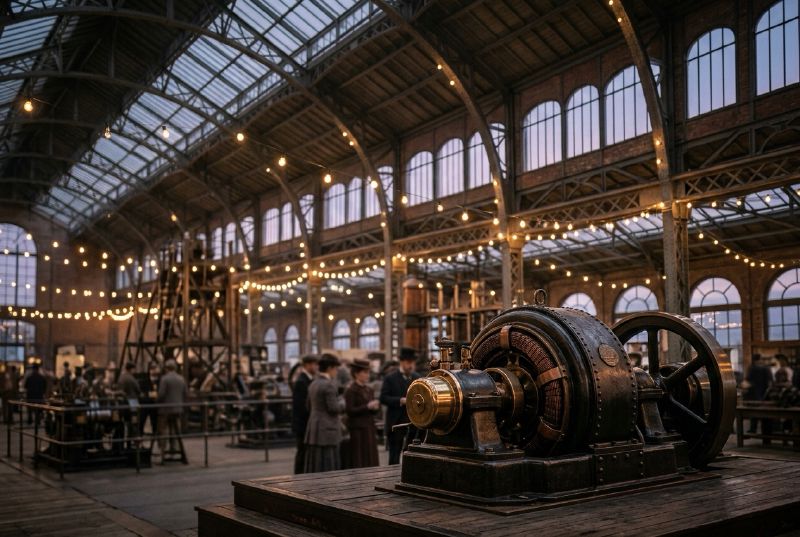
Westinghouse bid $399,000 against General Electric's $554,000 to light the 1893 Chicago fair, and the win helped settle the AC-DC rivalry.
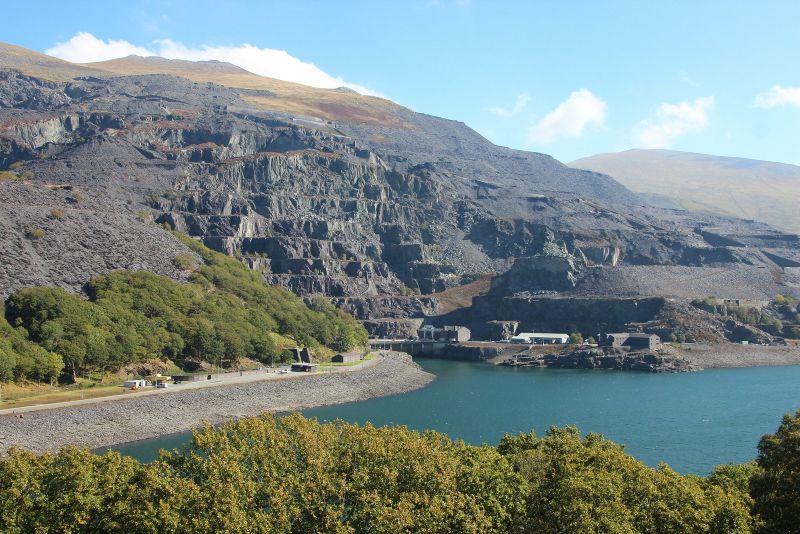
A pumped-hydro plant stores energy as water lifted to a high reservoir, then lets it fall through turbines to give the power back when demand peaks.
Air conditioning warms the planet twice, through the power it draws and the gas inside it. The UN's Mark Radka puts cooling at 7% of global emissions.
Installers drill through a UK home's outer brick and inject insulation into the cavity. A typical job costs about £2,200 and could save up to £370 a year.
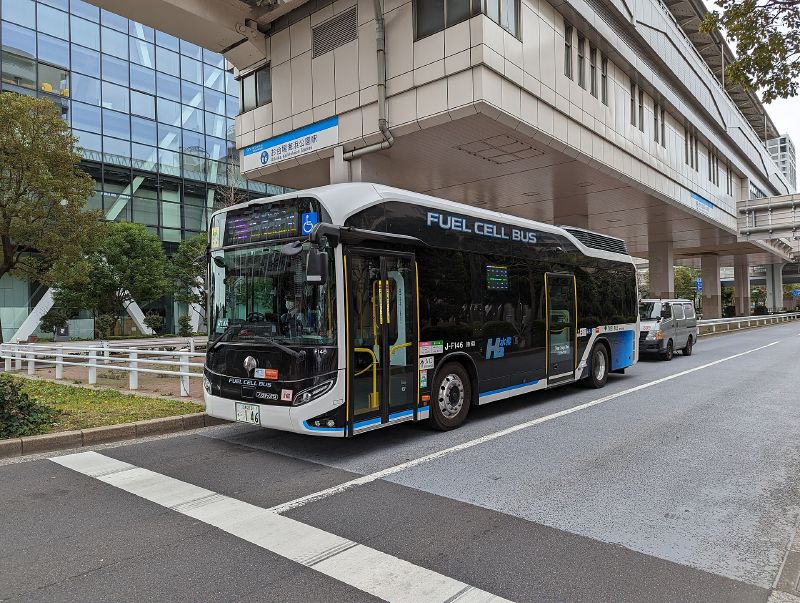
A fuel cell splits hydrogen into protons and electrons, sends the electrons round a circuit and makes water. It can beat a petrol engine on efficiency.
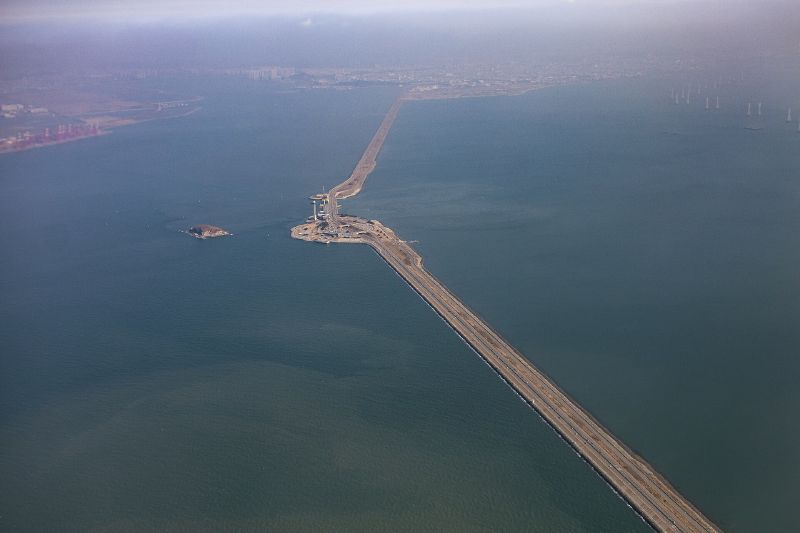
A tidal lagoon walls off part of the sea, then lets the height difference between the tide and the lagoon push water through turbines twice a tide.
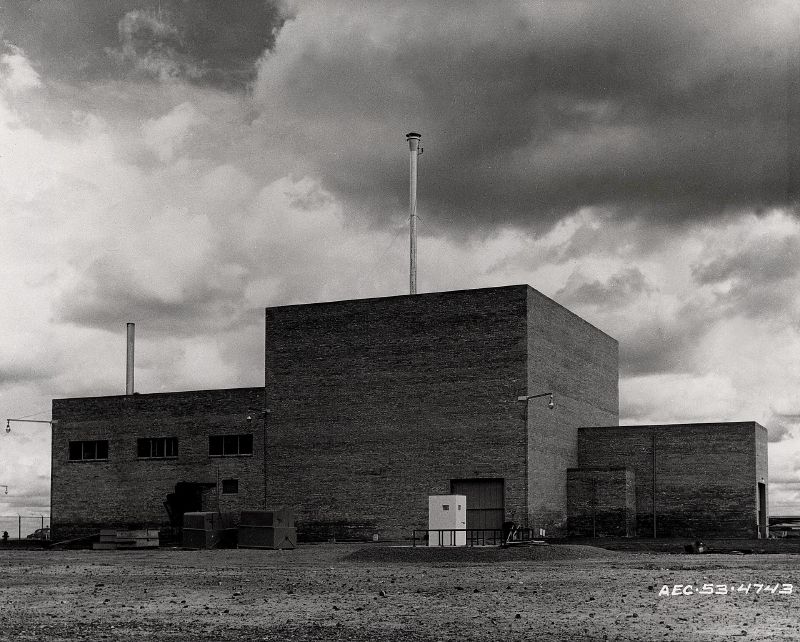
A breeder reactor turns leftover uranium into plutonium fuel. The US Department of Energy says recycling it could need 100 times less uranium.
Three Bell Labs scientists turned silicon into a 6% efficient solar cell in 1954, more than a century after the photovoltaic effect was first observed.
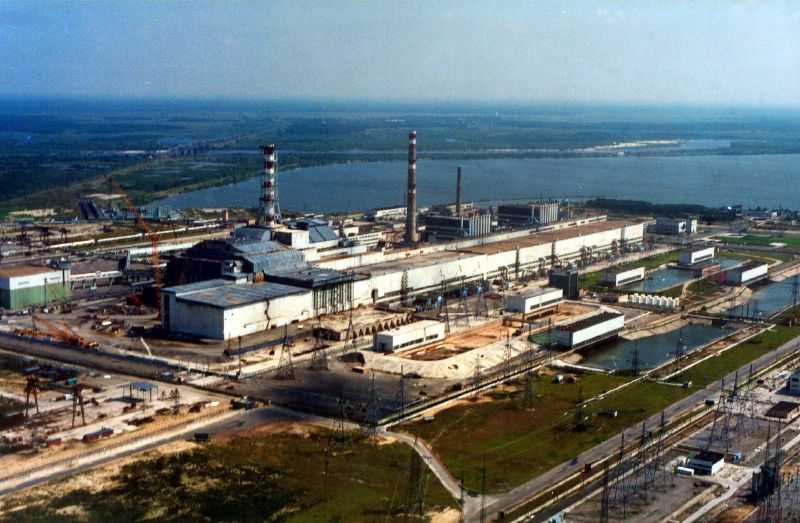
Chernobyl's reactor 4 had no containment structure to stop its 1986 explosion. In 2017 engineers slid the New Safe Confinement, a steel arch, over the ruin.
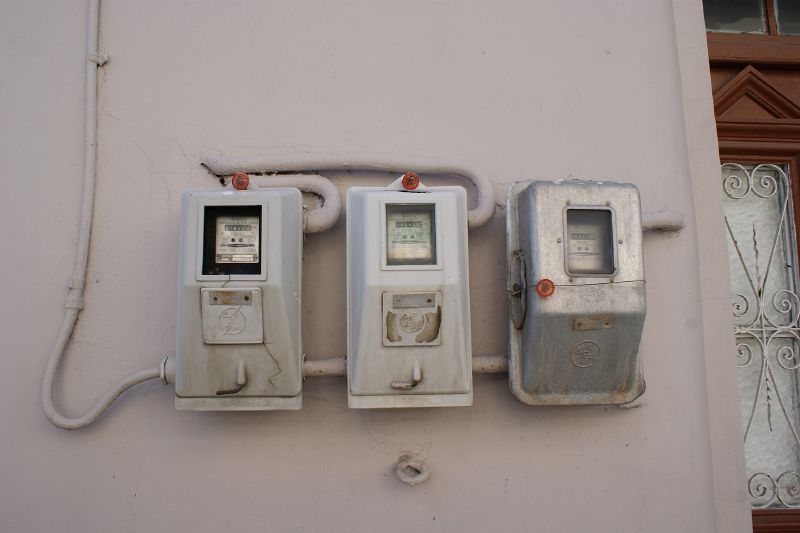
The UK's Energy Bills Support Scheme began as a £200 loan and became a £400 grant costing £12bn. It closed along with the seven other energy support schemes.
AI uses water mostly to cool data centre chips, but how much depends on the site, the season and the cooling design. Nobody yet agrees how to count it.