Six countries pooled coal and steel, and built the EU's machinery
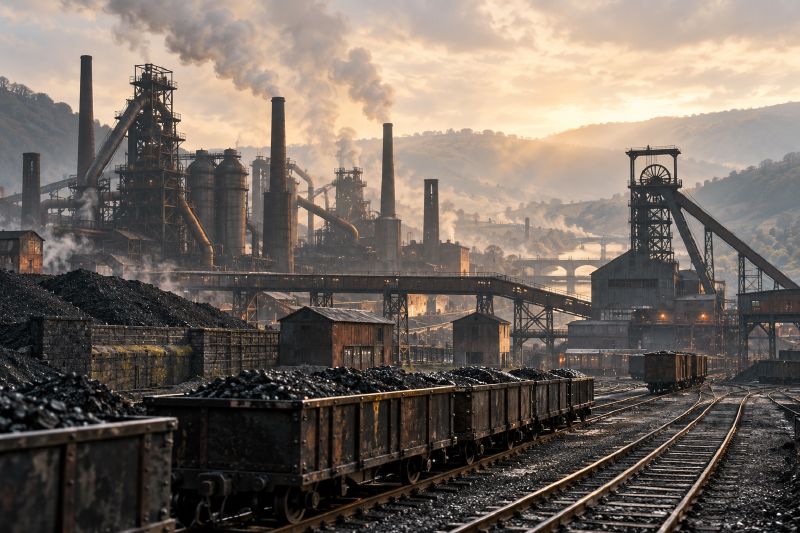
The European Coal and Steel Community put French and German heavy industry under one authority in 1952. Its commission, court and assembly became the EU's.
A world in motion.
A moment to understand it.
Every story tagged #france.
The European Coal and Steel Community put French and German heavy industry under one authority in 1952. Its commission, court and assembly became the EU's.
France picked Kourou in French Guiana in 1964 from 14 sites. Near the equator, rockets gain 460 metres a second from Earth's spin, and the sea is downrange.
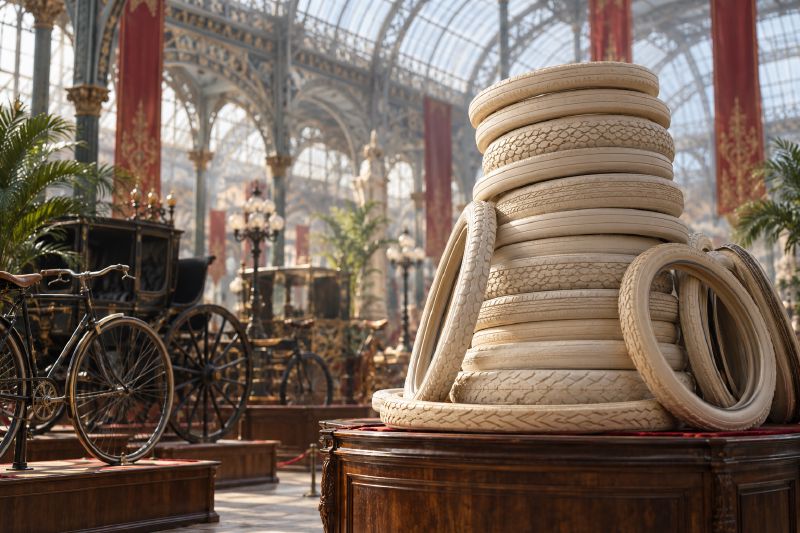
Bibendum, the Michelin Man, was first drawn in 1898 after a stack of tyres caught a Michelin brother's eye. He began as a cigar-chomping drinker.
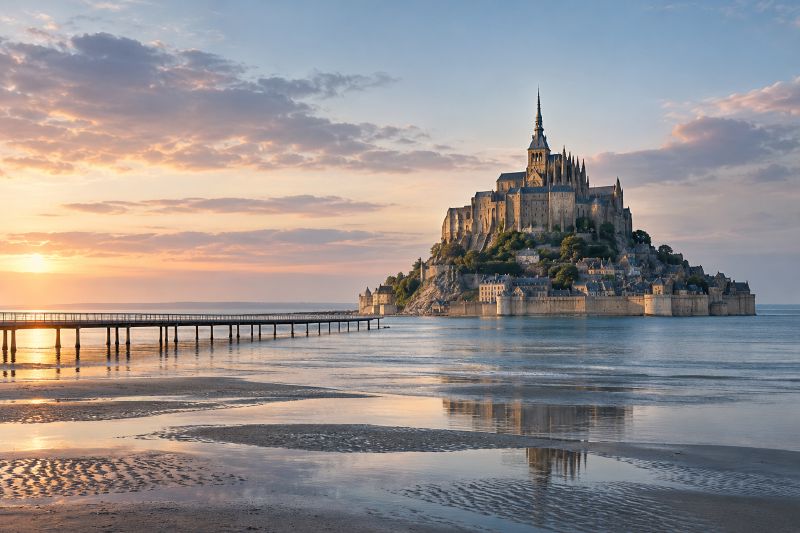
A causeway built in 1878 let silt choke the bay around Mont-Saint-Michel. France tore it out and dammed a river to flush the mud back to sea.
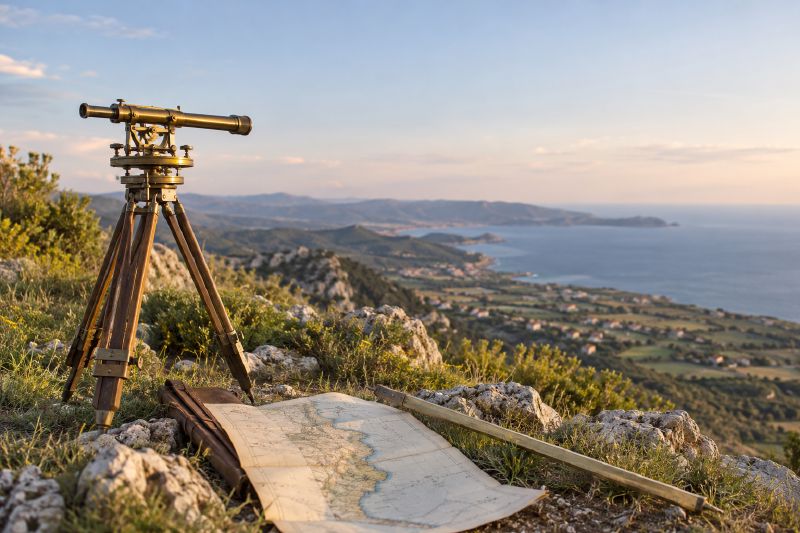
In 1792 two French astronomers set out to measure the meridian to fix the metre. It came out 0.2mm short, and Méchain hid readings that did not agree.
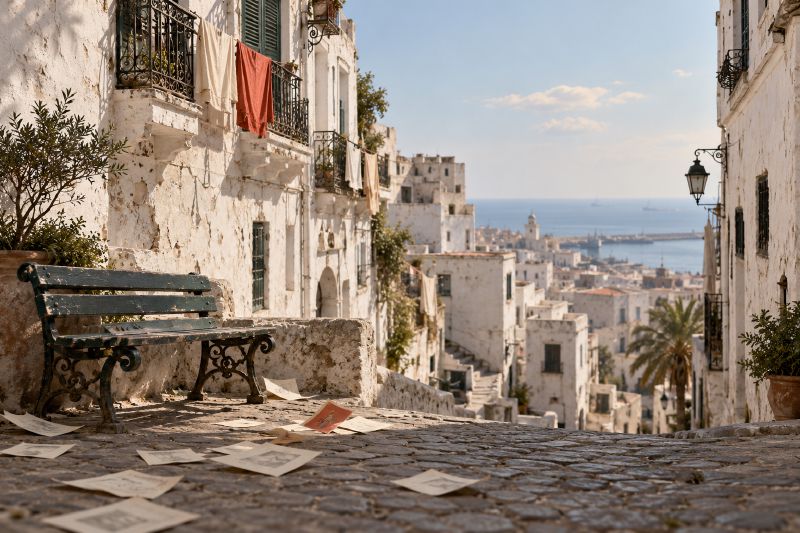
France called Algeria an integral part of the nation and fought from 1954 to keep it. The FLN won in 1962 by diplomacy, once de Gaulle negotiated peace.
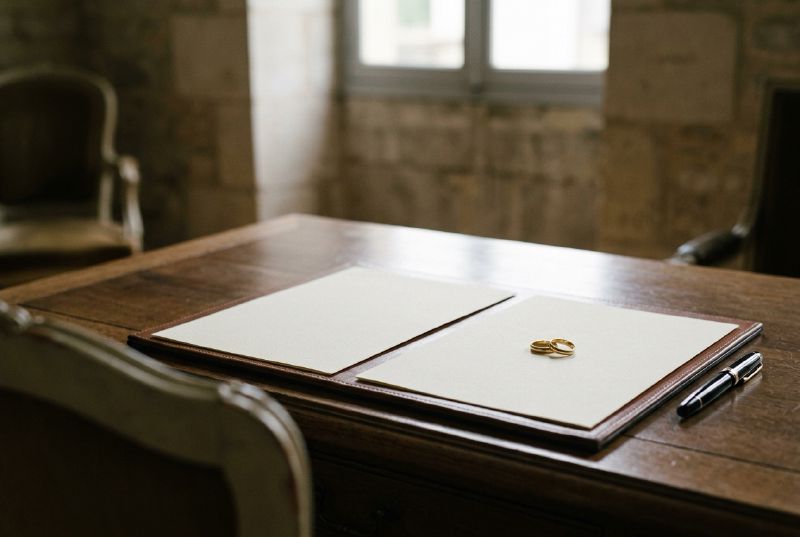
A PACS is France's civil partnership, open to couples of any kind. In 2016 France recorded 184,000 PACS and 225,000 marriages.
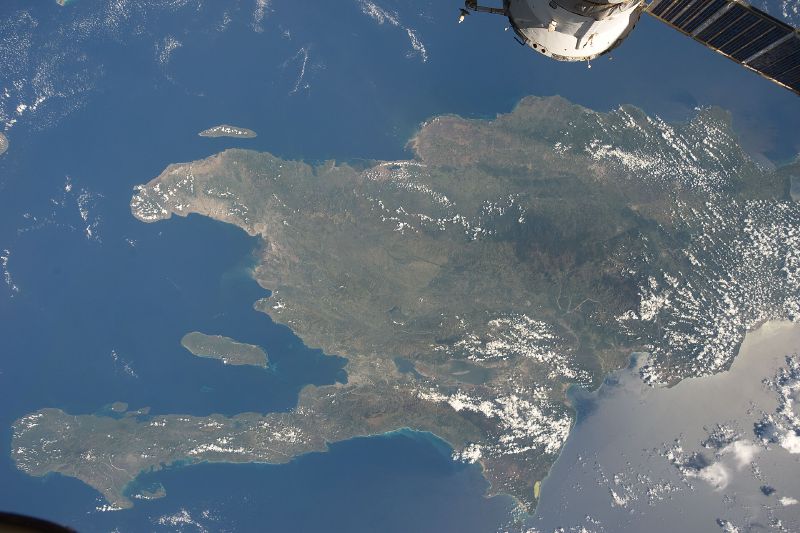
Spain ceded western Hispaniola to France in 1697, and it became Haiti. The Dominican Republic later broke away from Haiti, not Spain, in 1844.
Clair Obscur: Expedition 33 began as one Ubisoft developer's after-hours demo. A team found on Reddit and SoundCloud turned it into a Game of the Year.
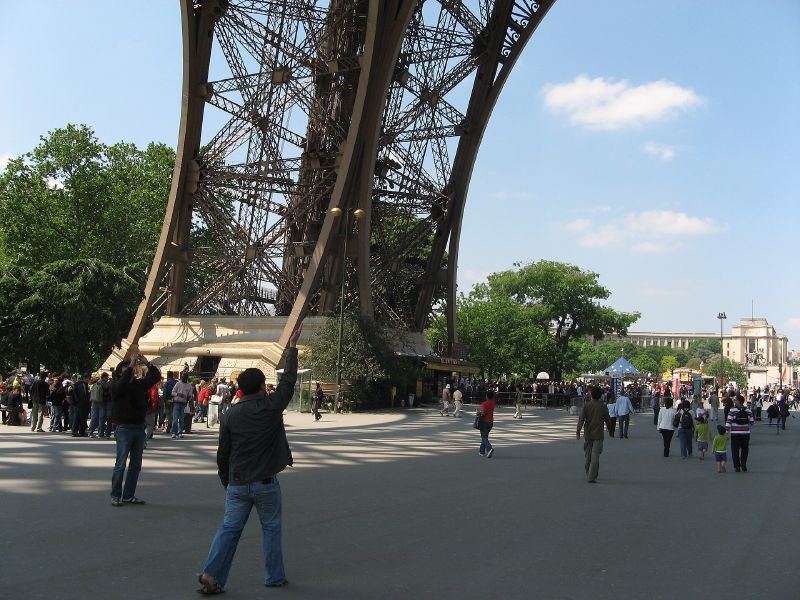
Eiffel Tower staff struck for a day after managers hid female colleagues during a Hindu group's visit, and city officials have opened an inquiry.
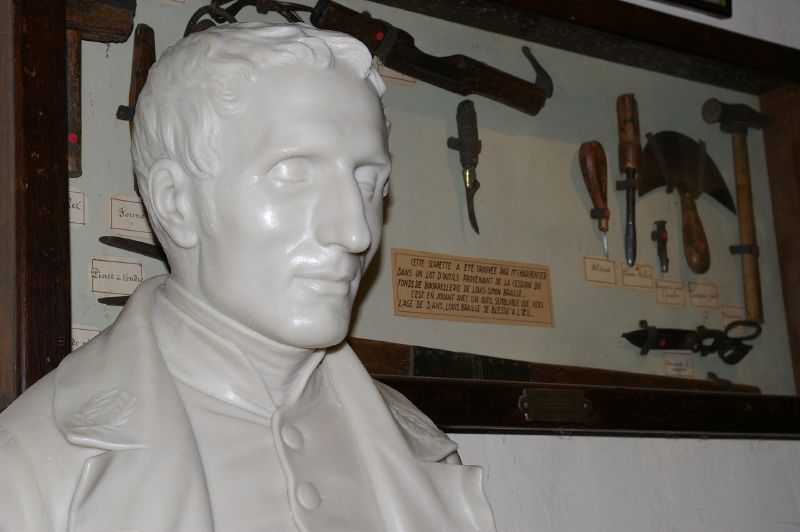
At 15, Braille reworked a soldier's code of raised dots into a six-dot cell blind people could read and write. He died before it spread widely.
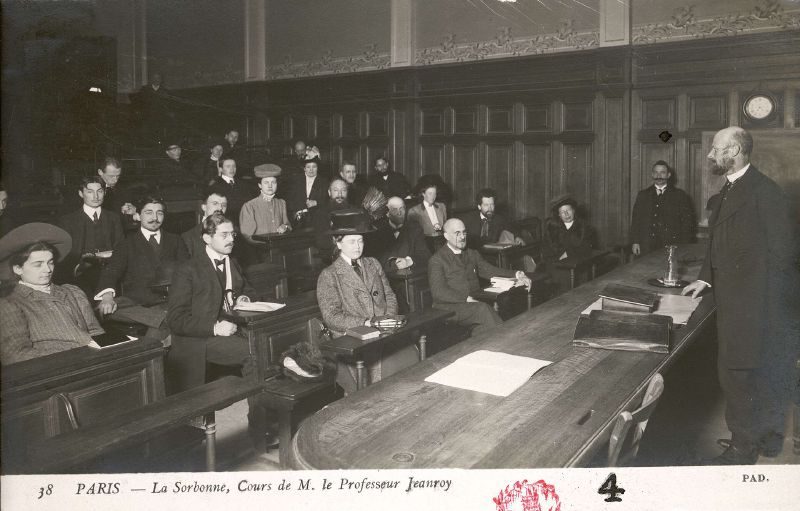
Robert de Sorbonne, a royal chaplain, opened a hostel for Paris students in 1257. Officially, the Sorbonne stopped being a university in 1970.
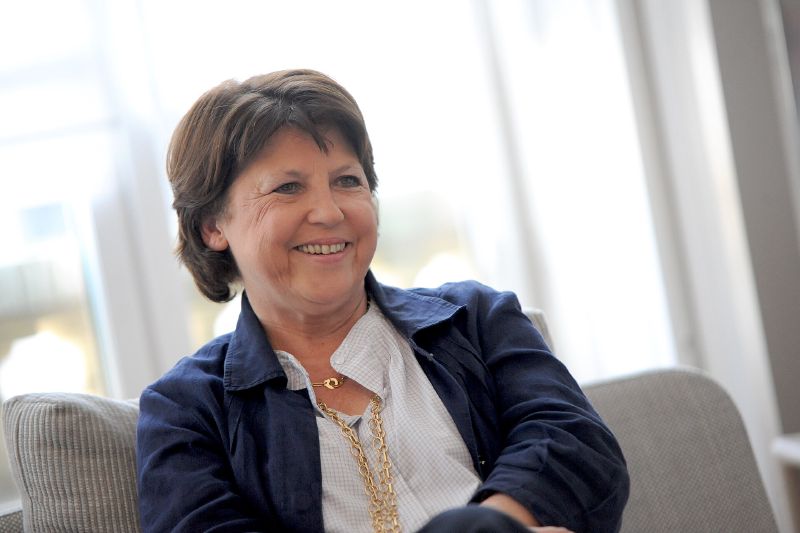
France's working week fell to 35 hours under the loi Aubry. Its real effect was to make firms renegotiate contracts around flexible, annualised hours.