The Catholic Index banned books for four centuries
From 1559 to 1966 the Catholic Church's Index of Forbidden Books barred Luther, vernacular Bibles, the Talmud and, in 1827, Kant's Critique of Pure Reason.
A world in motion.
A moment to understand it.
Every story tagged #history-of-science.
From 1559 to 1966 the Catholic Church's Index of Forbidden Books barred Luther, vernacular Bibles, the Talmud and, in 1827, Kant's Critique of Pure Reason.
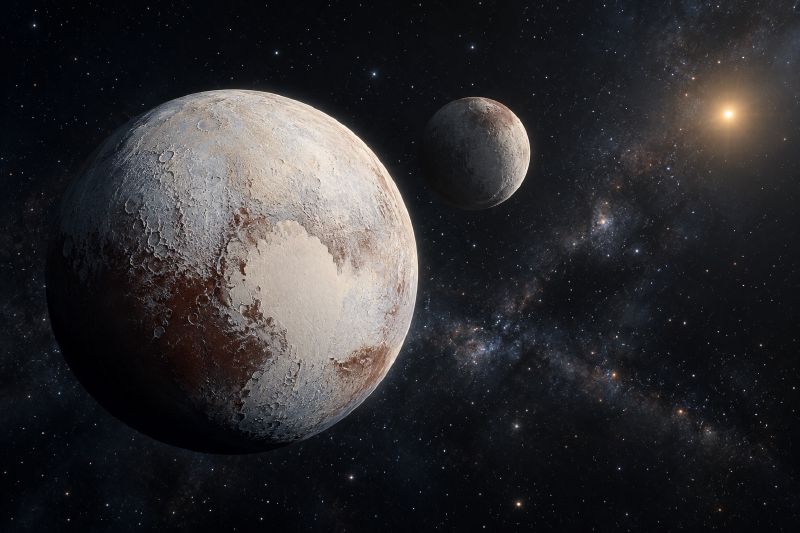
On August 24, 2006, astronomers in Prague voted on a definition of a planet. Pluto passed two of its three tests and became a dwarf planet.
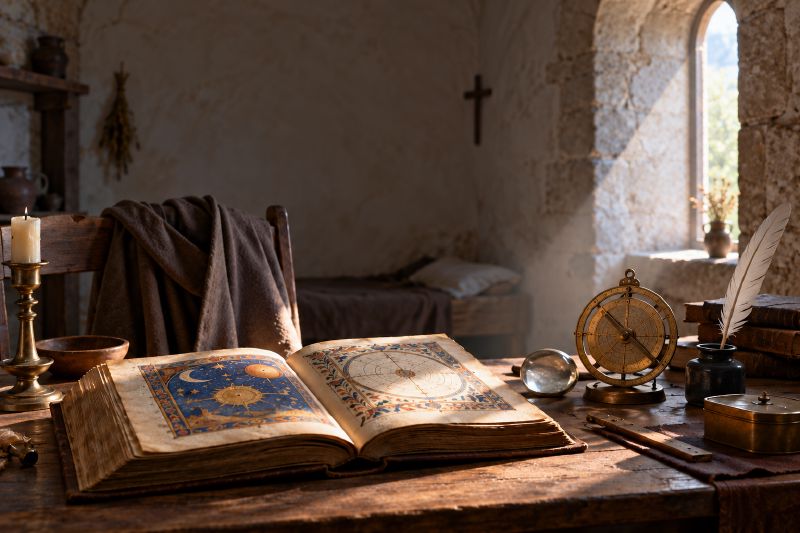
In 1266 Pope Clement IV asked a confined Franciscan friar for his writings. Roger Bacon had none, so he spent a year writing the Opus Majus.
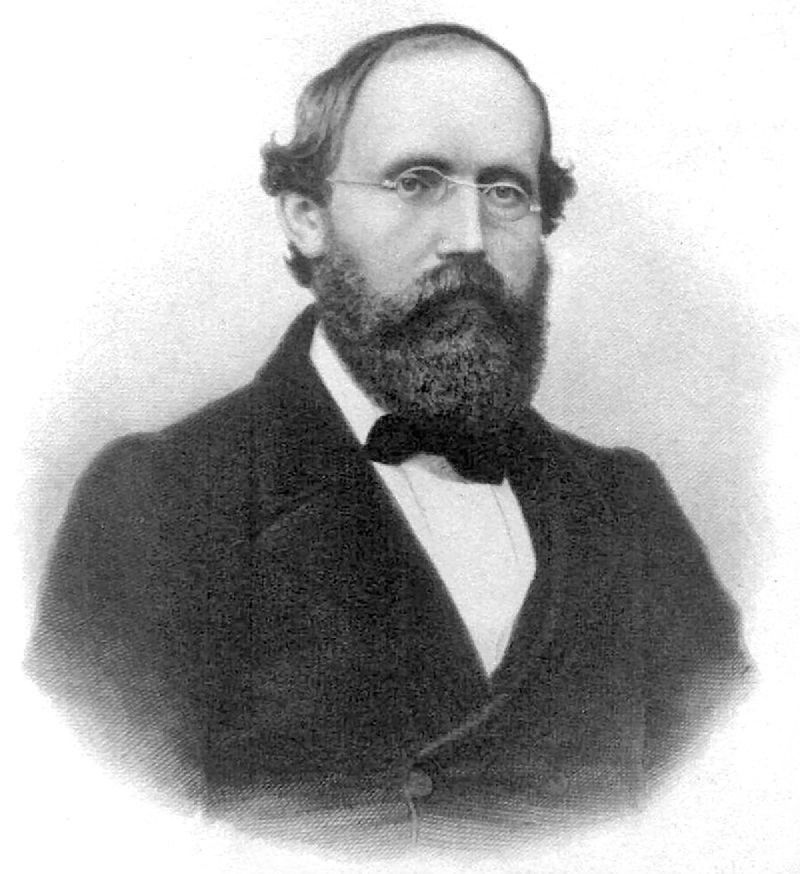
Bernhard Riemann's 1854 lecture on curved space sat mostly ignored for decades before Albert Einstein built general relativity on its ideas in 1915.
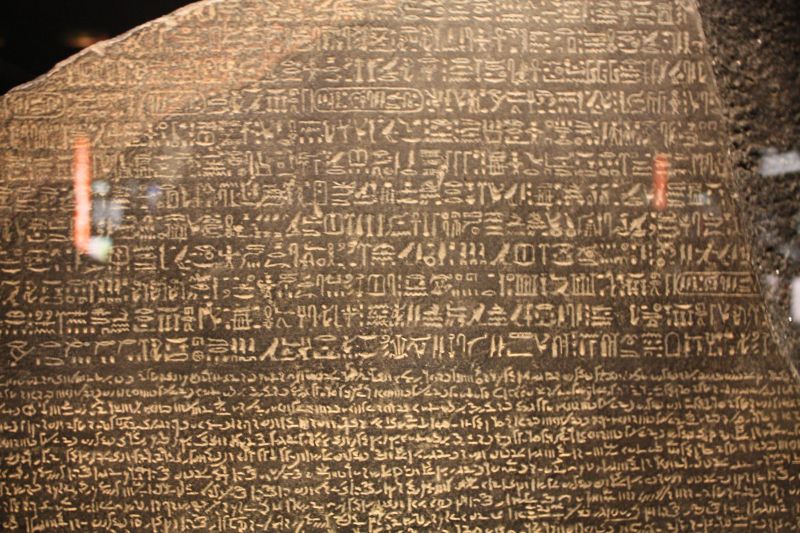
A priests' decree of 196 BC, carved in three scripts, let Jean-François Champollion read hieroglyphs in 1822. Thomas Young had laid the groundwork.
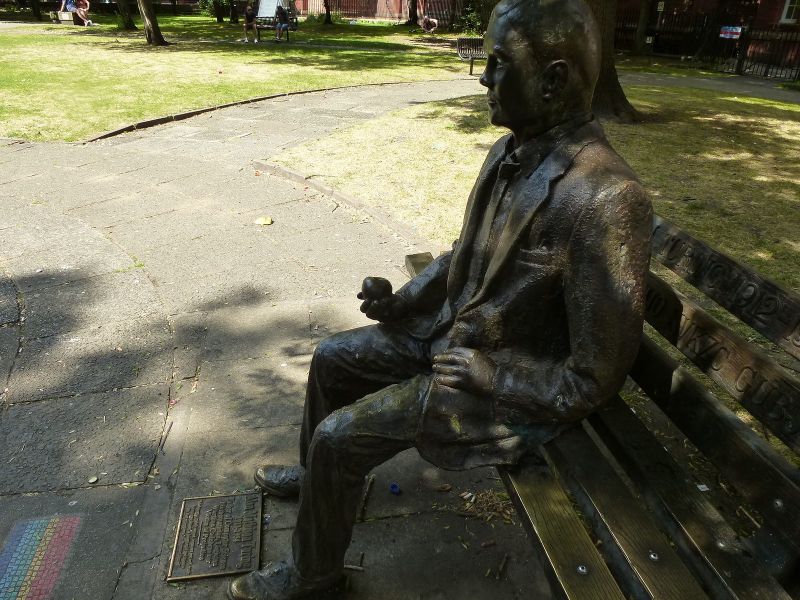
In 1936, Alonzo Church tied effective calculation to his lambda calculus. Alan Turing's work reached the same result on a related problem.
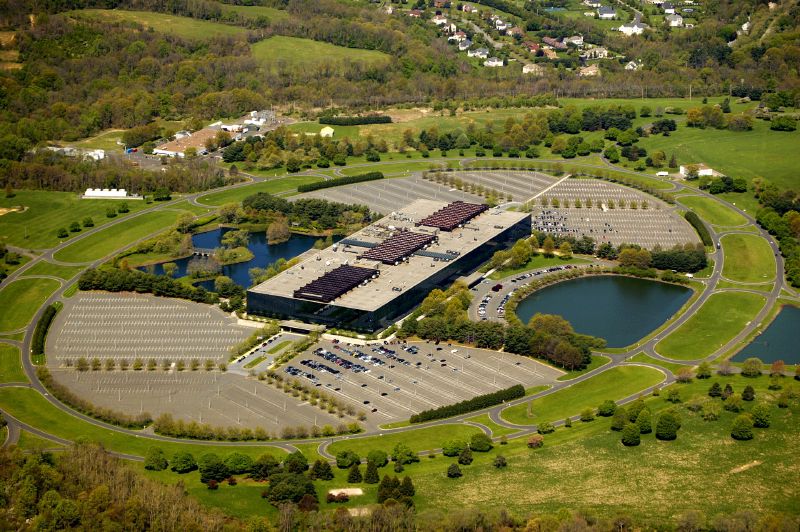
Three Bell Labs scientists turned silicon into a 6% efficient solar cell in 1954, more than a century after the photovoltaic effect was first observed.
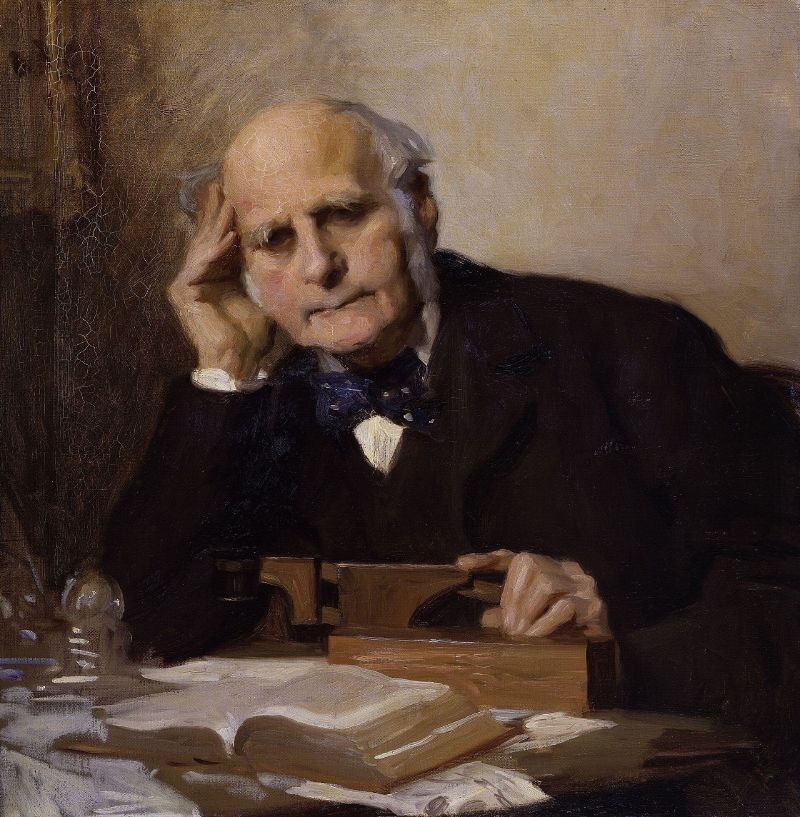
At a 1906 Plymouth livestock show, 787 people guessed an ox's weight. Most were wrong, yet their average landed within one per cent of the truth.
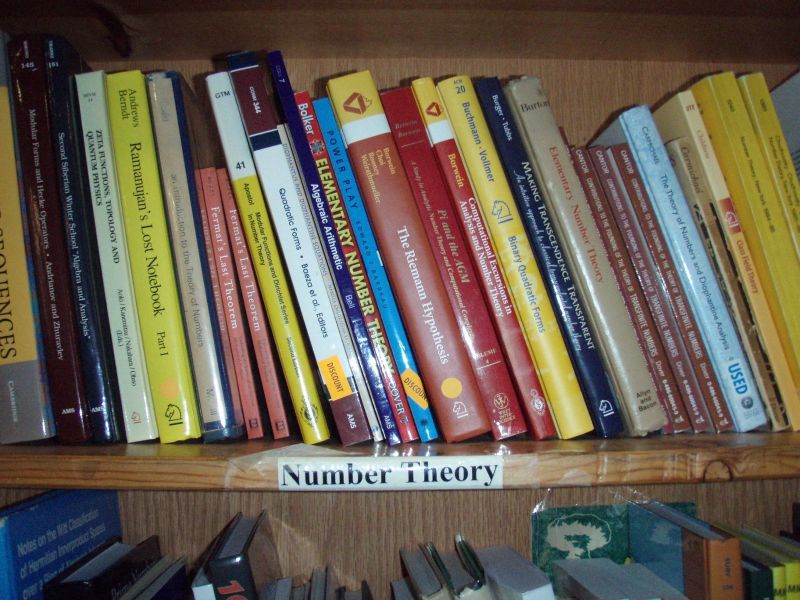
In 1742, Christian Goldbach told Euler that every even number over 2 is the sum of two primes. Nobody has proved it since.
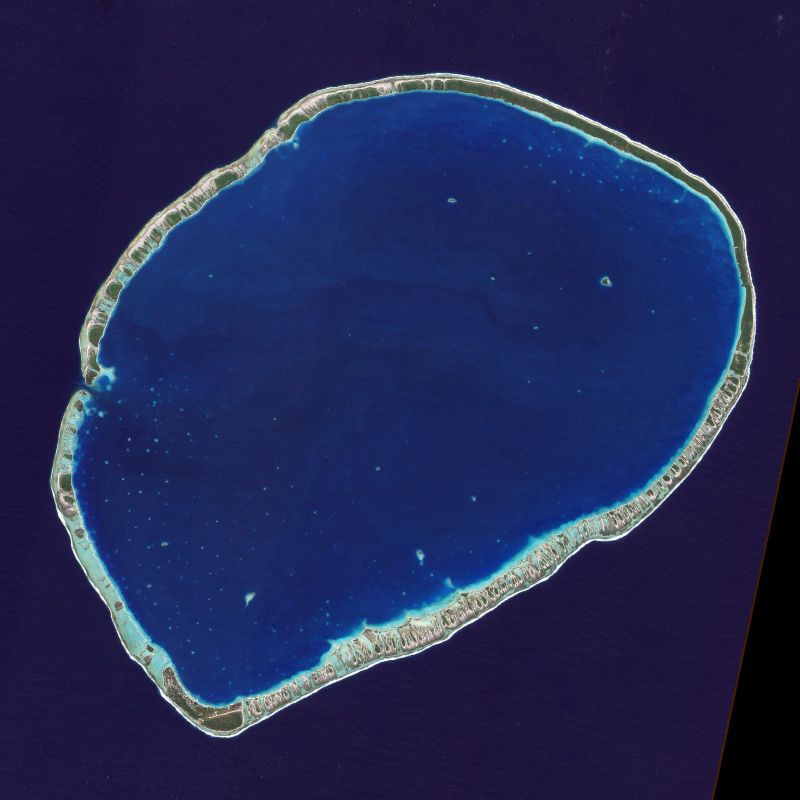
Darwin said a reef round a sinking volcano becomes a barrier reef, then an atoll. Drilling confirmed the sinking, but two geologists now credit sea level.