Your zip began as a shoe fastener that barely worked
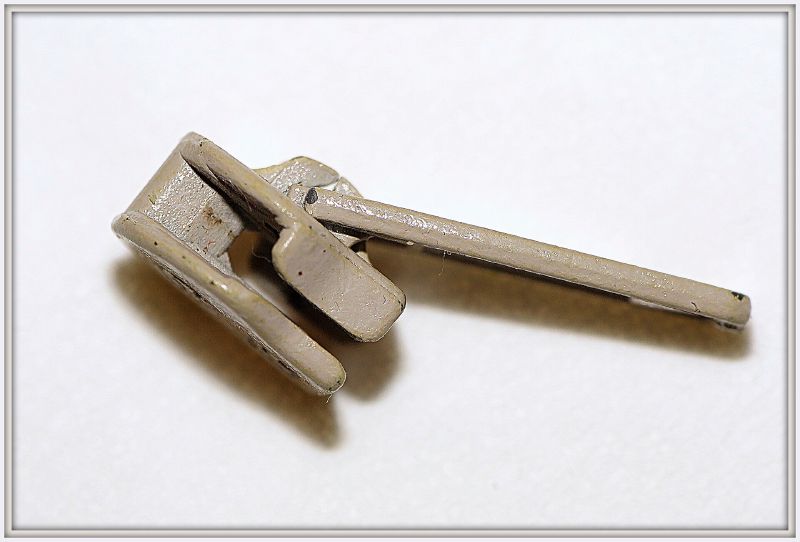
Whitcomb Judson's 1893 clasp locker jammed and flopped. Gideon Sundback's scoops, a navy money belt and a rubber boot made it the zip.
A world in motion.
A moment to understand it.
Every story tagged #inventions.
Whitcomb Judson's 1893 clasp locker jammed and flopped. Gideon Sundback's scoops, a navy money belt and a rubber boot made it the zip.
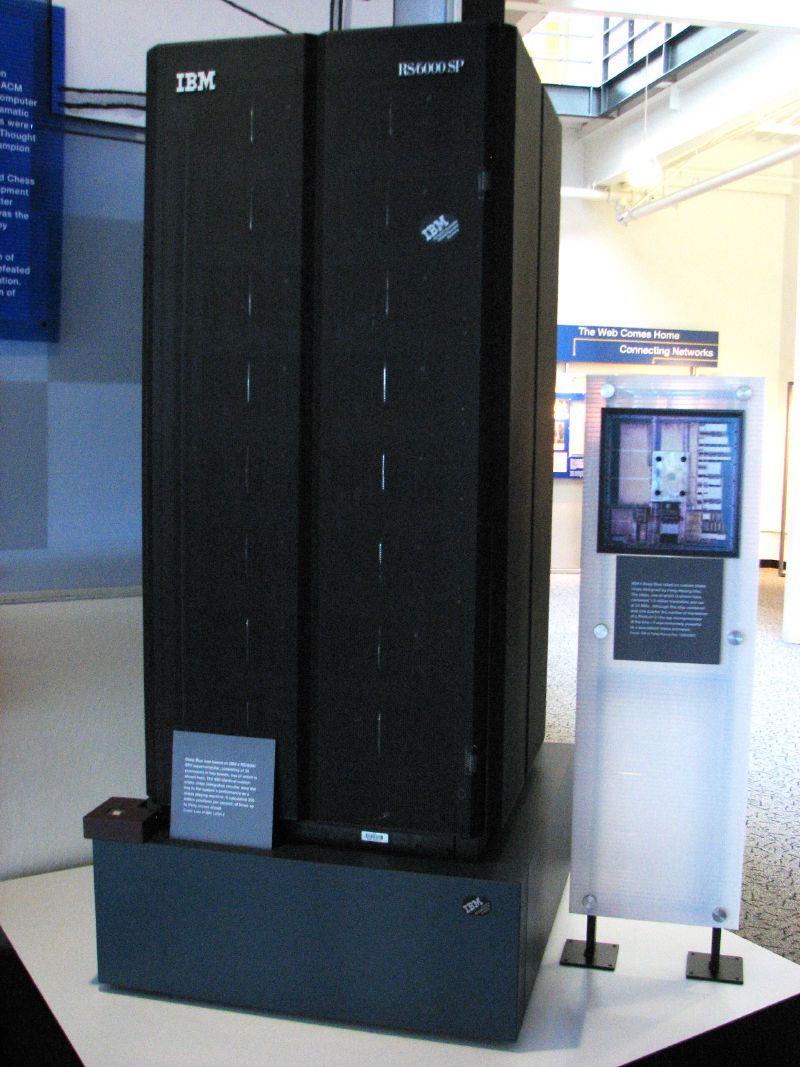
After losing to Garry Kasparov in 1996, IBM doubled Deep Blue's speed and taught it to bide its time before opening a file. In May 1997 it won.
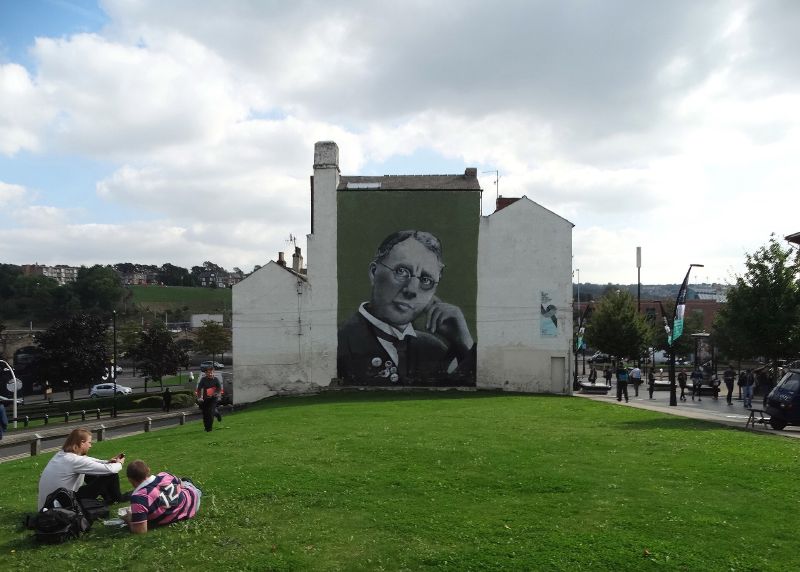
Harry Brearley was hunting for a steel that would stop gun barrels wearing away. In 1913 his Sheffield lab produced one that would not rust instead.
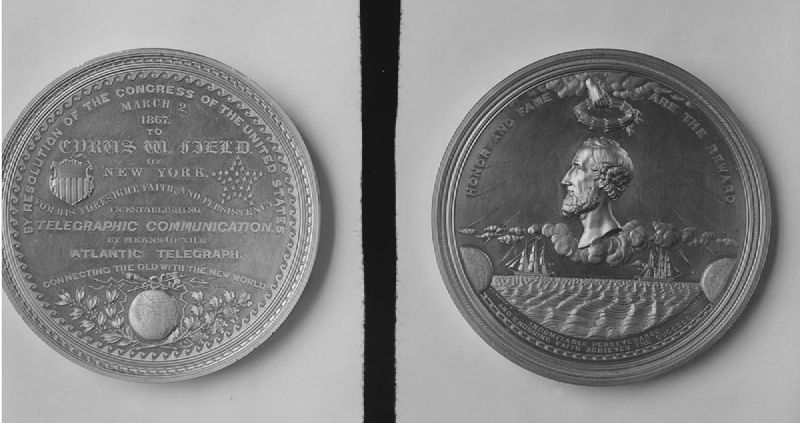
Cyrus Field spent nine years and three failed cable attempts trying to link Europe and America by telegraph, before a fourth attempt in 1866 finally held.
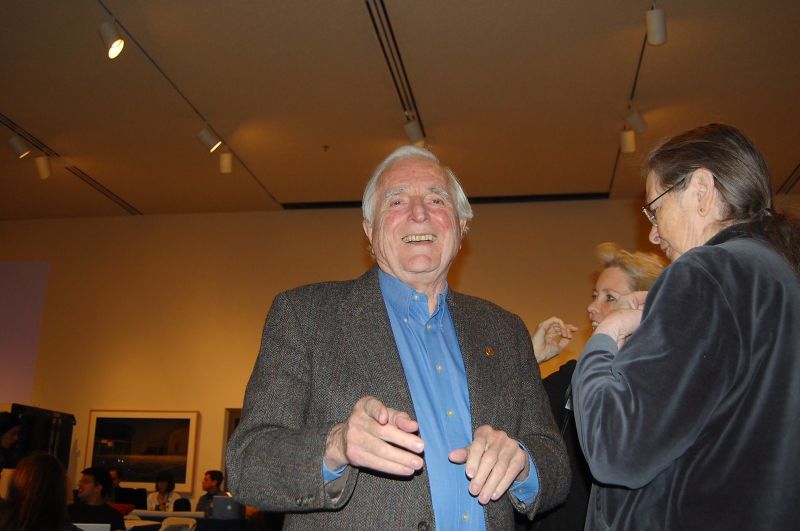
Douglas Engelbart's team at Stanford Research Institute tested a cannonball trackball, a joystick and a light panel. A wooden box on wheels beat them all.
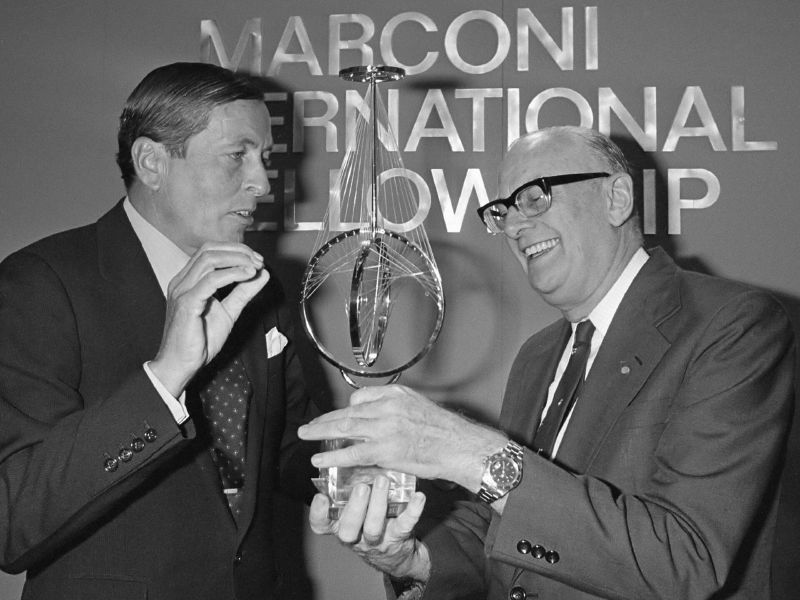
In 1945 Arthur C. Clarke proposed relay satellites in geostationary orbit. The first reached that orbit in 1964, and he never tried to patent it.
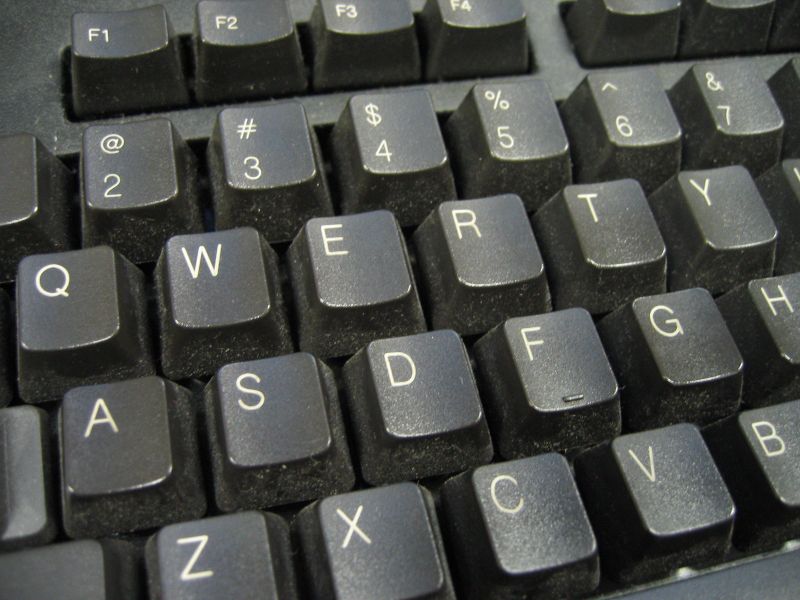
The usual story says QWERTY stopped typebars jamming. A 2011 Kyoto University paper traces the layout to the needs of telegraph operators.
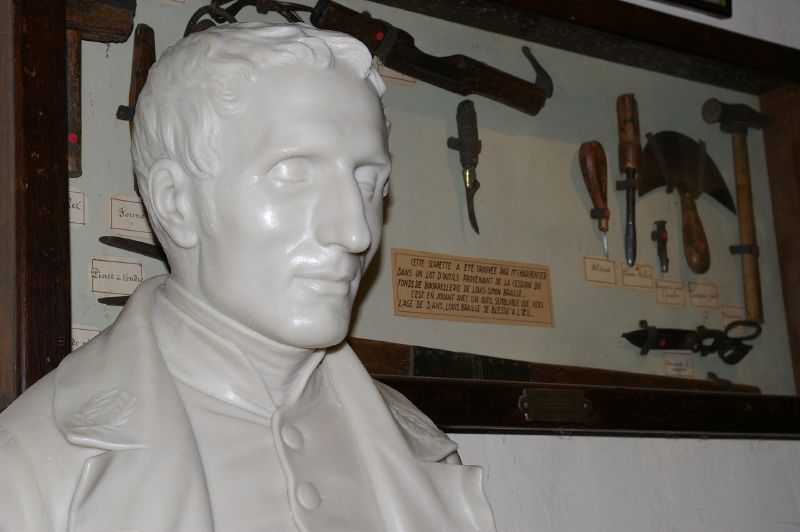
At 15, Braille reworked a soldier's code of raised dots into a six-dot cell blind people could read and write. He died before it spread widely.
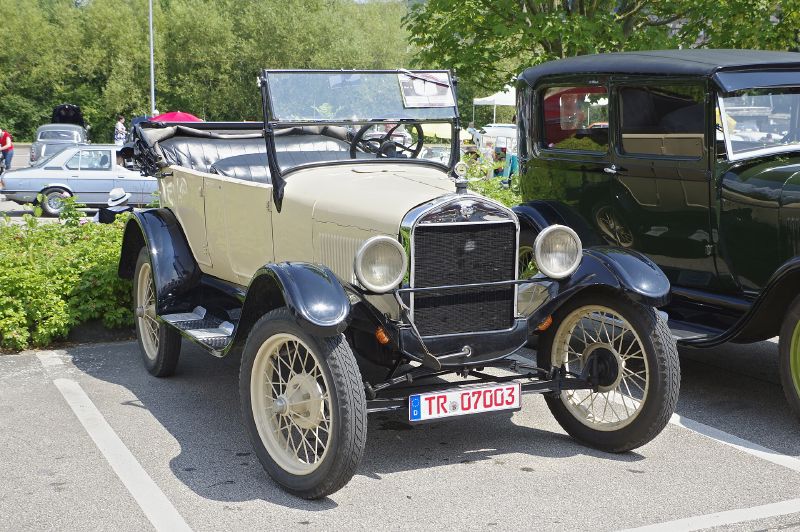
Ford cut assembly from twelve and a half hours to about 90 minutes in 1913. One car design, identical parts and 84 single-step jobs made it possible.
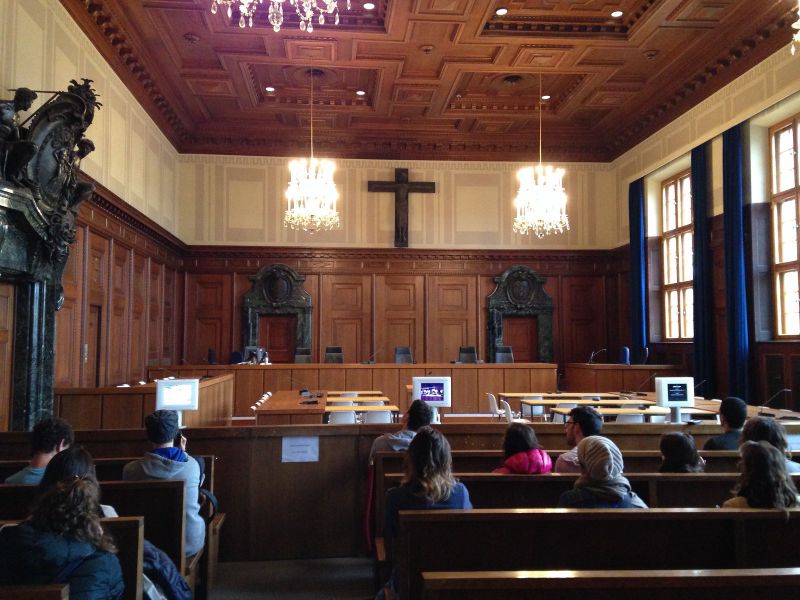
A system used at a 1927 labour conference ended up carrying Nuremberg's war-crimes trial live, in four languages at once.
Christopher Cockerell tested his hovercraft theory with a coffee tin, a cat-food can and a vacuum cleaner, on the mud floor of his own boatyard.
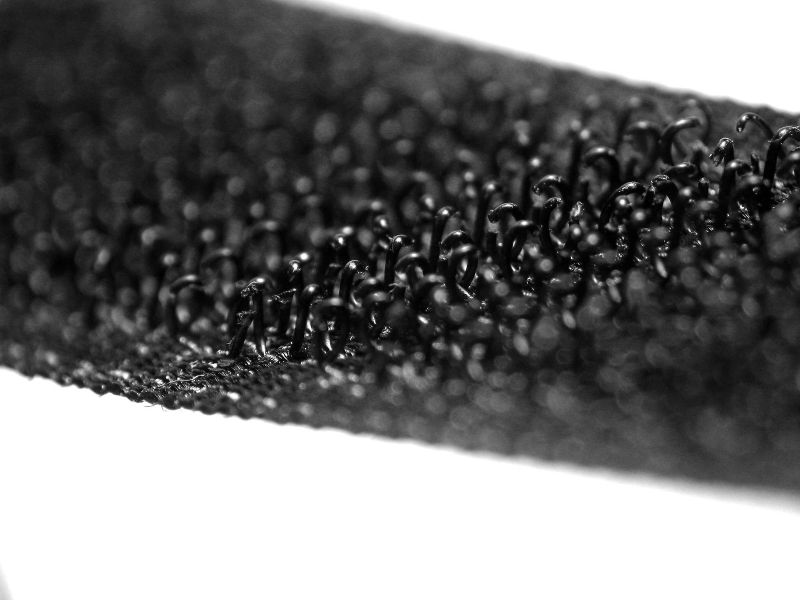
De Mestral copied the hooks on burrs he studied under a microscope. Designers turned Velcro down, and the aerospace industry became its first customer.