UNESCO stopped updating its atlas of endangered languages
UNESCO's atlas of endangered languages stopped updating in 2017, and the broader atlas meant to replace it is still not live.
A world in motion.
A moment to understand it.
Every story tagged #language.
UNESCO's atlas of endangered languages stopped updating in 2017, and the broader atlas meant to replace it is still not live.
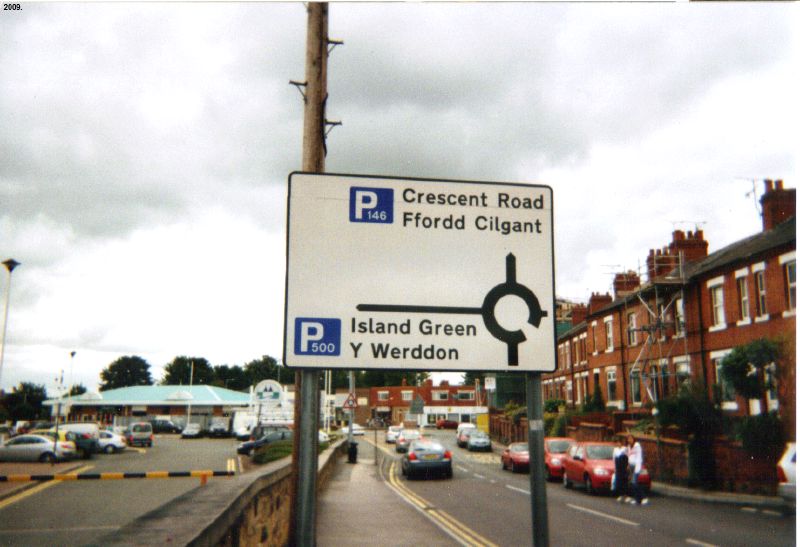
Cornish had shrunk to a handful of speakers by the 1700s. A 1904 handbook began its revival, and it now has official UK backing under a European charter.
Ainu had about 15,000 speakers in 1870 and 350 by 1917. Japanese policy nearly ended it. Laws, classes, radio and now AI are trying to bring it back.
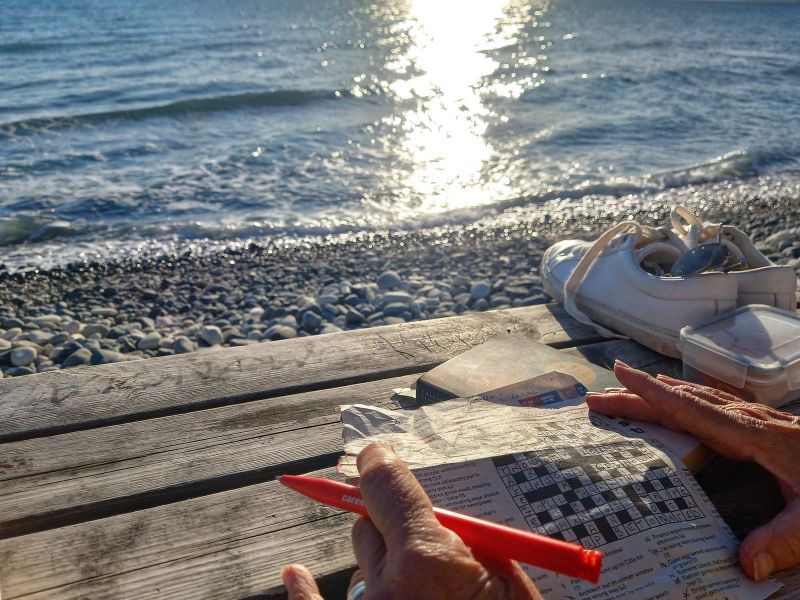
A typical cryptic crossword clue is a straight definition and a wordplay puzzle folded into the same sentence, each pointing at the same answer.
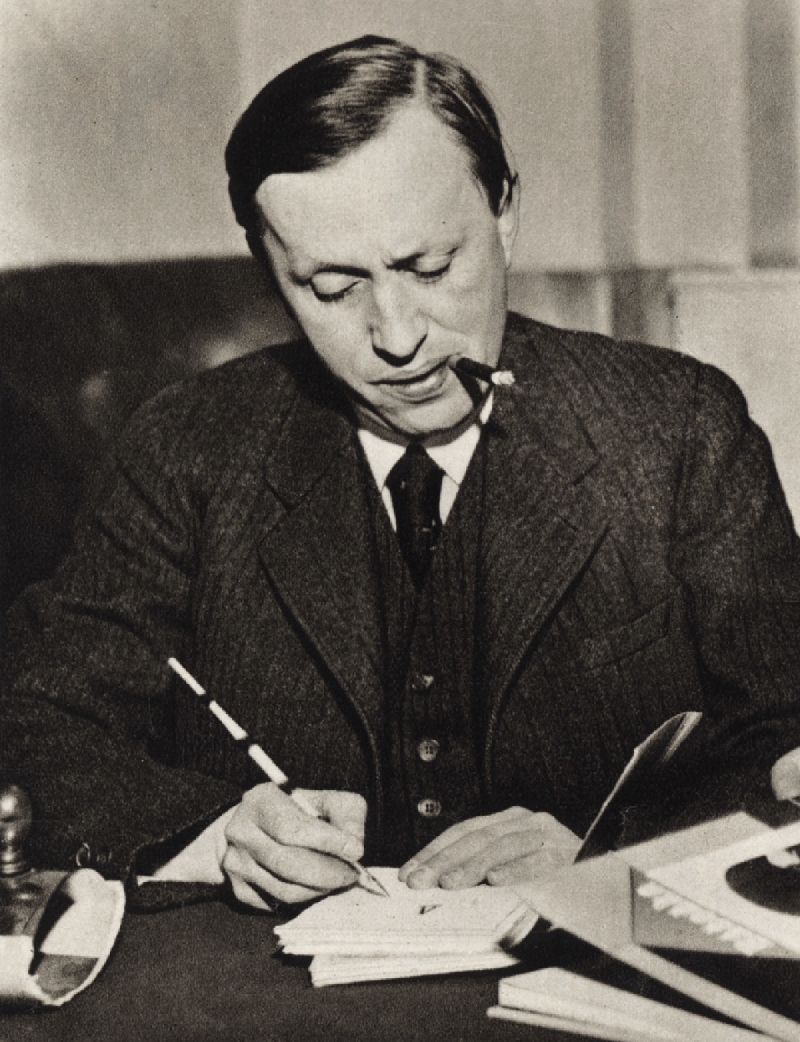
Karel Čapek's 1921 play R.U.R. made the word 'robot' famous, but his brother Josef, a painter, is the one who coined it.
A newsroom's style guide fixes spelling, capitals and terms in advance, so writers stop arguing mid-deadline and readers see one voice.
For nearly 2,000 years Hebrew had no native speakers. Eliezer Ben Yehuda, and children taught in Hebrew-only classes, made it a mother tongue again.
A UK network asks if a language still needs a settled community, home use, job value and state funding. A UNESCO seminar urged cooperation and steady funding.
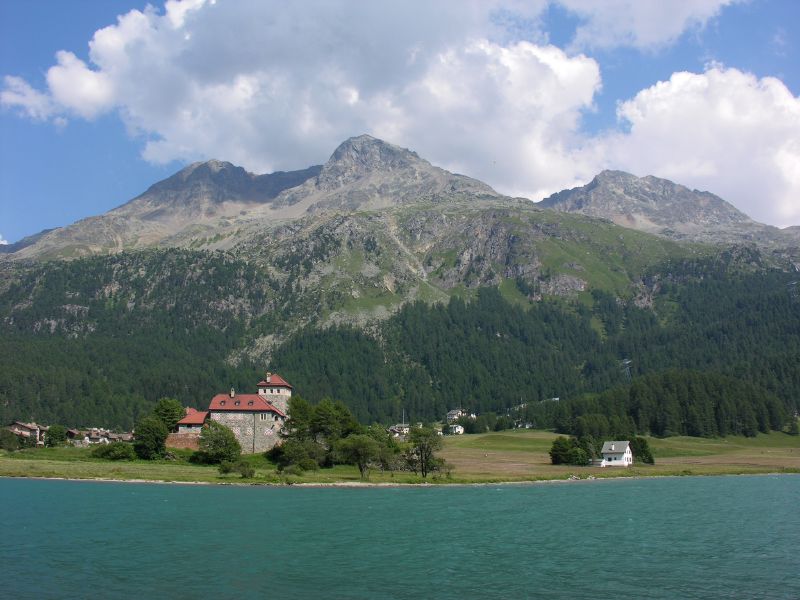
Switzerland has four national languages. In Graubünden's isolated valleys, Romansh split into five dialects, and it has since lost half its speakers.
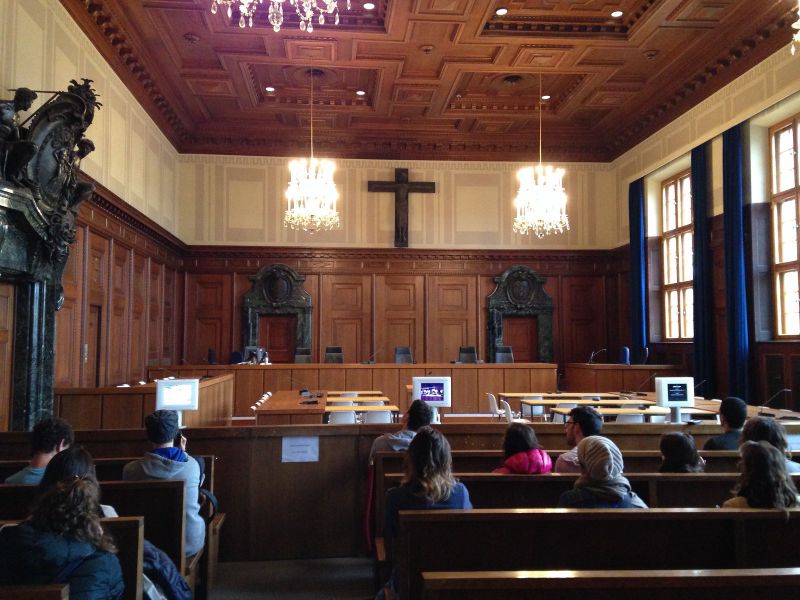
A system used at a 1927 labour conference ended up carrying Nuremberg's war-crimes trial live, in four languages at once.