UNESCO stopped updating its atlas of endangered languages
UNESCO's atlas of endangered languages stopped updating in 2017, and the broader atlas meant to replace it is still not live.
A world in motion.
A moment to understand it.
Every story tagged #linguistics.
UNESCO's atlas of endangered languages stopped updating in 2017, and the broader atlas meant to replace it is still not live.
Perceptual narrowing starts at about six months, vowels first. By a first birthday, a baby tells apart mainly the sounds of the language spoken at home.
For nearly 2,000 years Hebrew had no native speakers. Eliezer Ben Yehuda, and children taught in Hebrew-only classes, made it a mother tongue again.
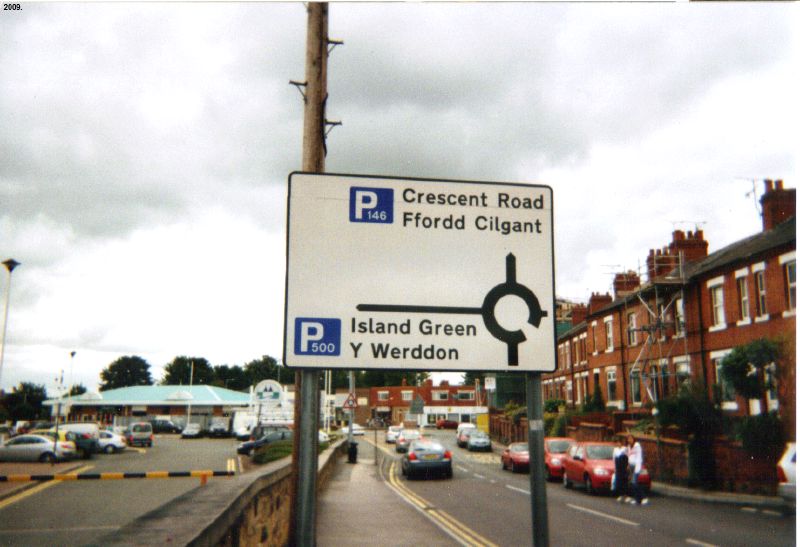
A UK network asks if a language still needs a settled community, home use, job value and state funding. A UNESCO seminar urged cooperation and steady funding.
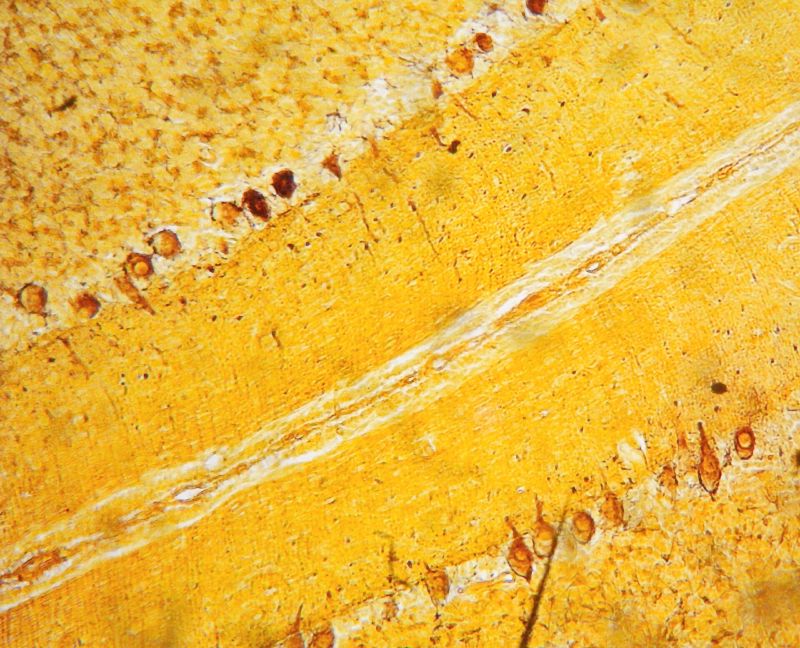
A Georgetown study found more grey matter in executive-control regions of Spanish-English speakers. Bilinguals of sign and speech showed no such gain.
A priests' decree of 196 BC, carved in three scripts, let Jean-François Champollion read hieroglyphs in 1822. Thomas Young had laid the groundwork.
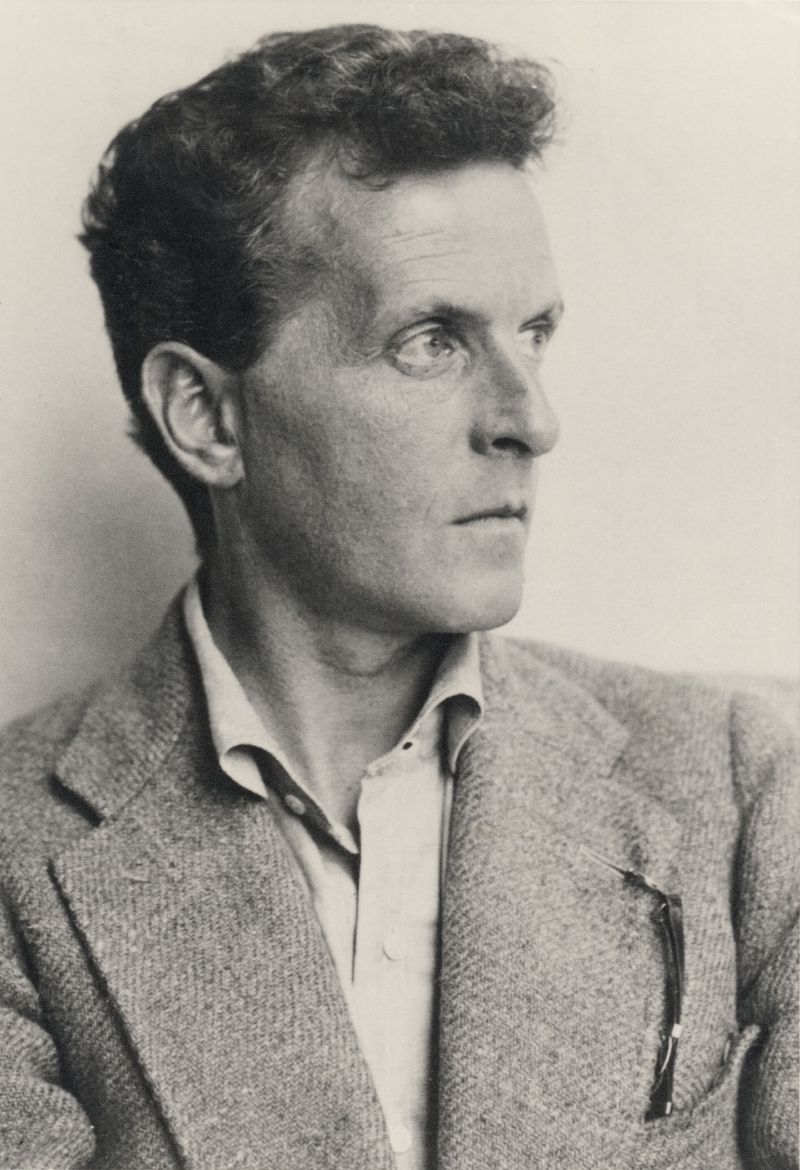
Wittgenstein argued a language only one person could understand fails, because nothing outside that person could catch a wrong use of a word.