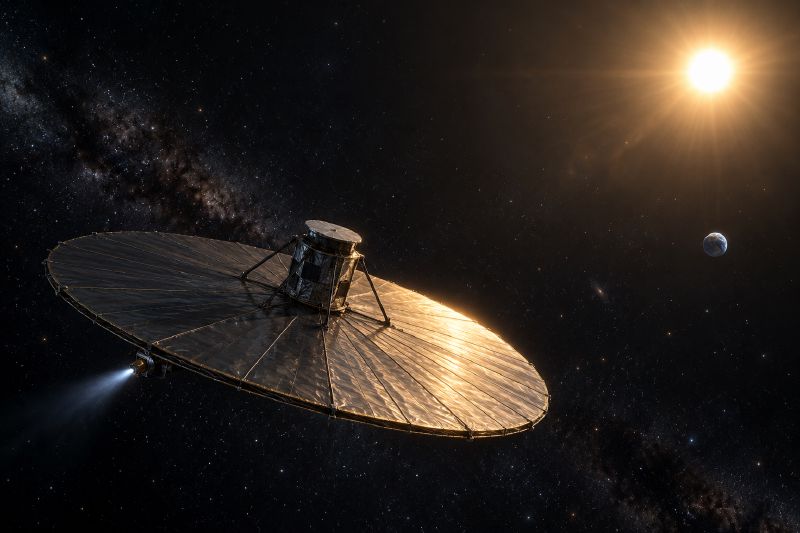
Gaia, parked at L2, still fired thrusters to stay put
At a Lagrange point the pulls of two bodies balance, so a probe stays near it on little fuel. Gaia's controllers still planned a correcting burn every month.
A world in motion.
A moment to understand it.
Every story tagged #space-exploration.
At a Lagrange point the pulls of two bodies balance, so a probe stays near it on little fuel. Gaia's controllers still planned a correcting burn every month.
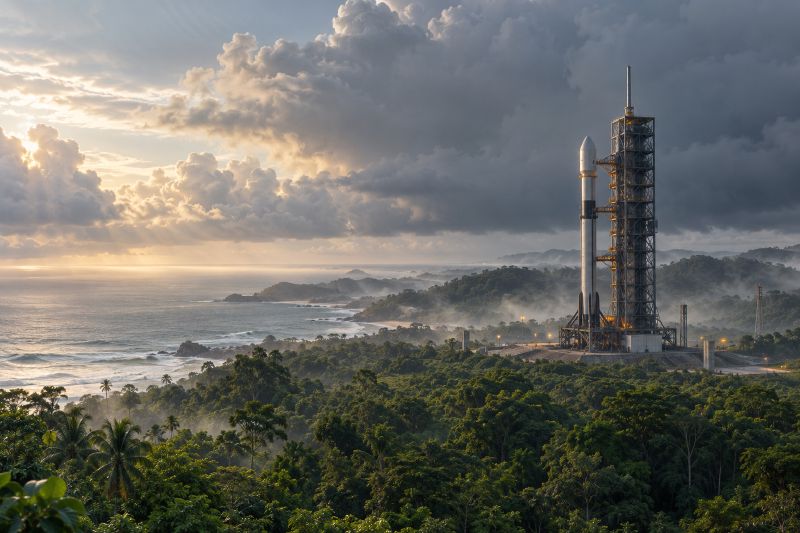
France picked Kourou in French Guiana in 1964 from 14 sites. Near the equator, rockets gain 460 metres a second from Earth's spin, and the sea is downrange.
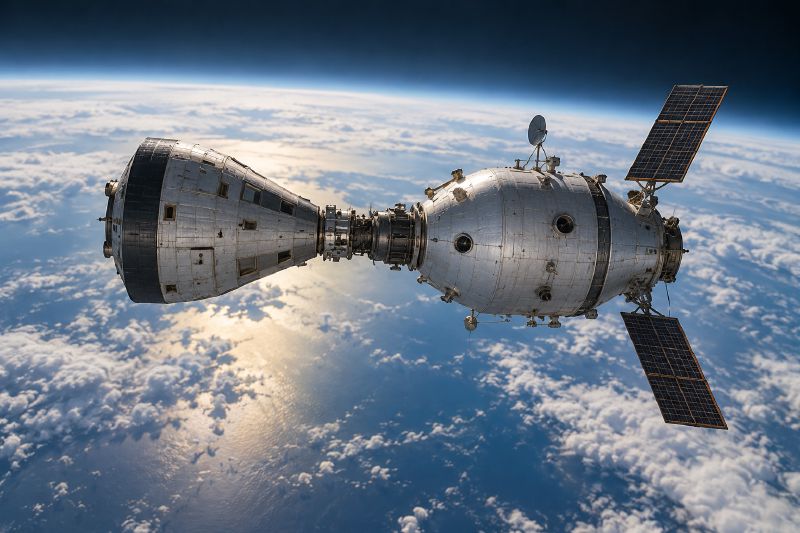
On July 17, 1975, an American Apollo and a Soviet Soyuz docked in orbit. Years of thawing relations, language lessons and a shared hatch made it happen.
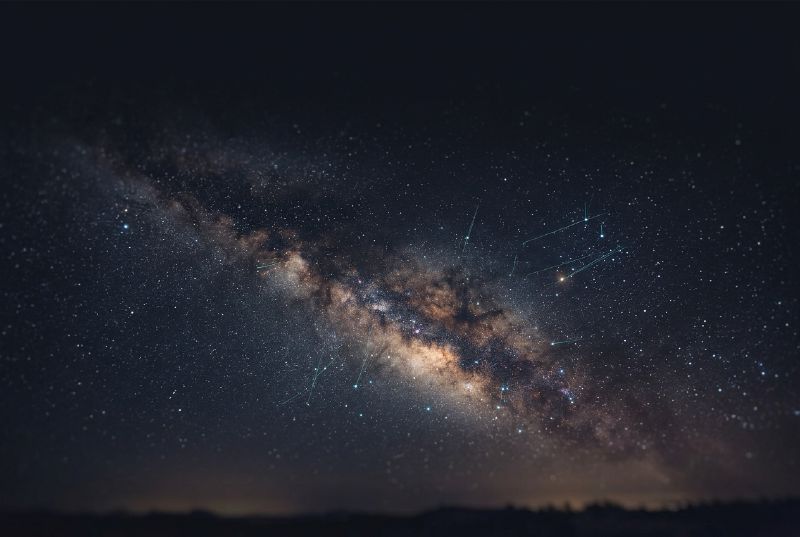
Gaia measured the position, distance, motion, brightness, and colour of two billion stars, over more than a decade of observing.
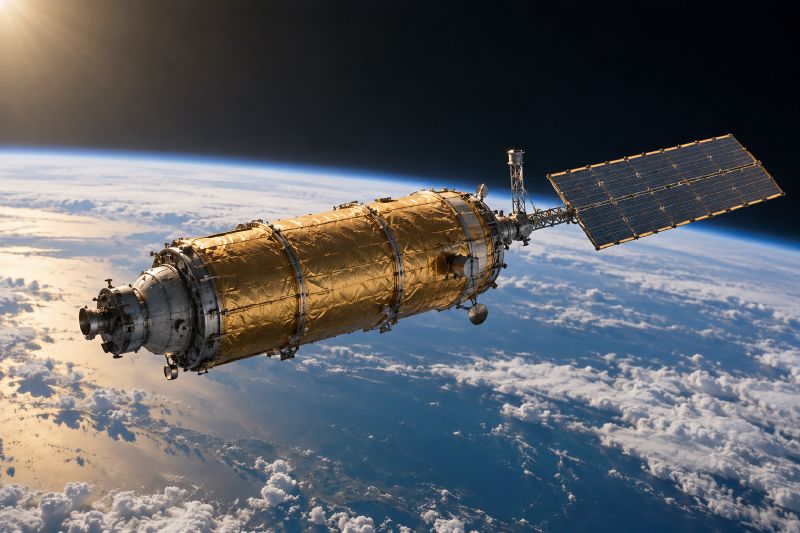
NASA built Skylab from a leftover Saturn upper stage for three crews. About 63 seconds into launch, its shield tore away and took a solar array with it.
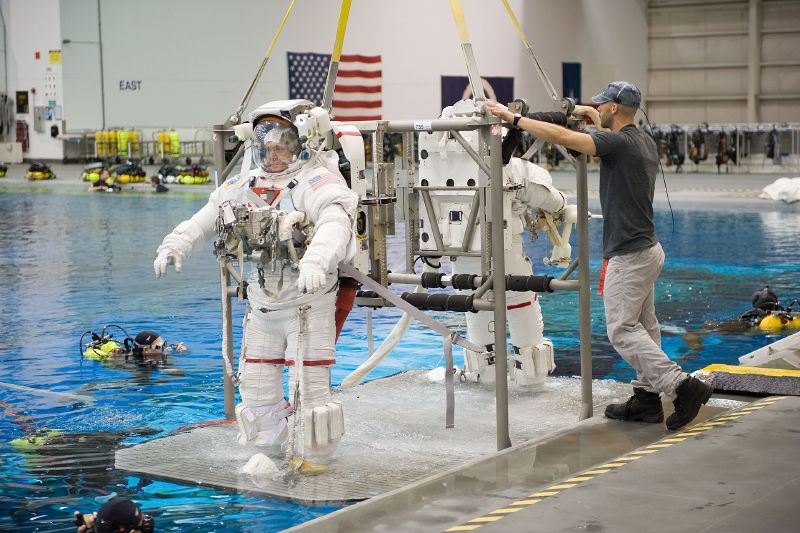
Astronauts rehearse a spacewalk underwater for about seven hours per hour outside, then spend the night before in an airlock adjusting to suit pressure.
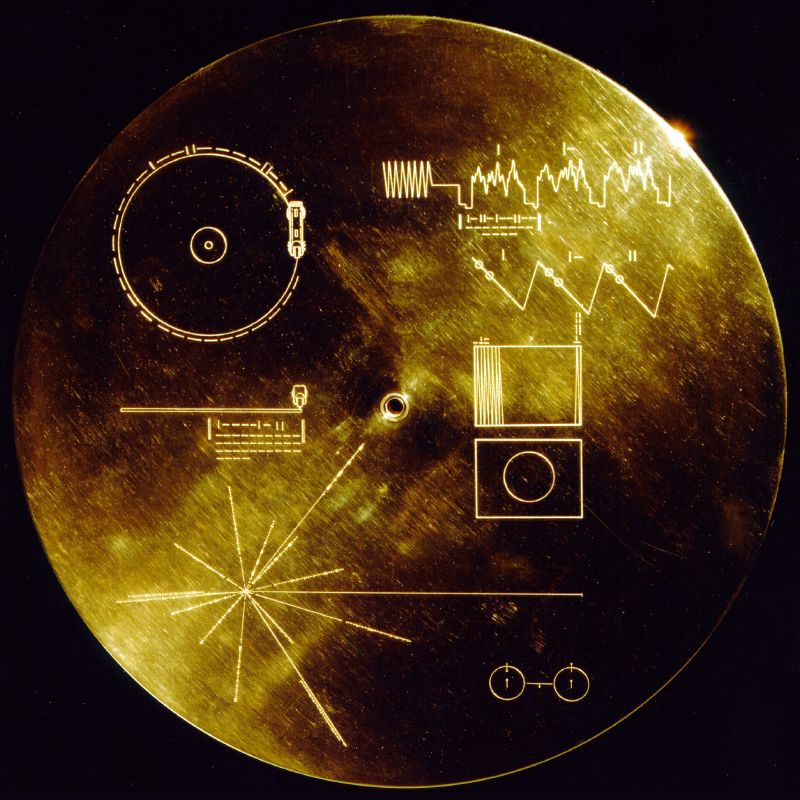
Carl Sagan's committee had six weeks to choose the sounds, images and music that speak for Earth on Voyager's Golden Record.
In 1945 Arthur C. Clarke proposed relay satellites in geostationary orbit. The first reached that orbit in 1964, and he never tried to patent it.
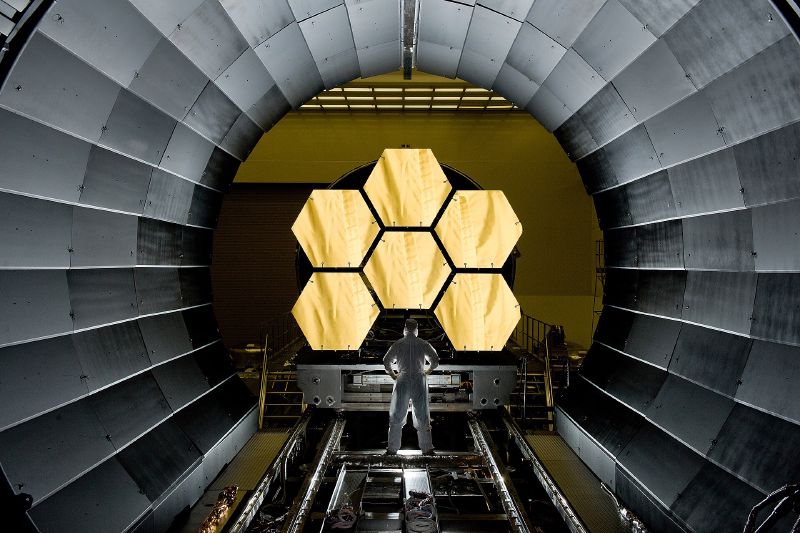
Webb's 6.5-metre mirror and infrared cameras see light Hubble could not. It found galaxies near Milky Way size sooner than standard models allow.
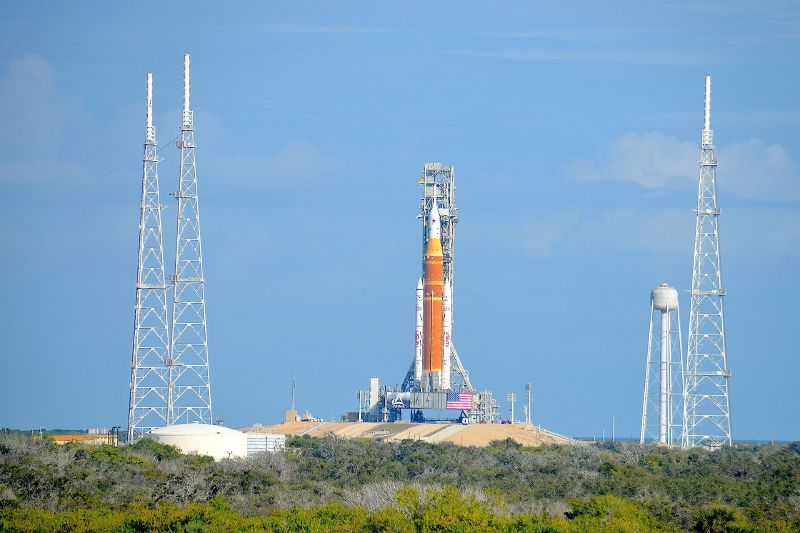
Four astronauts looped around the Moon in April 2026 on Artemis II, the first crewed flight past low Earth orbit since Apollo ended in 1972.