Norway owns Svalbard, but a 1920 treaty lets others mine it
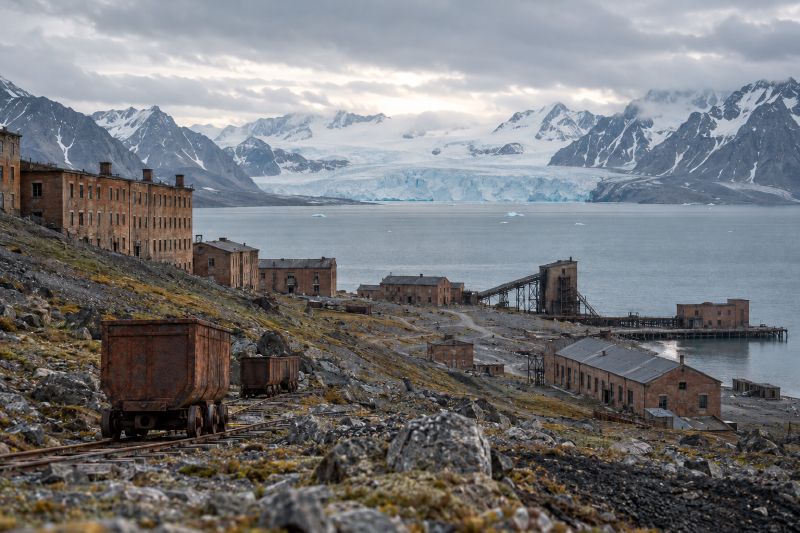
The 1920 Svalbard Treaty gave Norway sovereignty over the Arctic islands while letting citizens of every signatory live, fish and mine there on equal terms.
A world in motion.
A moment to understand it.
Every story tagged #treaties.
The 1920 Svalbard Treaty gave Norway sovereignty over the Arctic islands while letting citizens of every signatory live, fish and mine there on equal terms.
The 1968 Non-Proliferation Treaty recognised five nuclear-weapon states and asked everyone else to go without. The deal rested on a promise to disarm.
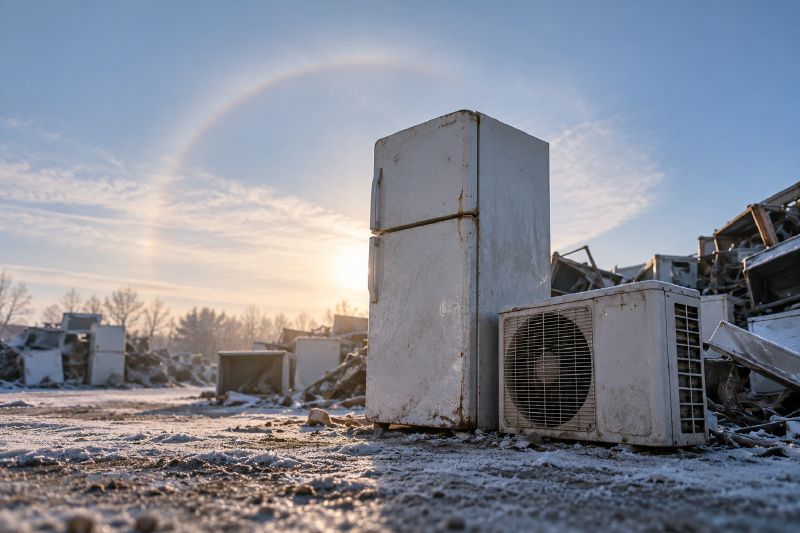
The 1987 Montreal Protocol cut the chlorine reaching the stratosphere and put the ozone layer on course to heal by mid-century, by UN assessment.
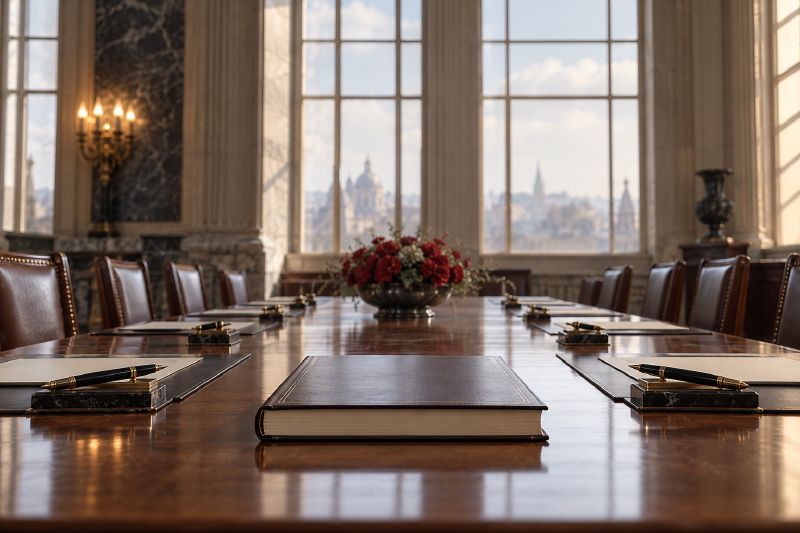
The 1961 Vienna Convention wrote down 200 years of custom, upheld by reciprocity. Its immunity rule saw PC Yvonne Fletcher's killers expelled, not tried.
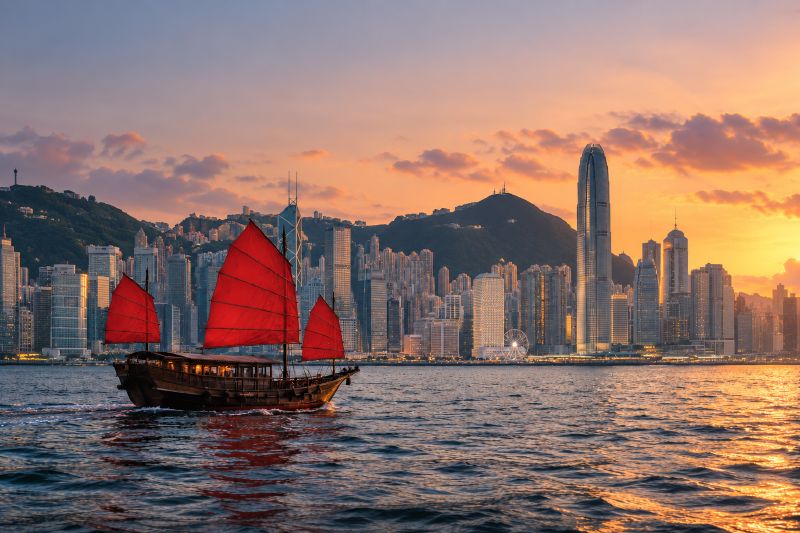
Britain says China seriously breached the 1984 treaty by removing bookseller Lee Po in 2015. Beijing says one country, two systems could outlast 2047.
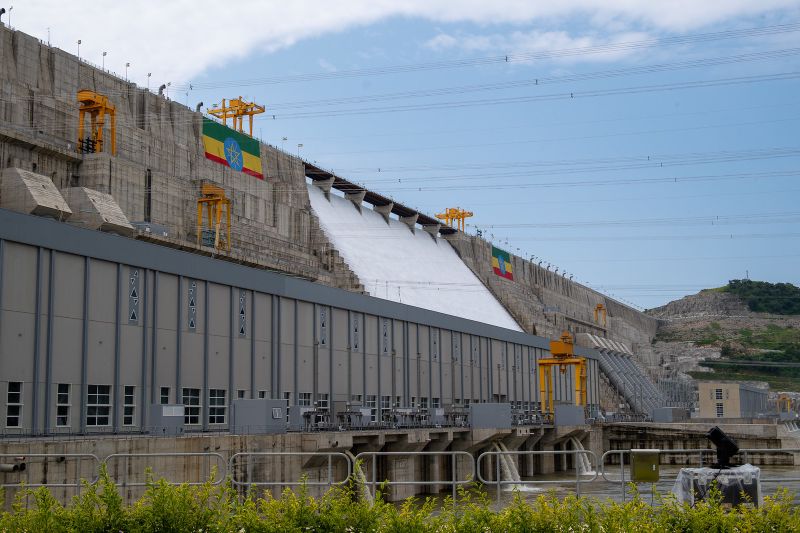
Ethiopia launched its Nile dam in 2025 with no deal on running it. Egypt cites 1929 and 1959 treaties giving it a Nile veto, which Ethiopia never signed.
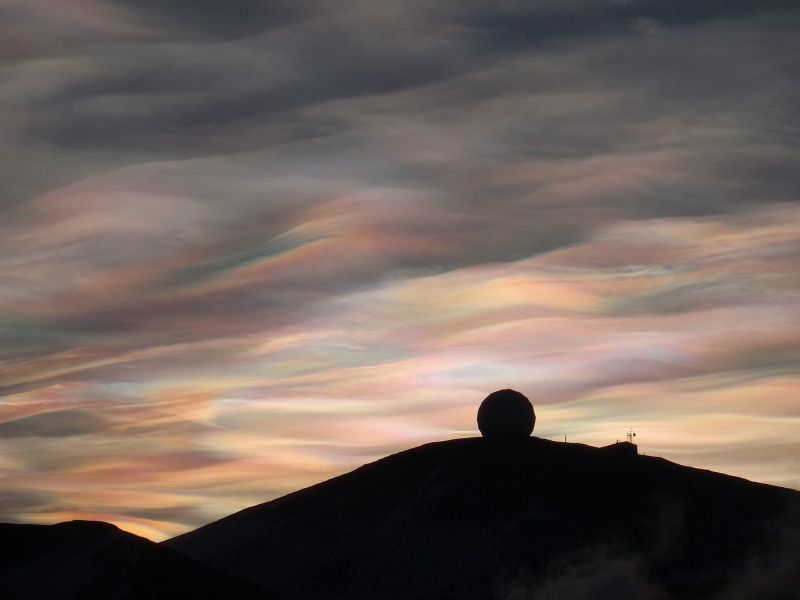
Scientists confirmed an ozone hole above Antarctica in 1985 and linked it to CFCs. In 1987, nations signed the Montreal Protocol to cut them.
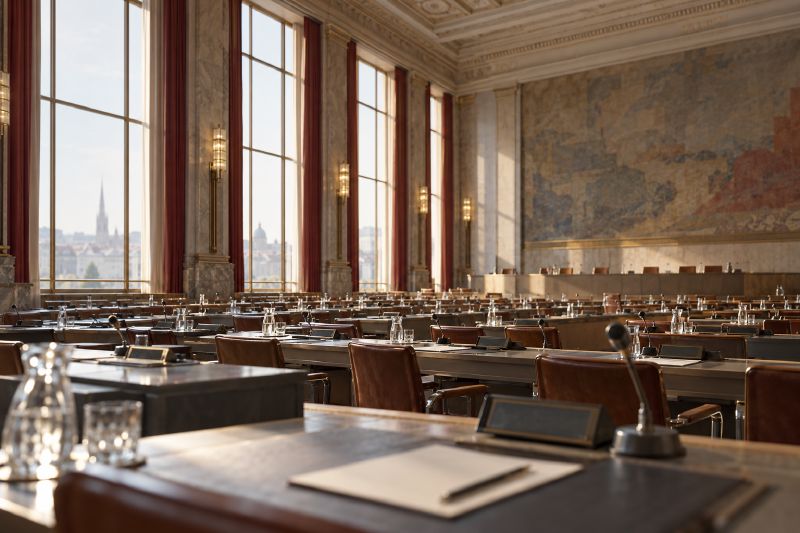
The US Congress never ratified a planned trade organisation, so a 1947 treaty ran world trade until the WTO replaced it in 1995.
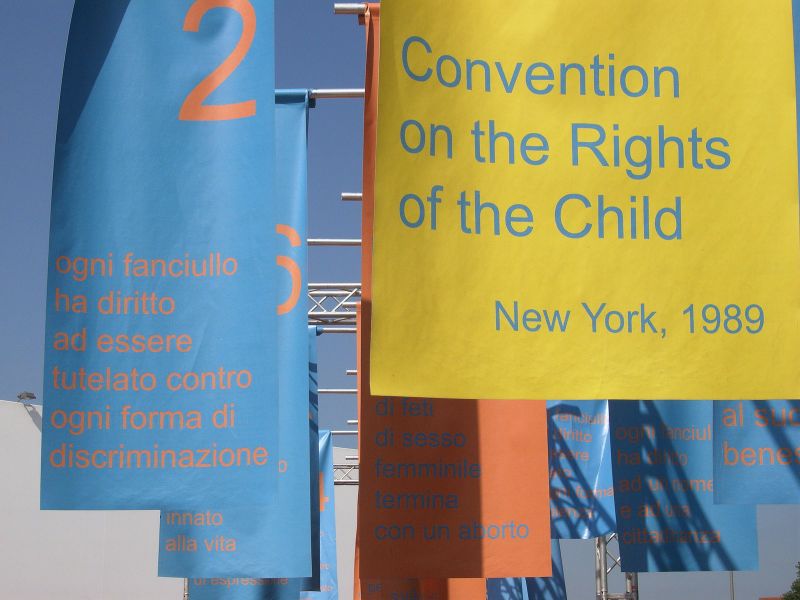
The UN Convention on the Rights of the Child sets out what every under-18 is owed, from a name to contact with both parents. Scotland made it law in 2024.