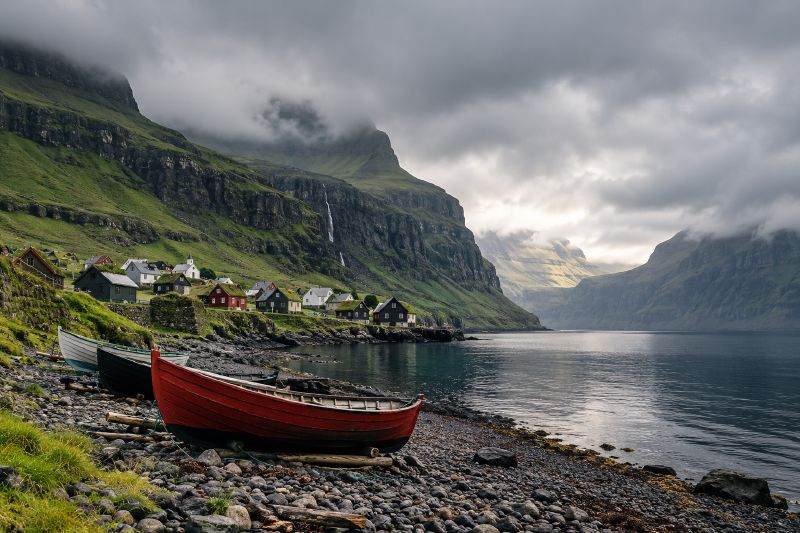
The world's longest-running whale hunt still feeds the Faroes
The Faroese defend the grind as food, shared free and taken from a large population. Critics point to mercury, missing foetuses and a hunt with no quota.
A world in motion.
A moment to understand it.
Every story tagged #wildlife.
The Faroese defend the grind as food, shared free and taken from a large population. Critics point to mercury, missing foetuses and a hunt with no quota.
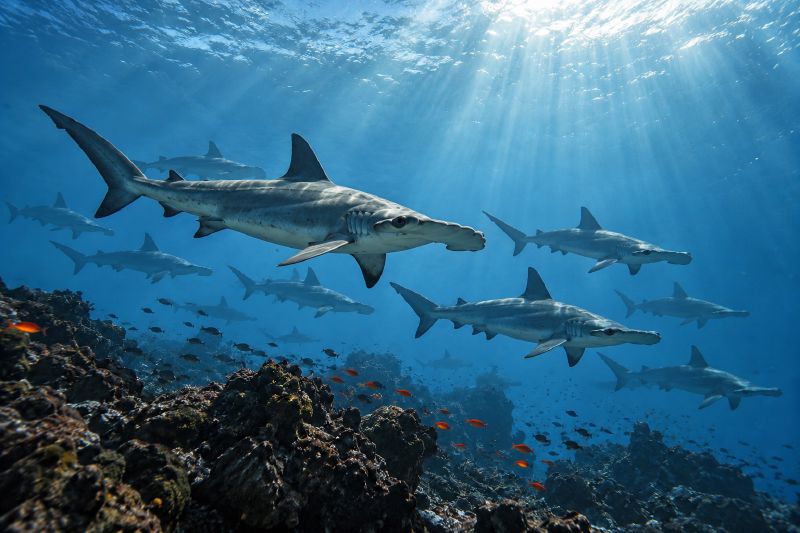
Ecuador added 60,000 sq km to the Galápagos Marine Reserve to protect a migration route to Costa Rica's Cocos Island, and to push back fishing at the edge.
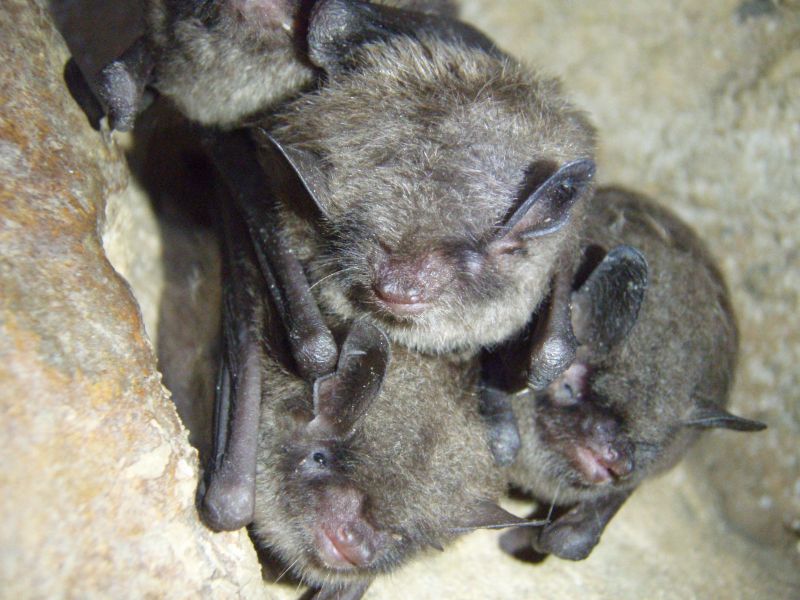
Thousands of bats leave a cave at once and almost never collide. Tracking studies show they spread out and switch to short, quiet, high-pitched calls.
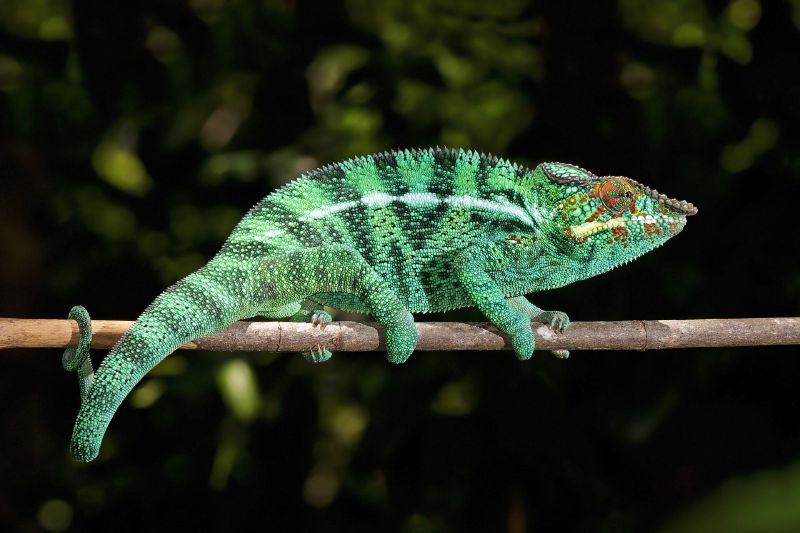
A chameleon shifts colour by rearranging crystals in its skin, not by mixing pigment, and the switch is mostly about signalling, not hiding.
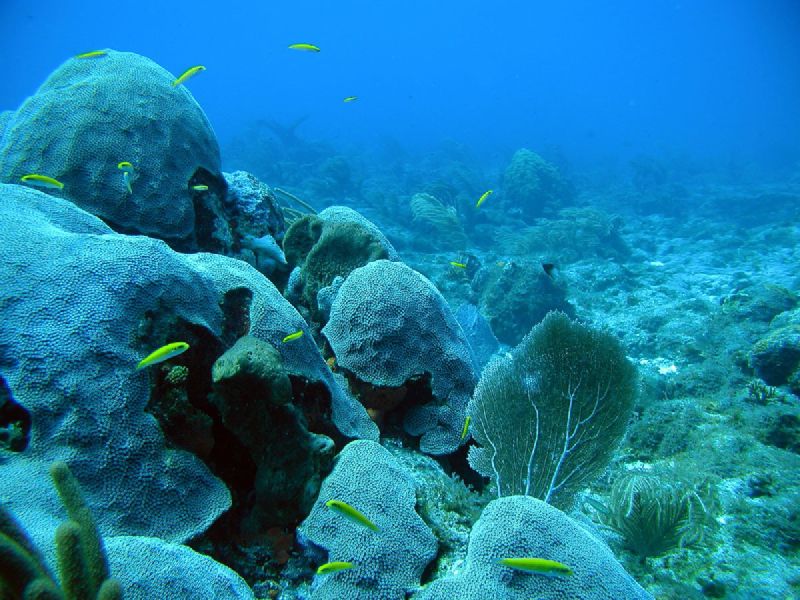
A coral reef is limestone laid down by tiny animals. Each polyp builds a skeleton from calcium carbonate, and the skeleton stays in the reef after it dies.
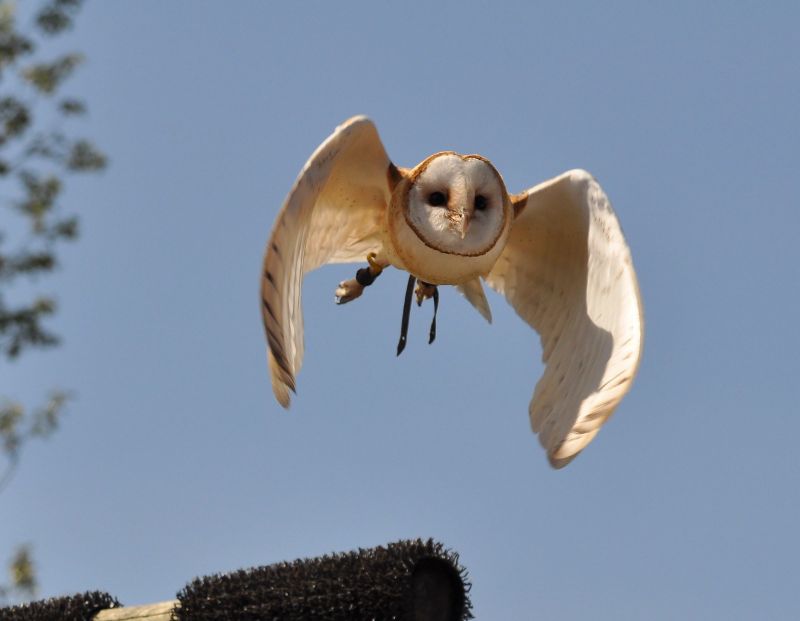
A comb along the leading edge, a velvet nap on top and a soft fringe at the back break up the noise an owl's wing would otherwise make.
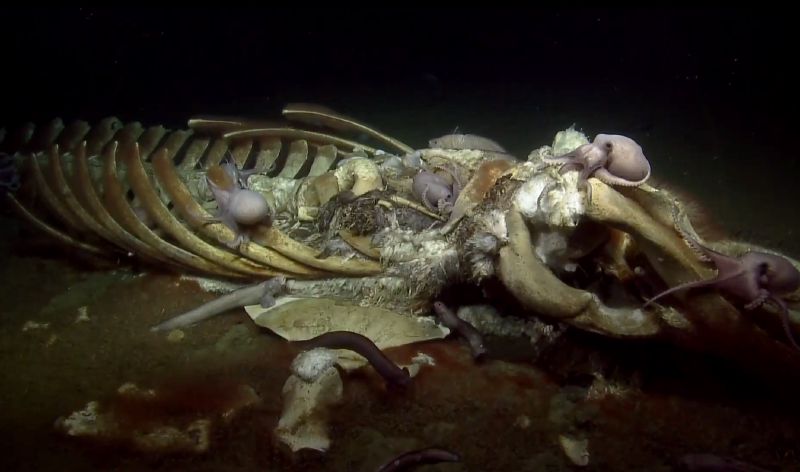
Sharks, hagfish and bone-eating worms work through a sunken whale for 30 years or more. A stranded one can explode before anyone moves it.
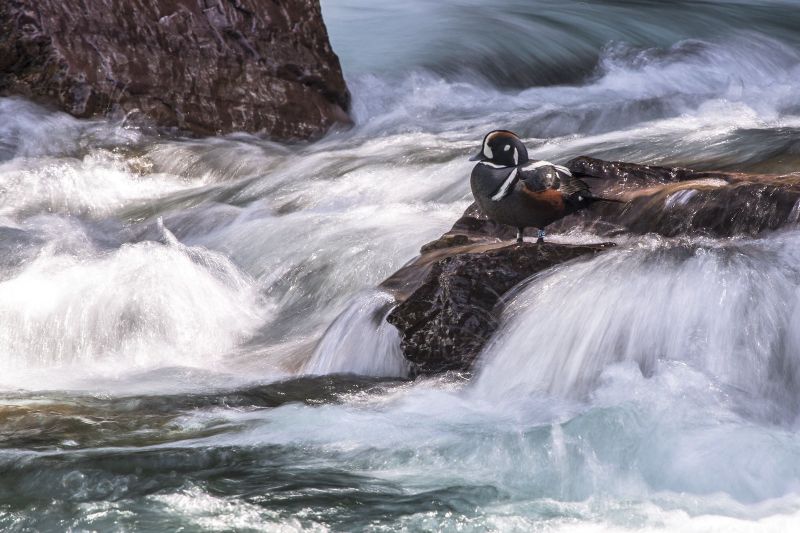
A duck's feet run close to the temperature of the ice. Blood vessels in its legs swap heat, so the body stays warm and the feet never freeze solid.
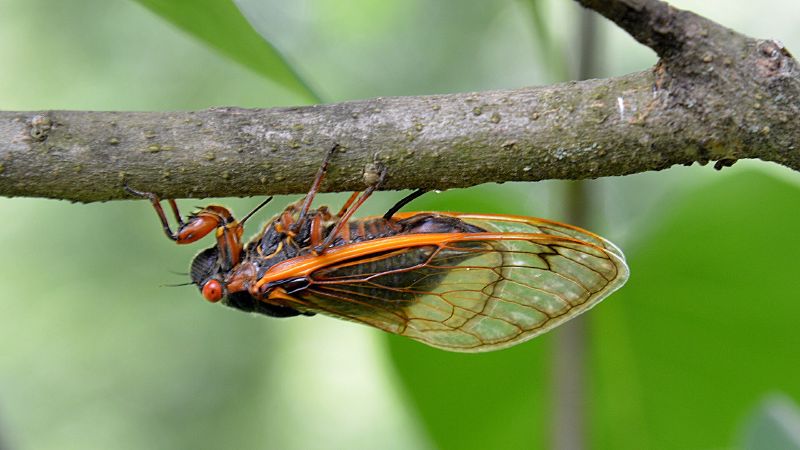
Some periodical cicadas spend 17 years feeding on tree roots, then surface together once the soil warms. Why they keep such long cycles is still unclear.
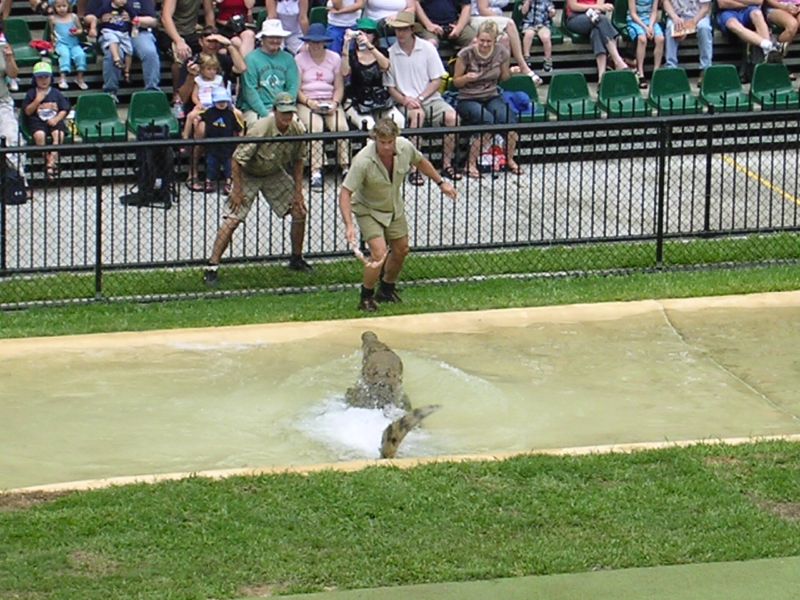
Twenty years after the Crocodile Hunter died, his daughter Bindi said his legacy was love, not only conservation. His show reached more than 100 countries.