Big British employers must publish their gender pay gap
Employers in Britain with 250 or more staff must file and publish their gender pay gap each year. From 2027 they must also publish an action plan.
A world in motion.
A moment to understand it.
Every story tagged #work.
Employers in Britain with 250 or more staff must file and publish their gender pay gap each year. From 2027 they must also publish an action plan.
Three US university departments explain the field behind batteries and artificial skin. Its engineers test materials, pick them, and work out why parts fail.
Frederick Taylor timed factory tasks to fractions of a minute and turned the results into scientific management, a system that made him famous and hated.
Caste still sorts India's job market and its marriages: a surname reveals caste to employers, and inter-caste marriage stays rare.
Eiffel Tower staff struck for a day after managers hid female colleagues during a Hindu group's visit, and city officials have opened an inquiry.
Imposter syndrome is the belief that your success is undeserved. It is not a diagnosis, and research suggests around 70% of adults feel it at some point.
UK employers must put staff aged 22 or over who earn at least £10,000 into a workplace pension. You can opt out, but you are re-enrolled every three years.
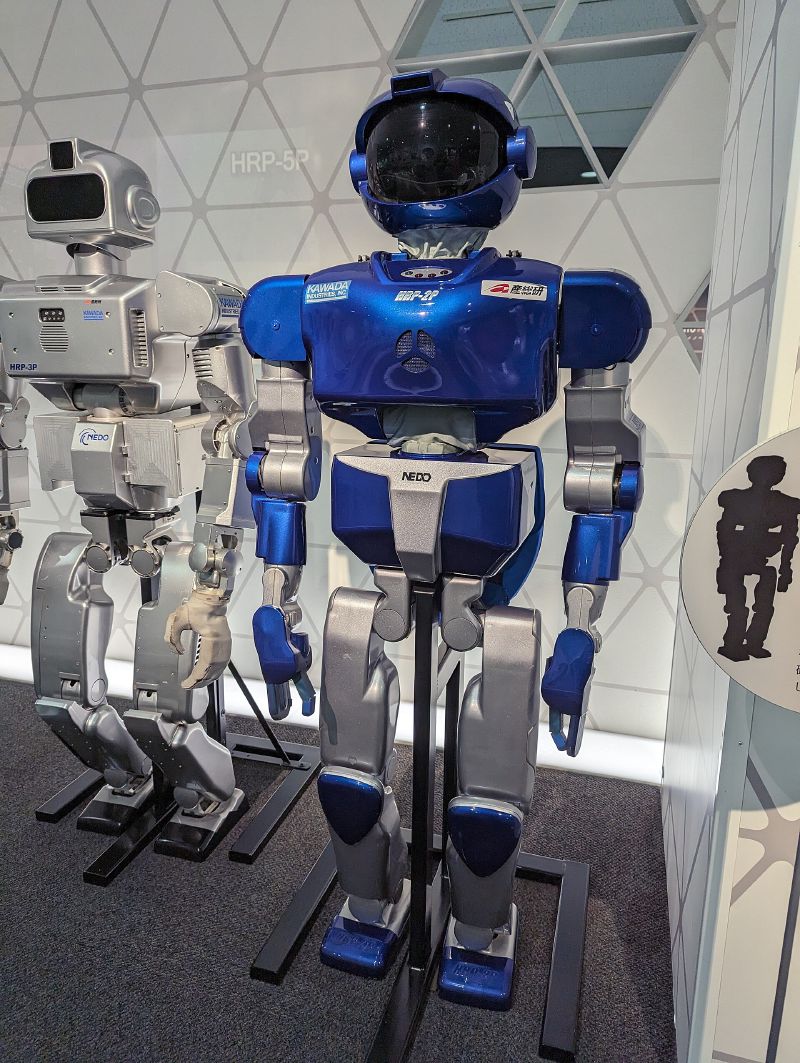
A humanoid must balance on two legs, match a human hand and learn from demonstration. Figure and Tesla are trying, and Rodney Brooks sees a bubble.
A CIPD survey of more than 2,000 employers finds one in six expect AI to shrink their workforce next year, against 6% who expect it to grow.
A Harvard Law School centre reports AI cutting junior legal roles, yet the US Bureau of Labor Statistics still forecasts 4% growth in lawyer jobs.
Irish Garda vetting has no fixed expiry, but a new role, a return to study or a three-year policy can each mean vetting again. Here is how it works.
MetroNaps pods costing about $13,000 each spread from Google and Silicon Valley to PwC, KPMG and the law firm White & Case.
France's working week fell to 35 hours under the loi Aubry. Its real effect was to make firms renegotiate contracts around flexible, annualised hours.
Job postings for generative AI skills rose 1,848% in 2023, and companies short of engineers to hire are retraining the staff they already have.